

World Bank Sees Path to Ending Poverty in the Philippines
The report notes that around 61% of Filipinos face high exposure to climate-related disasters, making economic security even more difficult to maintain.
- Country:
- Philippines
The Philippines has made remarkable progress in reducing poverty over the past decade, yet millions of families still live one setback away from financial hardship, according to a new World Bank report. The report, Building the Filipino Middle Class: Towards Resilient Futures and Poverty Eradication, highlights how poverty fell from 23.5% in 2015 to 15.5% in 2023. Income inequality has also improved significantly, with the country's Gini coefficient dropping below 40 for the first time in four decades.
These gains have improved the lives of millions of Filipinos. The World Bank warns that much of this progress remains fragile. Nearly 28% of the population is still vulnerable to falling back into poverty, while the secure middle class accounts for only about one-quarter of the country's population and has shown little growth since 2018. Many households earn enough to remain above the poverty line but still lack the financial security needed to withstand unexpected shocks.
Natural Disasters and Financial Risks Threaten Gains
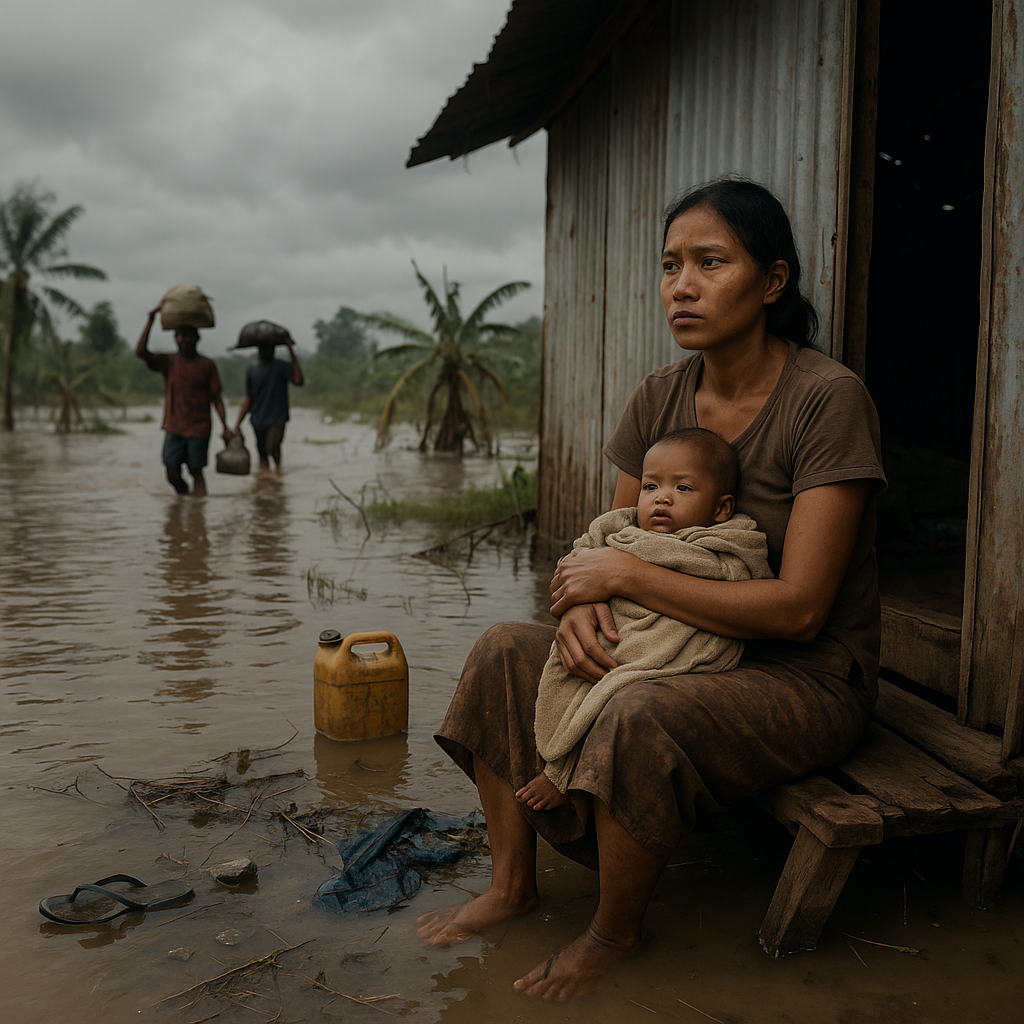
For many families, a serious illness, job loss or major weather event can quickly erase years of progress. The report notes that around 61% of Filipinos face high exposure to climate-related disasters, making economic security even more difficult to maintain. Limited savings and low insurance coverage leave many households with few options when emergencies strike. Typhoons, flooding and other extreme weather events continue to place pressure on communities already living on tight budgets.
The World Bank's modelling examined two possible futures for the country. Under current trends, poverty could decline to 6% by 2040, while the secure middle class could grow to 43% of the population. A more ambitious reform path paints a much brighter picture. By combining economic growth, job creation, stronger social protection and resilience measures, poverty could fall to just 2.9% by 2040, while the middle class could expand to 55% of the population.
Better Jobs, Stronger Protection and Improved Services
The report identifies three major areas where reforms could have the greatest impact; the first involves creating better jobs. Only one in three workers currently contributes to social security programmes, leaving many people without protection during unemployment or retirement. Expanding access to formal employment and increasing support for early childhood education would help more people participate in the workforce, particularly women.
The second priority focuses on strengthening resilience. The World Bank recommends expanding and modernising the Philippines' 4Ps programme, one of the country's most successful anti-poverty initiatives. Linking benefits to inflation and extending support to more vulnerable households could provide stronger protection during difficult times. Agricultural reforms, including better insurance coverage and smarter spending, could also help stabilise food prices and improve living standards for lower-income families.
The third area centres on public services. Improvements in healthcare, education and local infrastructure remain critical for long-term poverty reduction. The report notes that some local governments struggle to fully utilise available infrastructure funding, while poorer municipalities often receive less funding per person than wealthier areas.
World Bank officials say the Philippines has already demonstrated its ability to make meaningful progress. With sustained reforms and investment in resilience, the country could move much closer to its goal of becoming a predominantly middle-class society by 2040.
ALSO READ
-
World Bank Backs Tonga’s Push for Better Jobs and Business Growth With $15M Grant
-
Clean Energy’s $2 Trillion Funding Challenge Puts People and Nature in the Spotlight
-
World Bank Approves $110 Million to Rebuild Sri Lanka’s Cyclone-Hit Roads and Lives
-
Vienna’s Vegetable Garden Shows Why Local Voices Matter in Climate Adaptation Plans
-
World Bank’s $1.5 Billion Sustainable Development Bond Draws Strong Global Demand


 Google News