

OPEC+ Grapples with Oil Supply as Geopolitical Tensions Loom
OPEC+ agrees to increase oil output targets amidst significant geopolitical challenges. Despite increased quotas, ongoing U.S.-Iran tensions hinder production, especially with obstacles like the Strait of Hormuz closure impacting supply. The UAE's departure from OPEC+ adds further complexity to an already strained situation as global oil prices fluctuate.
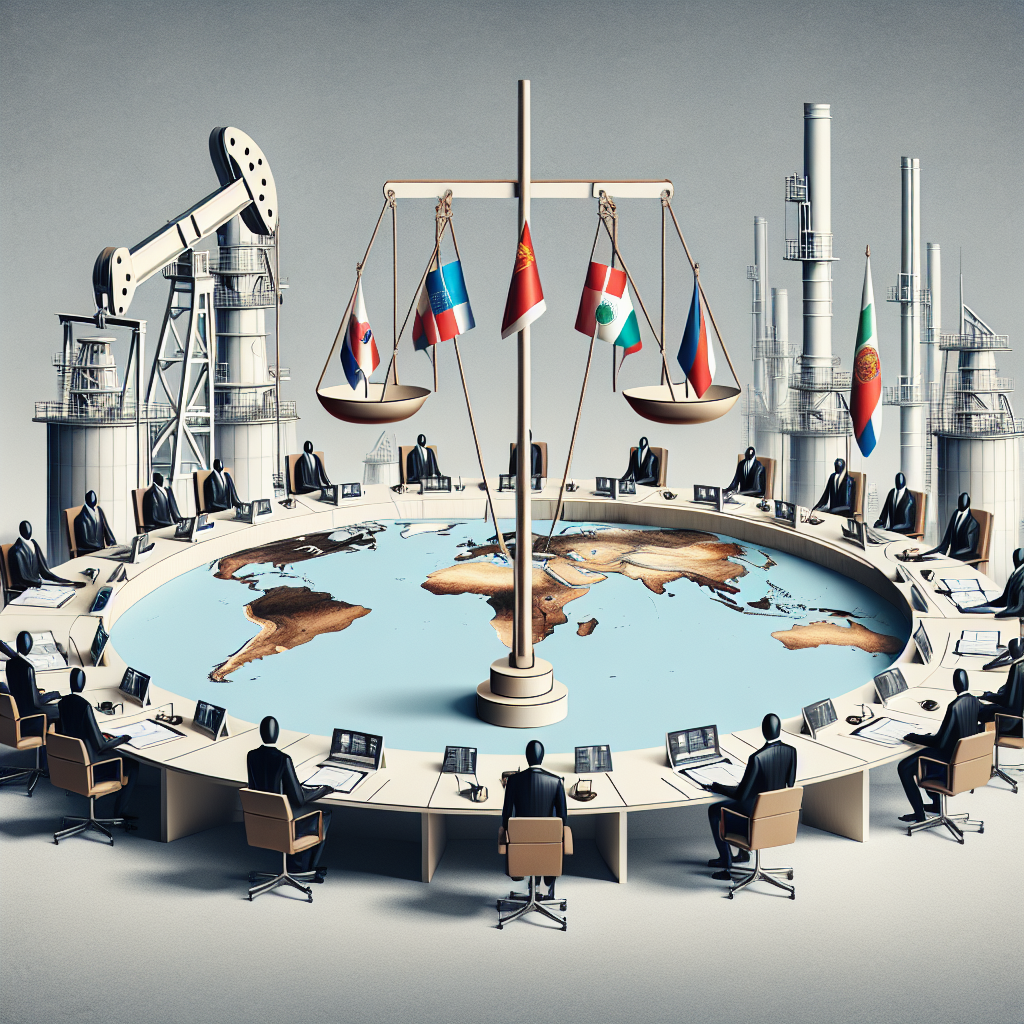
In a bold move on Sunday, OPEC+ announced a fourth consecutive increase in its oil output targets, confronting significant geopolitical challenges. Despite these efforts, the ongoing U.S.-Iran conflict hinders actual production, affecting global oil supply chains.
Key OPEC+ members, including Saudi Arabia, face difficulties fulfilling customers' demands due to closures like the Strait of Hormuz. Furthermore, the United Arab Emirates' exit from OPEC+ after decades of membership complicates the situation. Recent data reveals a steep decline in production from 42.77 million barrels per day (bpd) in February to 33.19 million bpd in April.
Although OPEC+ plans further output hikes, experts remain skeptical due to the ongoing geopolitical landscape. Oil prices reacted to the developments, with potential shifts from fears of shortages to surpluses depending on the reopening of key transit points such as the Strait of Hormuz.


 Google News