

ADB Pushes for Regional Power Grid Across Asia
ADB plans to mobilize $50 billion for the initiative by 2035, with the bank providing half of the financing.
- Country:
- Philippines
Asian Development Bank (ADB) President Masato Kanda has called for greater regional cooperation on energy as countries across Asia and the Pacific face growing pressure from rising demand, energy security concerns and global geopolitical tensions. Speaking at the opening of the Asia Clean Energy Forum (ACEF) 2026 in Manila, Kanda said recent events have highlighted how vulnerable many countries remain when it comes to energy supply and security. He warned that no nation can effectively tackle these challenges on its own and stressed the need for a more connected regional power system capable of moving electricity across borders when and where it is needed.
According to Kanda, stronger energy integration would help economies become more resilient, improve energy reliability and support long-term economic growth. He cautioned that delays in building regional energy networks could result in higher electricity costs, slower growth and missed development opportunities for millions of people. The remarks come as many countries continue to deal with volatile energy markets while balancing growing demand with climate and sustainability goals.
Rising demand puts pressure on energy systems
Energy demand across Asia and the Pacific is expected to grow dramatically over the coming years. Economic expansion, rapid urbanization and the growing use of power-intensive technologies are all contributing to the increase. One of the newest sources of demand is the rapid expansion of artificial intelligence infrastructure. Large-scale data centres that support AI technologies require enormous amounts of electricity, placing additional pressure on already stretched power systems.
At the same time, access to energy remains a challenge for many communities across the region. More than 350 million people have limited access to electricity, while over 53 million people still live without any access to power.
Recent instability in the Middle East has also exposed vulnerabilities in global energy supply chains, creating fresh concerns for countries that rely heavily on imported fuel. ADB believes these challenges require a coordinated regional response rather than isolated national solutions.
Pan-Asia Power Grid aims to transform energy trade
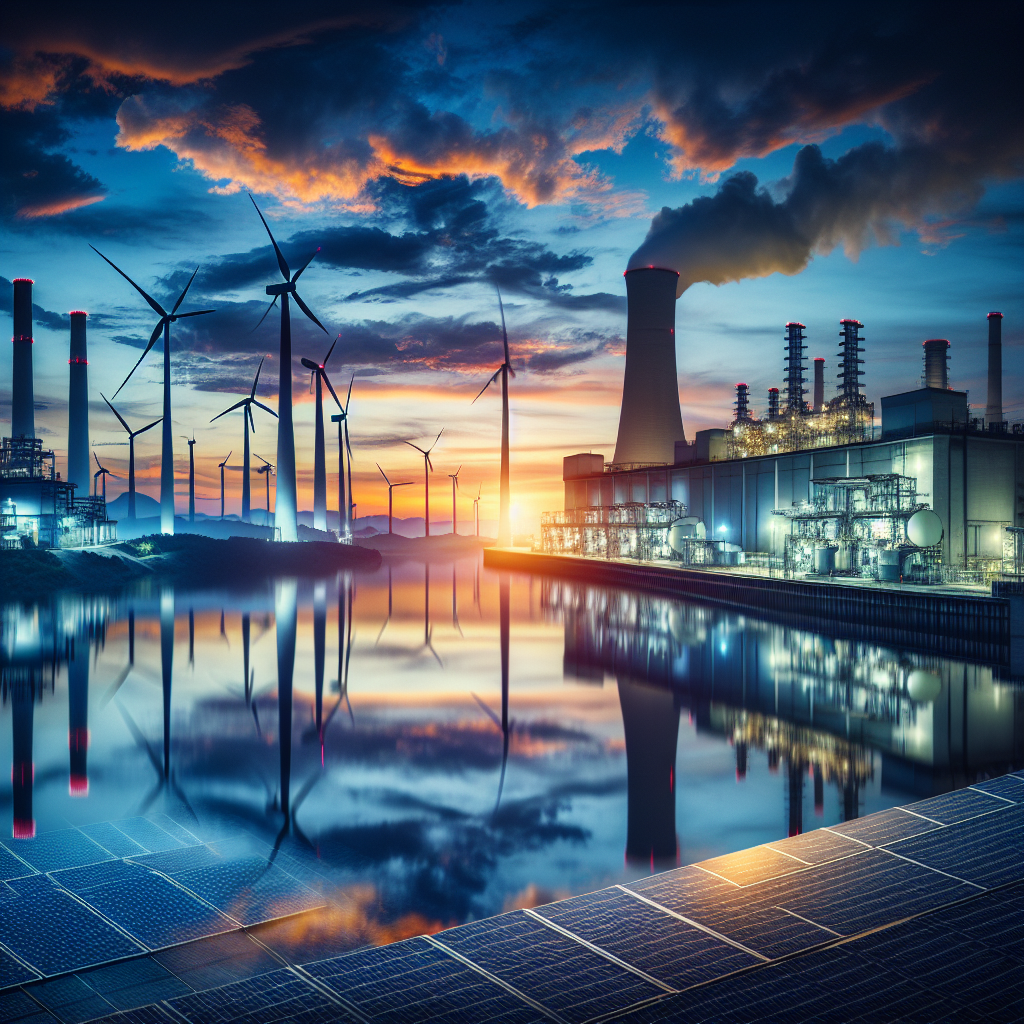
To address these issues, ADB is advancing its Pan-Asia Power Grid Initiative (PAGI), an ambitious programme designed to connect national and regional electricity networks across Asia and the Pacific.
The initiative would allow electricity to move more freely between countries, helping balance supply and demand while making greater use of renewable energy resources available across different regions.
Rather than relying primarily on small bilateral power projects, PAGI seeks to establish a larger and more integrated regional electricity market.
ADB plans to mobilize $50 billion for the initiative by 2035, with the bank providing half of the financing.
The project is expected to connect approximately 22,000 circuit-kilometres of transmission infrastructure and integrate 20 gigawatts of renewable energy into a regional grid system. Officials estimate the initiative could reduce power sector emissions by 15 per cent while creating around 840,000 jobs.
ADB has been involved in energy development across Asia and the Pacific for more than four decades, supporting projects aimed at expanding electricity access, promoting clean energy and improving energy policies.
In 2025 alone, the bank mobilized approximately $3.4 billion for energy-related projects and investments throughout the region. Officials say continued investment and regional cooperation will be critical as countries work to meet rising energy demand while building cleaner and more secure power systems.


 Google News