

Dollar Steady as Middle East Tensions & Inflation Jostle
The U.S. dollar remained steady amidst Middle East tensions and soft inflation data. Escalating U.S.-Iran conflicts typically boost dollar demand, while efforts for diplomatic solutions continue. Inflation uncertainty adds market instability as traders adjust expectations for Federal Reserve rate hikes. Brent crude prices rise, politically affecting the Canadian dollar and British pound.
- Country:
- United States
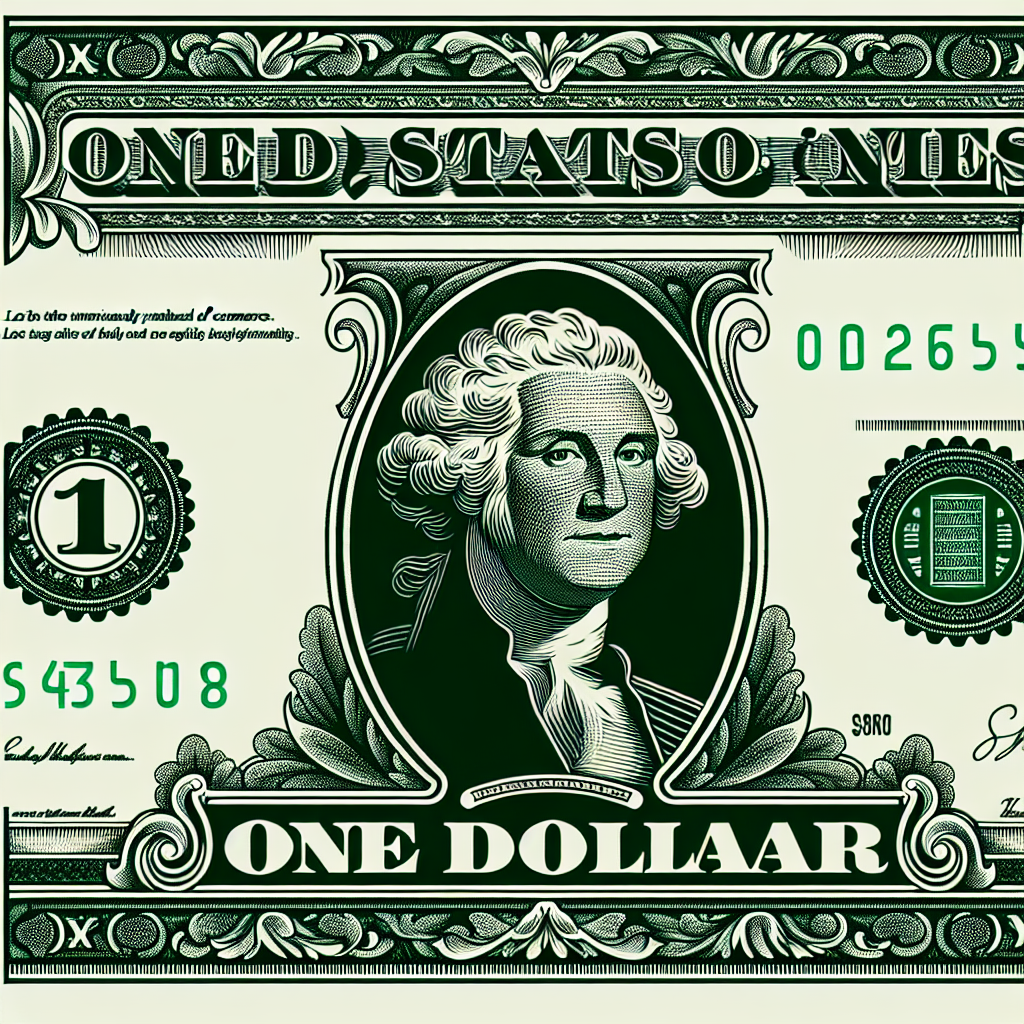
The U.S. dollar remained steady on Tuesday, reflecting a balancing act between escalating Middle East tensions and optimism from last week's soft inflation data. The dollar index stayed largely unchanged at 100.97, while the euro saw a slight increase. Uncertain U.S.-Iran relations have left market participants wary of making decisive bets.
Increased military actions by the U.S. against Iran have reignited tensions, pushing investors towards safe-haven assets like the dollar. Meanwhile, diplomatic efforts are ongoing, with Tehran considering a 10-day ceasefire proposal. Market uncertainty persists due to unclear inflation trends, as investors await more data to clarify future Federal Reserve rate moves.
Rising Brent crude prices and new U.S. tariffs on Canadian products influence currency movements, while political changes in the UK are affecting the British pound. Analysts highlight the importance of the UK's fiscal plans under new Prime Minister Andy Burnham and the upcoming European Central Bank meeting, which may signal future economic directions.
ALSO READ
-
Seychelles Growth Set to Slow to 1% as Tourism Feels the Middle East Conflict’s Impact
-
Air Cargo Demand Climbs 4.4% as Airlines Face Soaring Fuel Costs Ahead of Peak Season
-
ADB Approves $1.5 Billion to Protect Philippines From Conflict-Driven Price Hikes
-
Malawi’s Fragile Recovery Faces Jobs Test; Debt and State Firms Strain Economy
-
Asia’s Growth Slows to 5% as Energy Shocks and El Niño Put Regional Recovery at Risk


 Google News