

AfDB Approves $9.3 Million Climate Project for Ethiopia and South Sudan
Mecuria Assefaw, the African Development Bank Group's East Africa Regional Manager for Water Security and Sanitation, said climate challenges cross national boundaries and require coordinated responses.
- Country:
- Ivory Coast
Communities in Ethiopia and South Sudan are set to benefit from a new African Development Fund investment that will improve access to safe water, strengthen climate resilience and support food production in regions facing repeated floods and growing climate pressures.
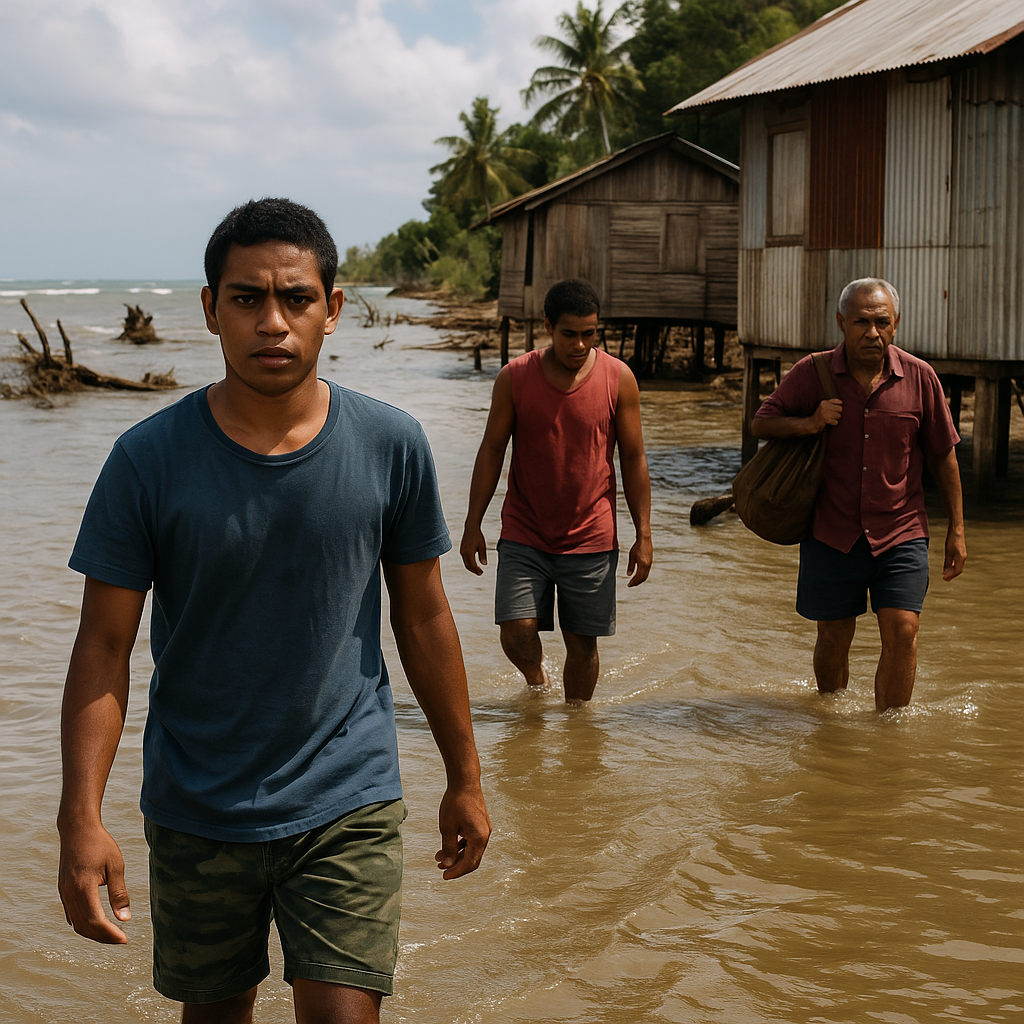
The African Development Fund's Board of Directors approved a $9.3 million grant on 15 July for the Climate Proof Water4Food Project, an initiative designed to support vulnerable communities in Ethiopia's Gambella region and South Sudan's Unity State. Both areas regularly experience extreme weather events that contribute to food shortages, displacement and declining livelihoods.
Safe water and climate resilience at the centre
The project combines water security with climate-smart agriculture to help communities better cope with changing weather patterns. Plans include constructing or rehabilitating seven solar-powered water supply systems, alongside integrated flood management measures that will provide reliable access to safe drinking water for nearly 80,000 people. The initiative also includes improved sanitation facilities in schools and public institutions, expanded hygiene services and the creation of women-led local water management committees to strengthen community oversight of water resources.
Mecuria Assefaw, the African Development Bank Group's East Africa Regional Manager for Water Security and Sanitation, said climate challenges cross national boundaries and require coordinated responses. He noted that investing in sustainable water systems, resilient agriculture and stronger local institutions would create healthier communities, more productive farms and stronger local economies well into the future.
Farmers and young people to receive new opportunities
More than 100,000 farmers will receive climate-smart agriculture training to improve crop production while adapting to increasingly unpredictable weather conditions. Many of the beneficiaries are expected to be women, who will also gain access to improved seeds, agricultural extension services, demonstration farms and modern climate-resilient farming technologies.
The programme will also train approximately 19,300 young people in agricultural skills, entrepreneurship and the development of climate-resilient value chains, creating new opportunities for employment and business development in rural communities. Alongside these efforts, degraded land will be restored through large-scale tree planting, watershed rehabilitation and measures designed to strengthen local ecosystems.
Health, education and regional cooperation expected to improve
Reliable access to clean water is expected to reduce waterborne diseases, improve hygiene standards and increase school attendance, particularly among girls who are often affected by limited water and sanitation facilities.
Higher agricultural productivity is also expected to improve household food security, strengthen nutrition for women and children and generate additional income for farming families. Better-trained local institutions will help ensure that water and agricultural services remain sustainable over the long term.
The multinational project also encourages Ethiopia and South Sudan to work more closely by promoting shared technical standards, cross-border learning and coordinated strategies to manage climate risks that affect communities on both sides of the border.
ALSO READ
-
Ethiopia’s Open Schools Project Closes With New Digital Tools and Lessons for Learning
-
African Development Bank Steps Up Push to Deliver Roads, Airport and Services in CAR
-
DRC Pushes Electricity Reforms to Protect Household Budgets and Unlock Power Investment
-
AfDB and Germany Join Forces to Connect Africa Through Better Rail
-
Morocco Secures €270 Million for Airport Upgrades as Passenger Demand Keeps Growing


 Google News