

Saudi attack highlights vulnerabilities of oil industry
- Country:
- United Kingdom
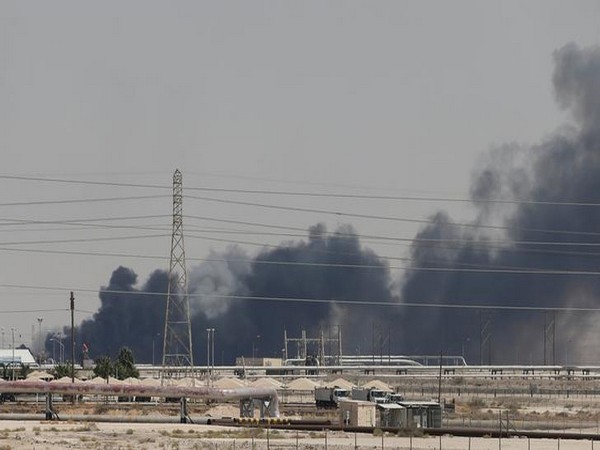
The attack on oil facilities in Saudi Arabia that brutally knocked out half of the kingdom's crude production fuelling a record surge in prices highlights the vulnerabilities of the sector, experts said Wednesday. "There are two principal things oil companies could take away, the first is that oil facilities are, by their very nature, vulnerable to attack, all sorts of attack," Anoush Ehteshami, professor for international relations at Durham University in the UK, told AFP.
"The second lesson is that regional governments and international powers are actually relatively powerless in their defense, in their responses and retaliation," the academic said. Aware of risks to its oil facilities in a region regularly shaken by conflict, Saudi Arabia invests heavily in sophisticated defense and weapons systems, such as Patriot surface-to-air missiles made by US giant Raytheon.
But that was not enough to prevent the weekend attack, which Saudi Arabia on Wednesday said came from the "north" and were "unquestionably" sponsored by Iran. The kingdom is still investigating where exactly the attack was launched from.
Saudi defense ministry spokesman Turki al-Maliki showed reporters pieces of what he said were cruise missiles and drones used in the strike, recovered from the site of Saturday's attack in the country's east. Valerie Marcel, an energy expert at the Chatham House think tank, said the attack "does point to a need to review the preparedness and response of the Saudi missile defense".
Countries are also facing a growing risk of cyberattacks. "Today, all the great powers, and even smaller ones in the context of war, have put in place cyber-attack strategies," said Gerome Billois, a cybersecurity expert for consultancy firm Wavestone.
"And in all these offensive strategies, energy supply is present." The weekend attack has called into question also the security of global oil stockpiles and in particular those held by Saudi Arabia, the world's biggest exporter of black gold.
"The reserves are safe," Durham University's Ehteshami insisted. "It's the facilities which are less secure. It is the vulnerability of platforms, of processing, of extraction and of loading which are problematic," he said.
Saudi Arabia has said that its oil output would return to normal by the end of September, helping to steady crude futures markets. But according to Marcel, the impact caused by the reduction in Saudi domestic supplies should not be underestimated.
"All spare capacity will be used and there will no fat left in the system," she said. To cushion the market impact, US President Donald Trump on Sunday authorized the release of oil from US strategic reserves.
Looking ahead, BNP Paribas analyst Harry Tchilinguirian said the market "should raise the risk premium on oil prices, given the vulnerability of the Saudi supply chain and the possibility that an attack of the same type repeating itself".
ALSO READ
-
US Approves Potential Sale of F-35 Jets to Saudi Arabia, Shifting Middle Eastern Power Dynamics
-
Middle East Tensions Threaten Global Oil Supplies
-
Middle East Unrest: Yemen Crisis Fuels Oil Supply Fears
-
Prince Harry's Return to Britain and Spotlight on Invictus Spirit Awards
-
US Eyes Controversial F-35 Deal to Bolster Saudi Defense


 Google News