

Unified Early Education: Bridging Anganwadi Centres with Schools
The Indian government has introduced guidelines for co-locating Anganwadi Centres with primary schools to bolster early childhood education. This initiative aims for collaborative planning, curriculum alignment, and improved learning environments. It includes provisions for joint teacher meetings and tracking systems to enhance children's transition to primary education.
- Country:
- India
The Indian government has rolled out new guidelines aimed at integrating Anganwadi Centres (AWCs) with primary schools, a move designed to enhance early childhood care and education. Unveiled by Education Minister Dharmendra Pradhan and Women and Child Development Minister Annapurna Devi, the policy promotes joint planning between teachers and Anganwadi workers, alongside curriculum alignment and parental engagement.
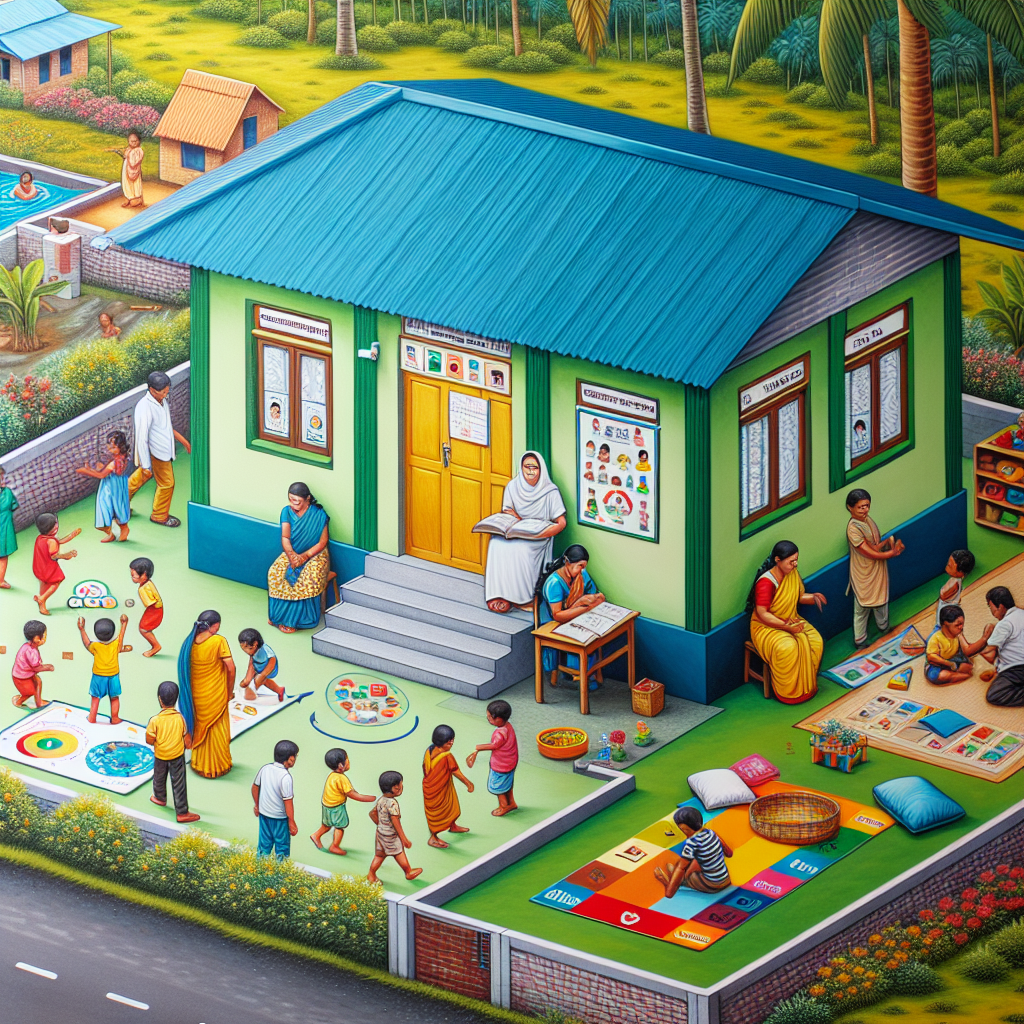
In a bid to foster uniform practices, the guidelines offer two models: either physical co-location of AWCs within school premises or mapping them to nearby schools when direct co-location isn't feasible. These guidelines detail necessary infrastructure like separate entry points, dedicated kitchens, play areas, and child-friendly toilets. Monthly coordination meetings and joint events aim to foster convergence between Anganwadi workers and school teachers.
Officials highlight that effective implementation is crucial, with current data showing 2.9 lakh out of 14 lakh AWCs already co-located on school premises. The guidelines aim to mitigate issues found in field studies where AWCs often lack essential facilities. Overall, this plan intends to optimize resources, reduce dropout rates, and improve learning outcomes for young children.


 Google News