

Behind the Splash: The Hidden Mechanics of Rome's Trevi Fountain
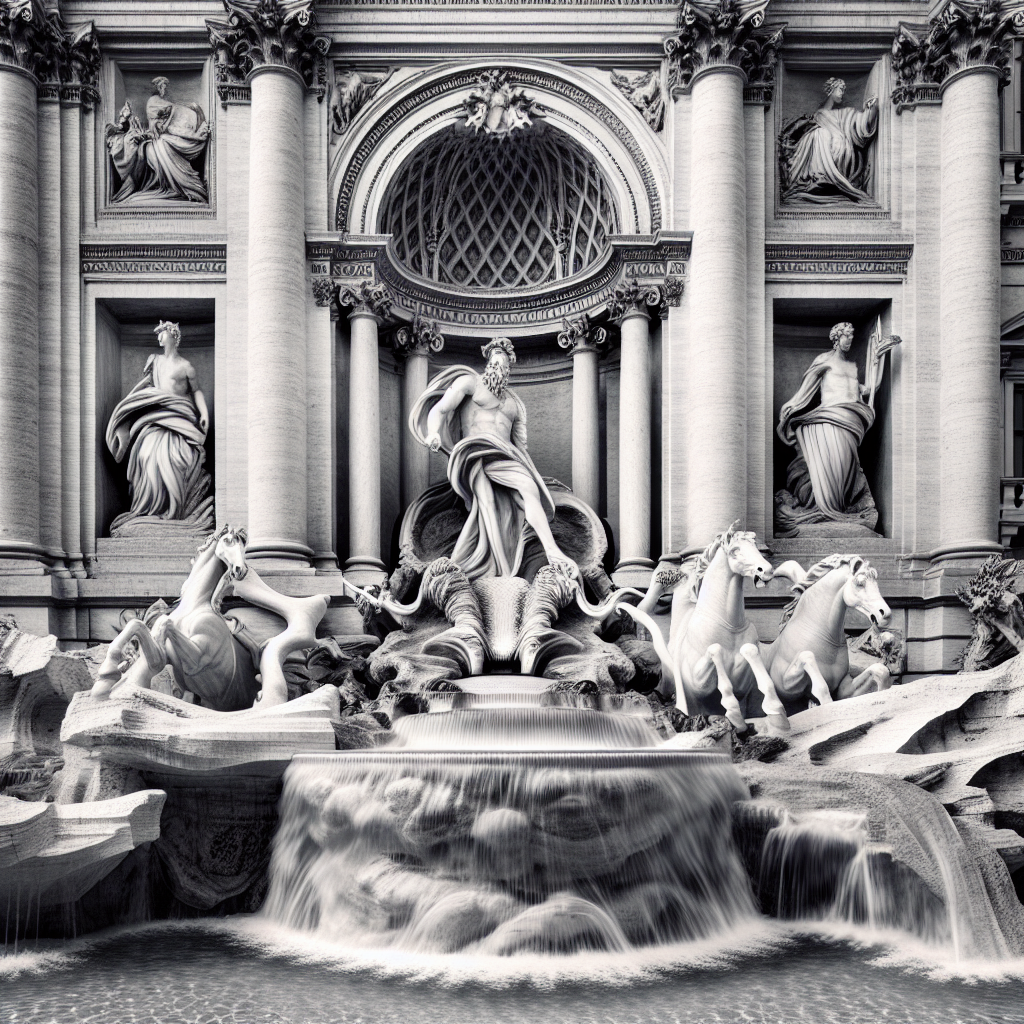
The Trevi Fountain in Rome, an iconic symbol in films, draws millions annually. Visitors seldom see the complex waterworks behind it, managed by ACEA via the Aqua Virgo aqueduct. The fountain's orchestration involves precise water flow, historic chambers, and electrical pumps for an ongoing aquatic spectacle.
- Country:
- Italy
The Trevi Fountain in Rome has long captured the imagination of audiences worldwide, appearing in classic films from Fellini's “La Dolce Vita” to Netflix's “Emily in Paris.”
Located in a bustling part of Rome, the fountain draws millions of visitors annually, eager to see the majestic Titan god and the cascading turquoise waters.
However, few realize the complex operations that keep it running smoothly. Water is sourced from the 16-kilometer-long Aqua Virgo aqueduct and managed by Rome's water company, ACEA. Two electric pumps recycle water, and an intricate chamber system ensures the flow is just right for cinematic water displays.
ALSO READ
-
Seychelles Growth Set to Slow to 1% as Tourism Feels the Middle East Conflict’s Impact
-
Kosovo’s Hospitality Skills Gap Holds Back Tourism Growth and Decent Jobs for Youth
-
Caribbean Tourism Powers Local Economies, but Workers Need More Than Visitor Growth
-
Italy and UN Partners Set Out Rome’s Growing Role as Global Development Finance Hub
-
Thailand’s High-Income Future Will Be Shaped by Smarter Cities


 Google News