

Libya oilfields' closure could lead to force majeure - statement
Such closures could severely affect the north African country’s vital oil sector, including marketing and demand, and undermine the ministry's efforts to stabilise crude production, the ministry said. Production at the El Feel, Sharara and 108 oilfields was shut on Thursday in a protest by the Al-Zawi tribe against the abduction of Faraj Bumatari, according to a tribal leader.
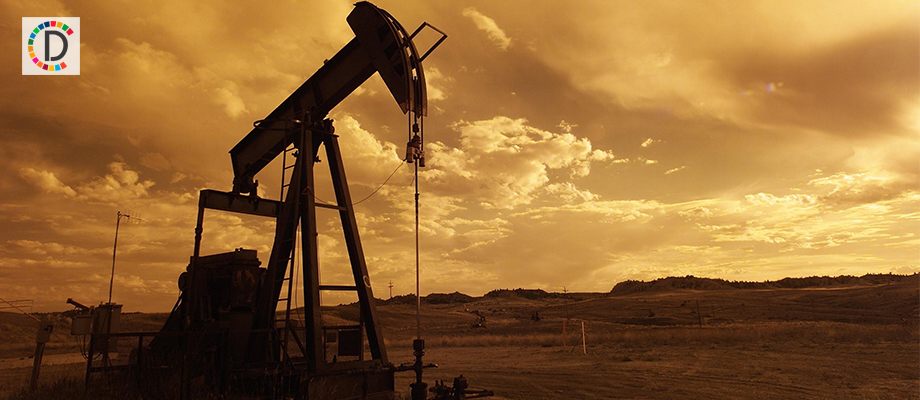
The closure of three Libyan oilfields could lead to the declaration of force majeure, the oil ministry said late on Friday, a day after the fields were shut in protest against the abduction of a former finance minister.
A ministry statement called on all parties not to let their disputes affect energy production and exports. Such closures could severely affect the north African country’s vital oil sector, including marketing and demand, and undermine the ministry's efforts to stabilise crude production, the ministry said.
Production at the El Feel, Sharara and 108 oilfields was shut on Thursday in a protest by the Al-Zawi tribe against the abduction of Faraj Bumatari, according to a tribal leader. The Sharara field is one of Libya's largest production areas, with capacity of 300,000 barrels per day. It has been a frequent target of political strife.
Zawi tribe leader Al-Senussi al-Ahlaiq told Reuters that the closure of El Feel was aimed at pressuring the authorities in Tripoli to release Bumatari, who was kidnapped after arriving at Mitiga airport on Tuesday. Bumatari is a candidate for central bank governor, which "makes him vulnerable to danger and kidnapping", the tribe said in a statement.
(Reporting By Moaz Abd-Alaziz in Cairo; Editing by William Mallard)


 Google News