

Digitalisation Transforming Finance: Shaktikanta Das Highlights Progress and Challenges
Reserve Bank Governor Shaktikanta Das discusses how digitalisation is revolutionising finance, enhancing access to affordable financial services, and streamlining transactions. He highlights fintech's role, the impact of the Unified Payments Interface, and the emergence of digital lending ecosystems. Das also addresses challenges such as cybersecurity, data privacy, and the need for strategic investments in upskilling.
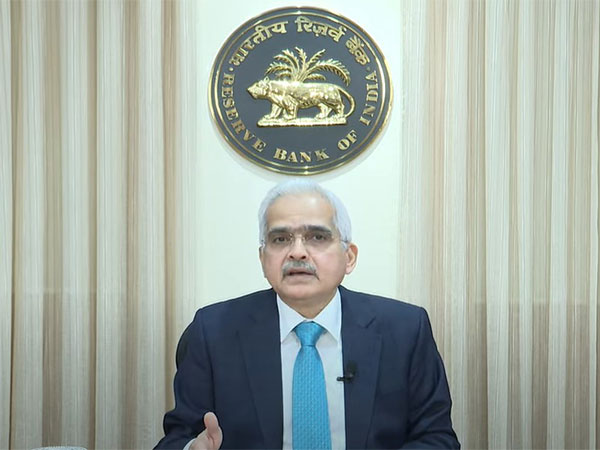
Reserve Bank Governor Shaktikanta Das emphasized that digitalisation in finance is paving the way for next-generation banking, improving access to financial services at affordable costs. Speaking on Monday, Das underscored the significance of the Unified Payments Interface (UPI) in revolutionising retail payments, making transactions faster and more convenient. Das revealed that the Reserve Bank is conducting pilot runs of the e-rupee, a central bank digital currency (CBDC), showcasing its leadership in the digital currency arena.
Additionally, he highlighted the vibrancy of the digital lending ecosystem, bolstered by initiatives such as the Open Credit Enablement Network and the Public Tech Platform for Frictionless Credit. Fintechs, in collaboration with banks and NBFCs, are facilitating digital credit, while BigTech companies are supporting payment apps and lending products as third-party service providers.
However, Das also pointed out the challenges that accompany digitalisation, including cybersecurity threats, data privacy issues, and systemic risks due to increased interconnectedness. He stressed the need for strategic investments in upskilling and reskilling the workforce to meet the demands of this evolving landscape. The report finds that a robust regulatory framework is crucial for boosting consumer confidence in digital financial products and integrating financial markets.


 Google News