

Unraveling Nigeria's Power Grid Crisis: Causes, Consequences, and Potential Solutions
Nigeria's national power grid frequently collapses, causing significant economic losses. Aging infrastructure and vandalism exacerbate the situation. Despite vast gas reserves, Nigeria underutilizes its capacity. The government and states are exploring decentralized power initiatives to mitigate the issues.
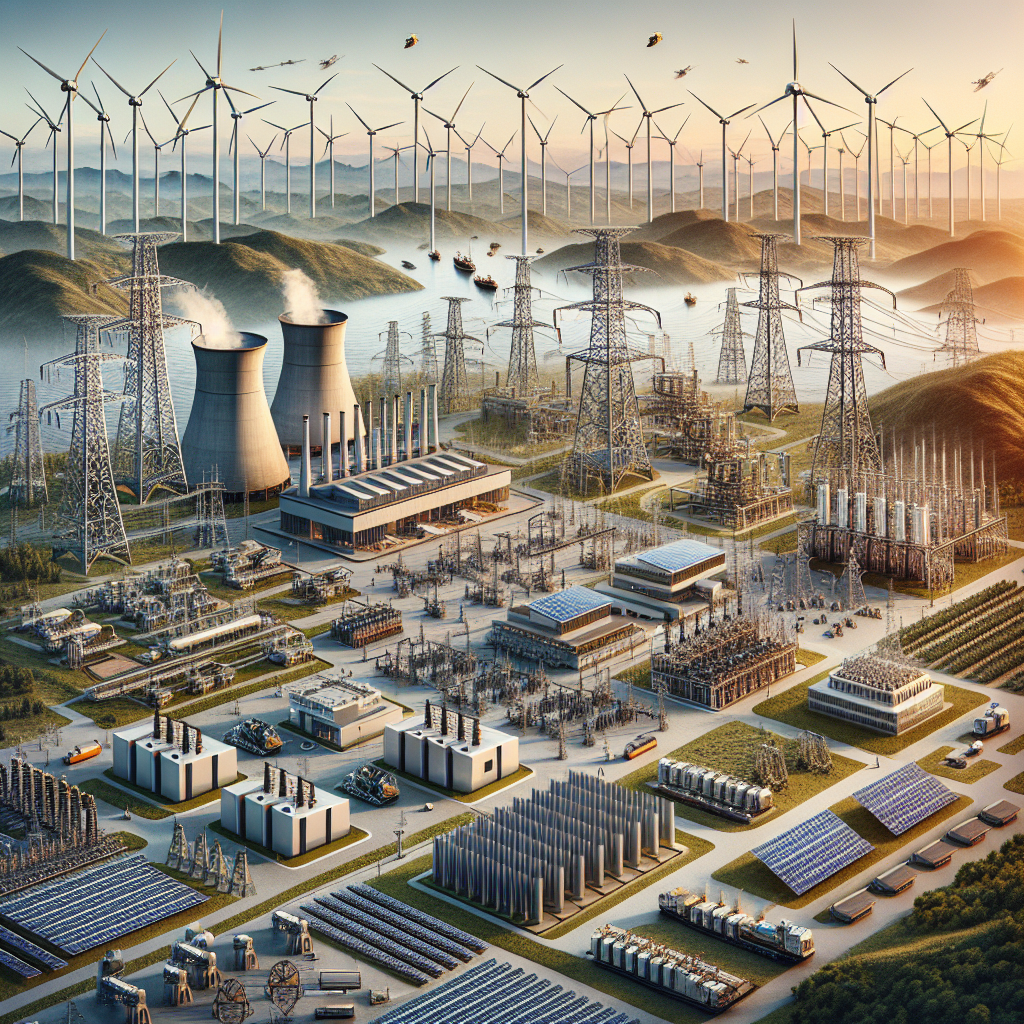
Nigeria's national power grid is constantly prone to collapses, creating substantial power shortages and hindering economic growth and investment in Africa's most populous country.
According to the World Bank, Nigeria loses an estimated $29 billion annually due to its unstable power supply, which leads to widespread blackouts.
The root cause lies in Nigeria's aging infrastructure, with transmission lines and substations suffering frequent failures, compounded by vandalism and inadequate capacity utilization.
ALSO READ
-
Nigeria Launches $5 Billion AgriConnect Plan to Back Farmers and Create 2.5m Jobs
-
AfDB and Nigeria Strengthen Corruption Safeguards to Protect Development Projects
-
Crackdown on Cuban Nickel: US Sanctions Target Elite Enrichment
-
Crackdown on Ansaru: Trial of Key Suspects Begins
-
Nigerian Fintech Overload: The Rush for Dangote Refinery Shares


 Google News