

Mission 300: Lighting Up Africa
Several African nations have pledged to reform their electricity sectors with the aim of providing power to 300 million people within six years. Under the World Bank and AfDB's Mission 300, $90 billion will be sourced from various financial entities to boost development and connectivity.
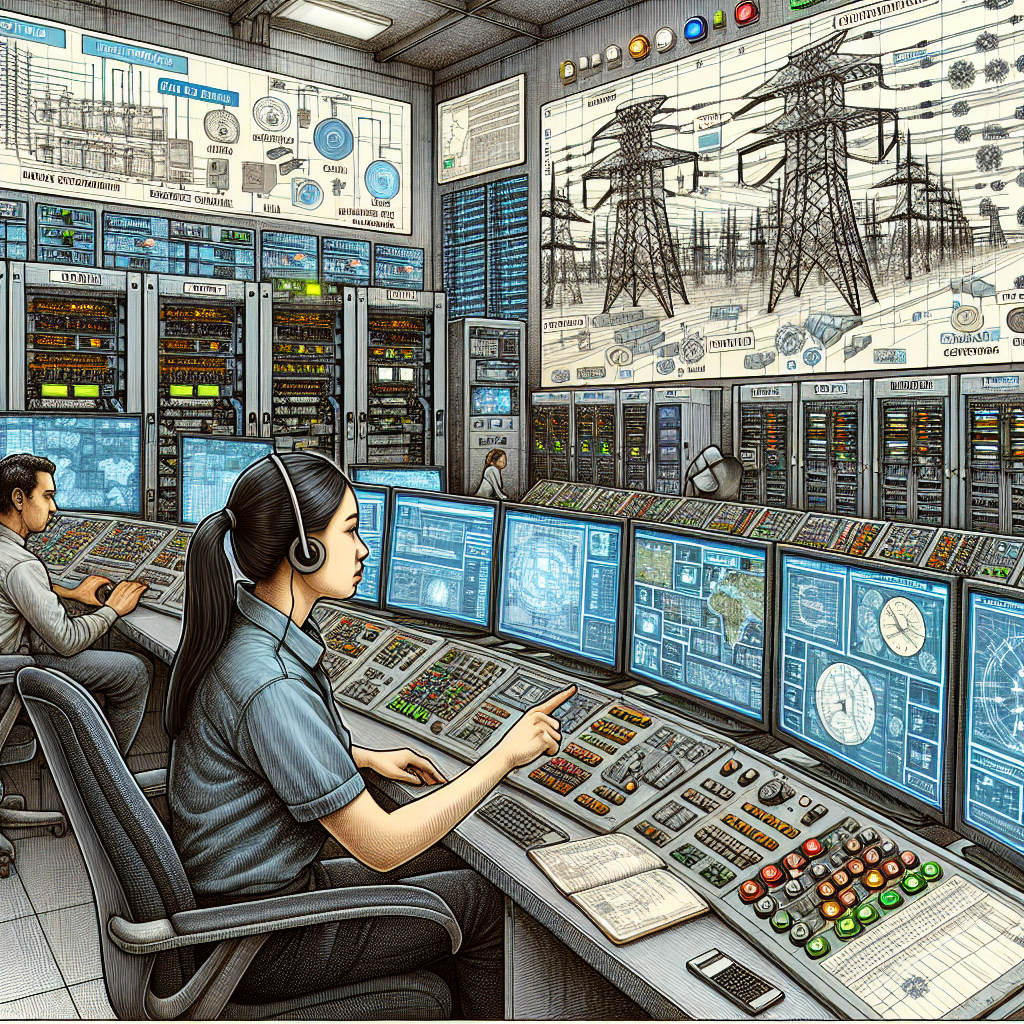
On Monday, several African countries committed to revamping their electricity sectors to entice investors and extend power to 300 million individuals lacking electricity within the next six years.
Africa, the continent with the highest number of people without electricity, is under pressure to electrify homes by 2030 through the 'Mission 300' initiative, spearheaded by the World Bank and the African Development Bank (AfDB) since April. Spearheaded by the Rockefeller Foundation, this plan targets unlocking at least $90 billion from diverse sources such as multilateral development banks and private businesses.
Kevin Kariuki, AfDB's vice president for infrastructure, emphasized the need for expanding and rehabilitating electricity grids at minimal costs during a summit in Tanzania. Nations including Nigeria, Senegal, Zambia, and Tanzania pledged to reform utility companies and focus on renewable energies, with commitments from financial institutions to support their energy sectors stressed by World Bank President Ajay Banga.
ALSO READ
-
From Cancer Care to Nuclear Careers, IAEA Conference Puts Global Progress in Focus
-
African Venture Capital Gets a Boost as Oxford Programme Builds Investor Connections
-
World Bank Backs Serbia’s Gas Network With $600M for Decade of Energy Upgrades
-
World Bank Backs Türkiye’s Farmers With $750 M to Boost Rural Jobs and Growth
-
Free AI Training Opens Doors for African Public Officials to Build Smarter Services


 Google News