

Tariff Tensions: The Ripple Effect Across Borders
Stephen Bullock faces the challenge of getting concrete-laying machines to Canada amidst tariff fears. President Trump's abrupt tariff announcements and hold-offs create uncertainty, affecting cross-border business strategies. The impact of potential trade barriers highlights the complexities and repercussions of economic policies on businesses and economies.
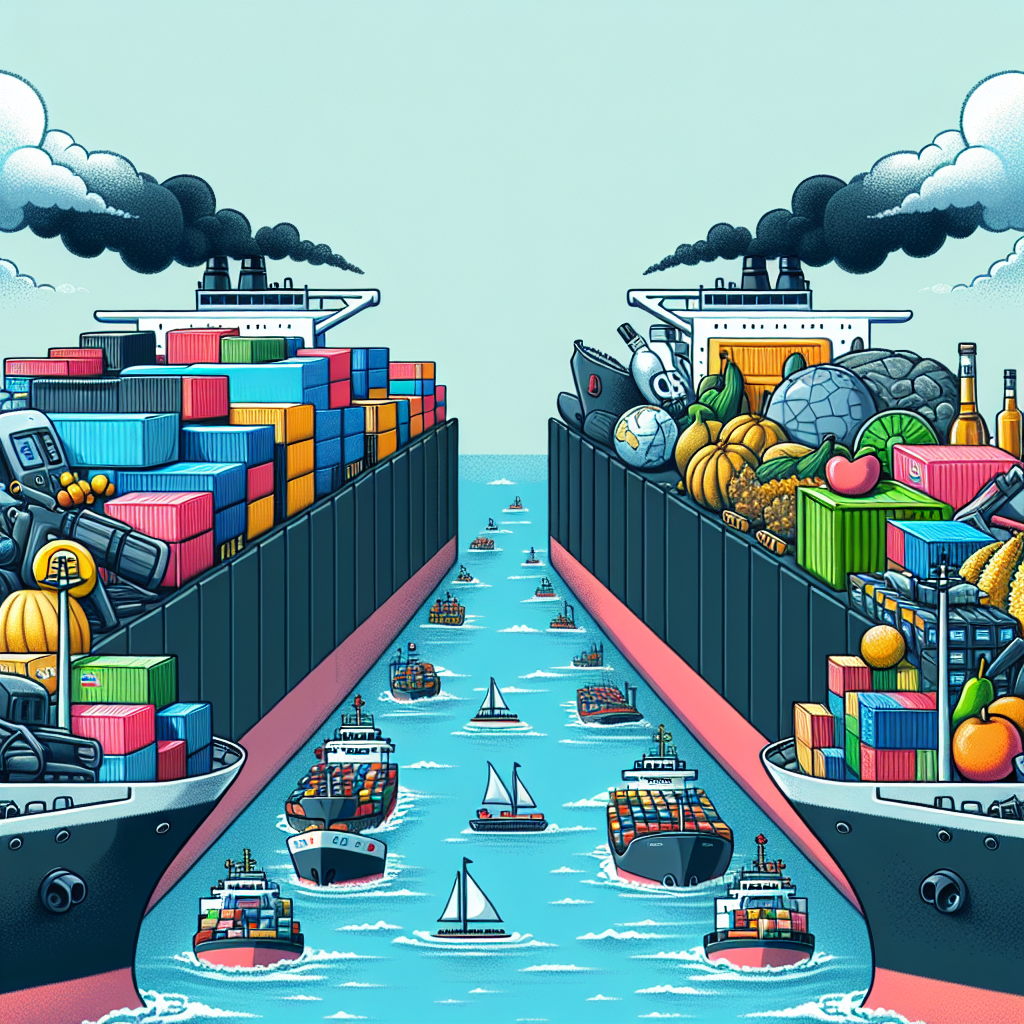
In the small factory of Stephen Bullock in North Carolina, fear of a U.S.-Canada trade war ignited urgent action last week. Bullock, president of Power Curbers, scrambled to ship concrete-laying machines to Canada after a sudden tariff announcement by President Donald Trump.
Despite a temporary reprieve, anxiety persisted as contractors like Bullock faced potential cross-border tariff impacts. Canada's vow of retaliatory levies triggered concerns about business stability and market access, amplifying costs and risks for American manufacturers deeply embedded in North American supply chains.
Economic turbulence from tariff threats extends beyond Bullock's company. Manufacturers fear global market disruptions could harm domestic industries reliant on Mexican and Canadian parts. As companies brace for possible tariff enactments, new strategies to navigate these volatile waters are vital to their survival.
ALSO READ
-
EU Firms Rethink Supply Chains as Geopolitical Risks Reshape Global Trade
-
Trade War Chessboard: Agriculture, Energy, and Rare Earths in Focus
-
High-Stakes Diplomatic Dance: Trump and Xi's Crucial Summit
-
Potential EU Partnerships Stir International Debate
-
Canada's Cinematic Potential: Andrew Haigh Champions Alberta's Film Industry


 Google News