

Trump's Tariffs: A Bold Gamble
U.S. President Donald Trump enacted significant tariff hikes on steel and aluminum imports, aiming to protect domestic industries. His actions have sparked debates and potential trade tensions. These tariffs eliminate prior exemptions, impacting key trade partners and industries while promising further reciprocal tariffs on various goods.
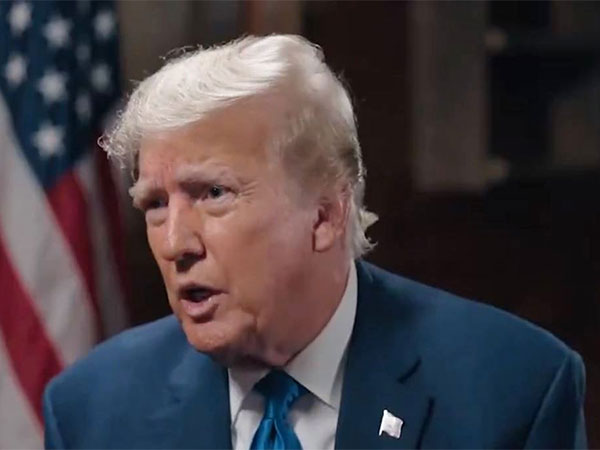
U.S. President Donald Trump took a decisive step on Monday by significantly increasing tariffs on steel and aluminum imports. The move elevates the tariff rate on aluminum from 10% to a flat 25% with no exceptions, a decision made to bolster struggling industries within the United States.
By eliminating country-specific exceptions and quotas, Trump's administration seeks to simplify tariff structures and enhance protection for domestic producers. However, these measures risk igniting a multi-front trade war, impacting key allies such as Canada, Brazil, and Mexico.
The White House underscores that these tariffs are necessary to secure America's economic and national security. While allies react to these changes, Trump also hinted at further tariff announcements on various foreign goods, intensifying global trade dynamics.
ALSO READ
-
EU Firms Rethink Supply Chains as Geopolitical Risks Reshape Global Trade
-
Lee Jae Myung's Diplomatic Milestones: Balancing Amidst Global Tensions
-
Diplomatic Moves: Takaichi's UN Meeting with Trump
-
Trade War Chessboard: Agriculture, Energy, and Rare Earths in Focus
-
High-Stakes Diplomatic Dance: Trump and Xi's Crucial Summit


 Google News