

Tariff Turbulence: The Ripple Effect on Main Street
The implementation of President Trump's tariffs is causing uncertainty on Main Street, affecting industries and consumer behavior. Businesses are cautious, facing potential price hikes and inflation. Recent tariffs on imports, including steel and aluminum from major trading partners, contributed to market instability, raising concerns about economic growth.
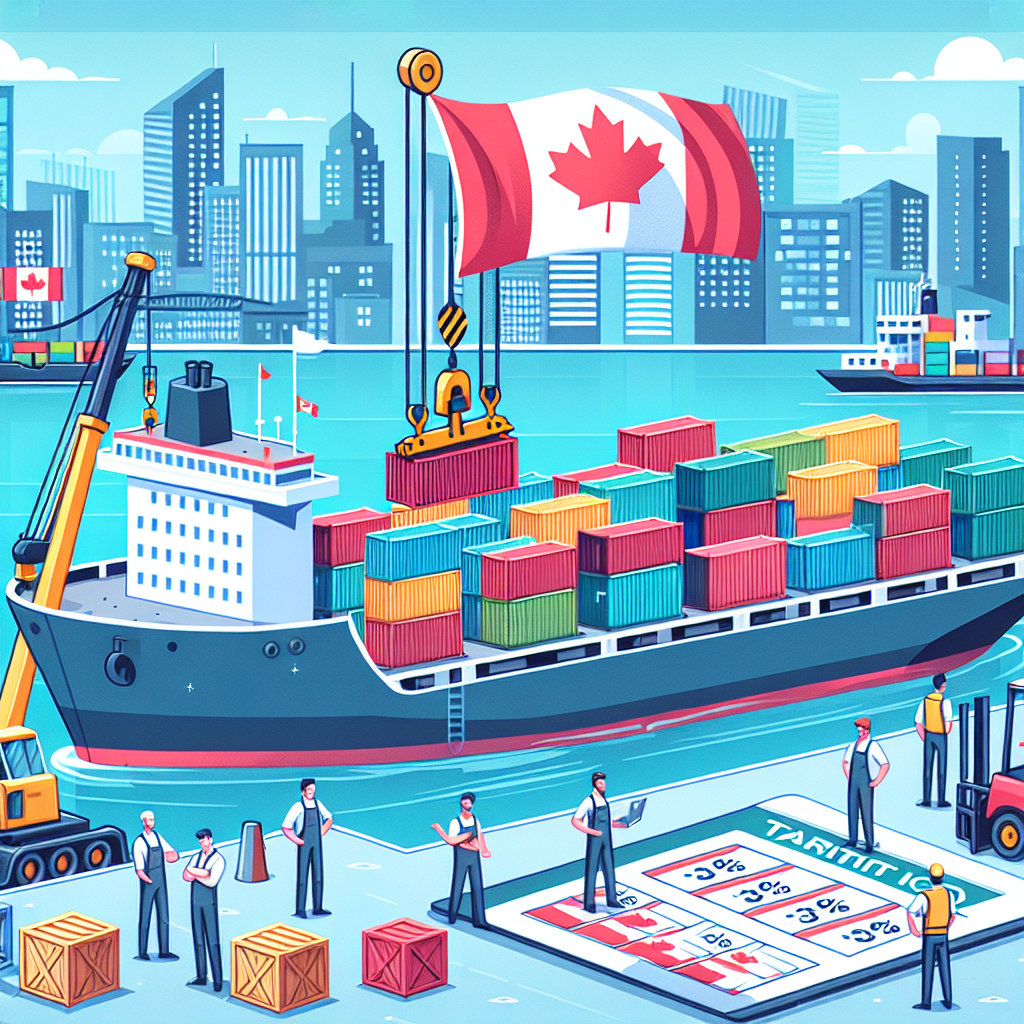
In recent days, President Donald Trump's tariff policies have created turbulence across the corporate landscape, ushering in unease on Main Street. His series of tariffs and unpredictable trade policies have begun to weigh heavily on businesses, with consumers cutting back on purchases ranging from basic goods to travel.
Investors now fear the economic repercussions, as the administration's shifting regulations prompt companies to consider price increases, potentially stirring inflation and stifling growth. On Tuesday, Trump's announcement to double tariffs on Canadian steel and aluminum imports added fuel to the fire, intensifying concerns about economic fallout.
While some CEOs avoided direct criticism, they cite "uncertainty" as eroding confidence. U.S. airlines and other sectors report weakened domestic spending, reflecting widespread economic unease. The latest 25% tariffs on metals from allied countries further contribute to the growing apprehension as businesses brace for potential impacts on investment and spending.
ALSO READ
-
Asia-Pacific Puts Services Trade at Centre of Growth and Jobs Through TS4D Talks
-
WTO at Crossroads: Why Future of Global Trade Matters to Every One of Us
-
EU Firms Rethink Supply Chains as Geopolitical Risks Reshape Global Trade
-
Lee Jae Myung's Diplomatic Milestones: Balancing Amidst Global Tensions
-
Diplomatic Moves: Takaichi's UN Meeting with Trump


 Google News