

Navigating the Storm: U.S.-China Agricultural Trade Tensions Soar
China's new 34% tariffs on U.S. goods mark a severe trade war escalation, threatening American agricultural exports, especially soybeans and corn. China's strategic diversification in agriculture mitigates its risk, although it remains the U.S.'s largest market. The ongoing trade tensions have already impacted trade values significantly.
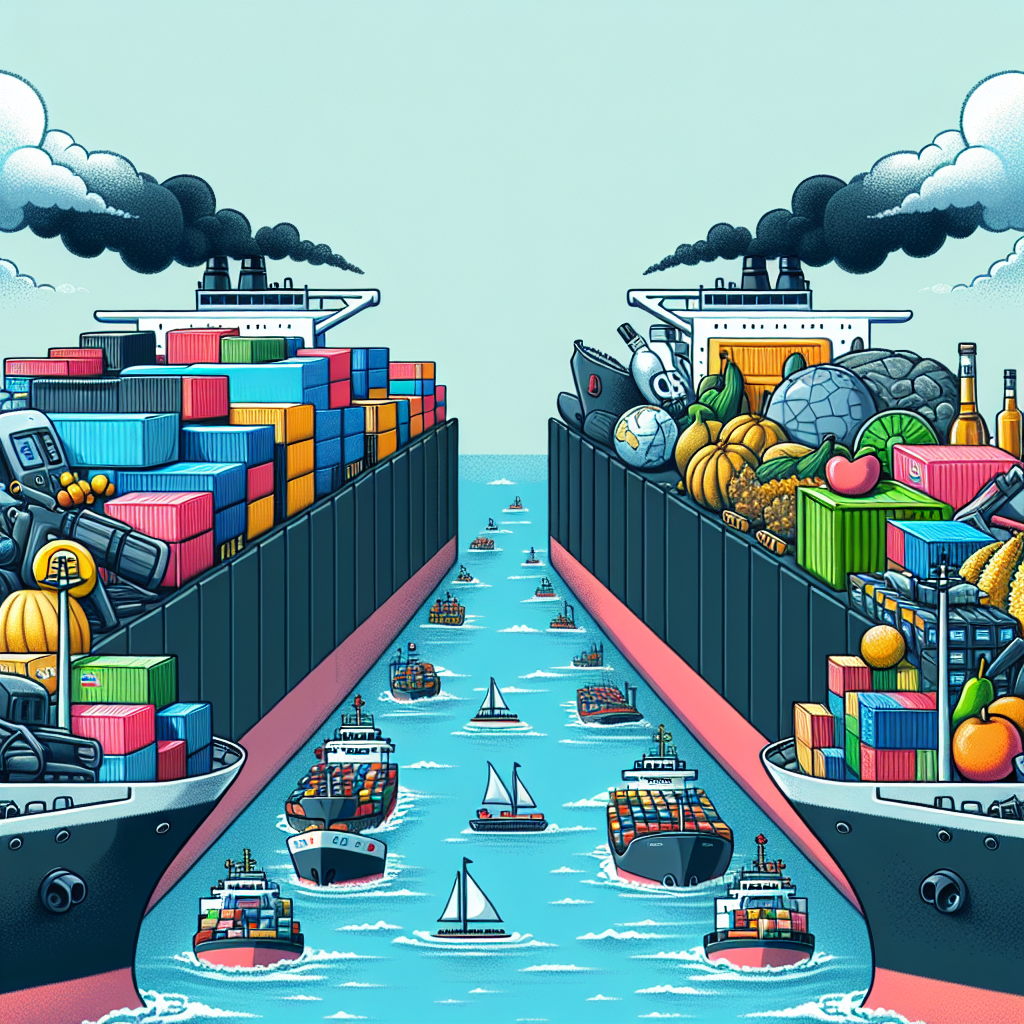
China's decision to impose additional 34% tariffs on U.S. goods represents a major escalation in the ongoing trade war under President Donald Trump's administration. This dramatic move has intensified fears of a recession and significantly disrupted the global stock market.
These new tariffs come on top of the existing 10-15% duties on U.S. farm products, valued at around $21 billion, implemented in March. The latest levies threaten to nearly eliminate the lucrative agricultural trade between the two economic giants.
Despite the challenges, China continues to be a principal market for American farmers. However, China's strategic shift towards diversifying agricultural imports, notably from Brazil, has decreased its dependency on U.S. goods, providing it with a stronger position in this escalating trade conflict.
ALSO READ
-
WTO Sets Up Panel on EU Carbon Border Rules as Russia Challenges Restrictions
-
WHO Brings Global Experts Together to Strengthen Herbal Medicine Quality and Safety
-
Human Cost of Faster Work: Chinese Employees Weigh AI’s Promise Against Pay Fears
-
EU Firms Rethink Supply Chains as Geopolitical Risks Reshape Global Trade
-
China's August Disasters Yield $5.38 Billion in Losses


 Google News