

Trump's Historic Tariff Overhaul Shakes Global Markets
U.S. customs agents started implementing President Trump's 10% tariff on imports from various countries. This marks a major shift from the post-WWII tariff system. The abrupt change has disrupted global markets, causing significant financial losses. Notably impacted countries include Australia, Britain, and China, facing different tariff rates.
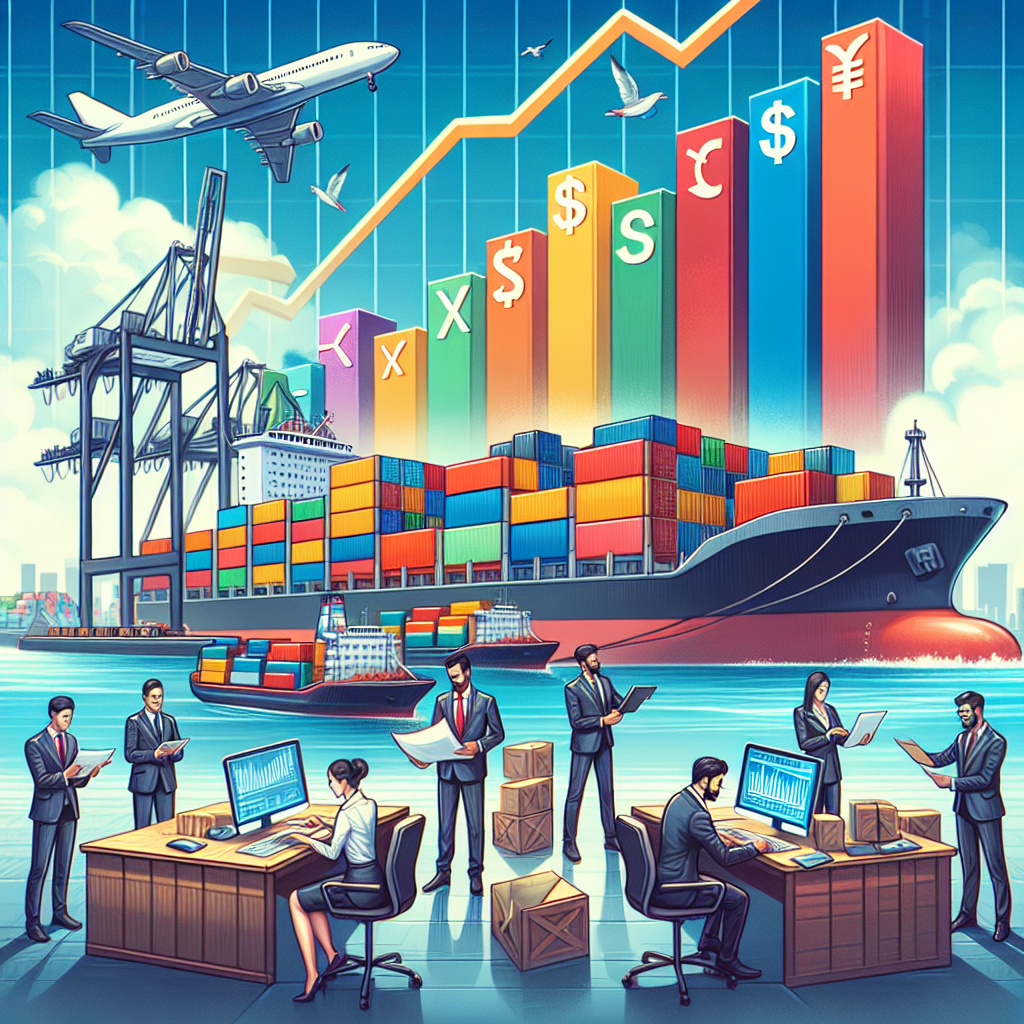
U.S. customs agents began enforcing President Donald Trump's unilateral 10% tariff on imports from various countries, signaling a dramatic shift from the post-World War II tariff system. The tariff, which affects goods from 57 countries, is perceived as a major overhaul in international trade practices.
The implementation of these tariffs at U.S. ports led to turbulent global markets, with significant financial repercussions. The announcement wiped $5 trillion from the value of S&P 500 companies, leading to plummeting stock prices, oil, and commodities, as investors sought refuge in government bonds.
While the tariff impacts a wide range of countries from Australia to Egypt, no grace period is offered for cargo already in transit. Higher rates await European Union and Chinese imports, which face 20% and 34% tariffs respectively. However, Canada and Mexico are exempt due to separate trade agreements.
ALSO READ
-
Lee Jae Myung's Diplomatic Milestones: Balancing Amidst Global Tensions
-
Diplomatic Moves: Takaichi's UN Meeting with Trump
-
Trade War Chessboard: Agriculture, Energy, and Rare Earths in Focus
-
High-Stakes Diplomatic Dance: Trump and Xi's Crucial Summit
-
Trump's Battle with the Airwaves: A Broadcast Controversy


 Google News