

Game of Tariffs: Australian Beef Navigates U.S. Trade Barriers
Amid recent U.S. tariff hikes on imports, Australian beef industry remains largely unaffected due to existing high export levels. Meanwhile, China's retaliatory measures on U.S. beef offer Australia and other countries a chance to capture a larger market share. Currency shifts further buffer Australian producers from potential price impacts.
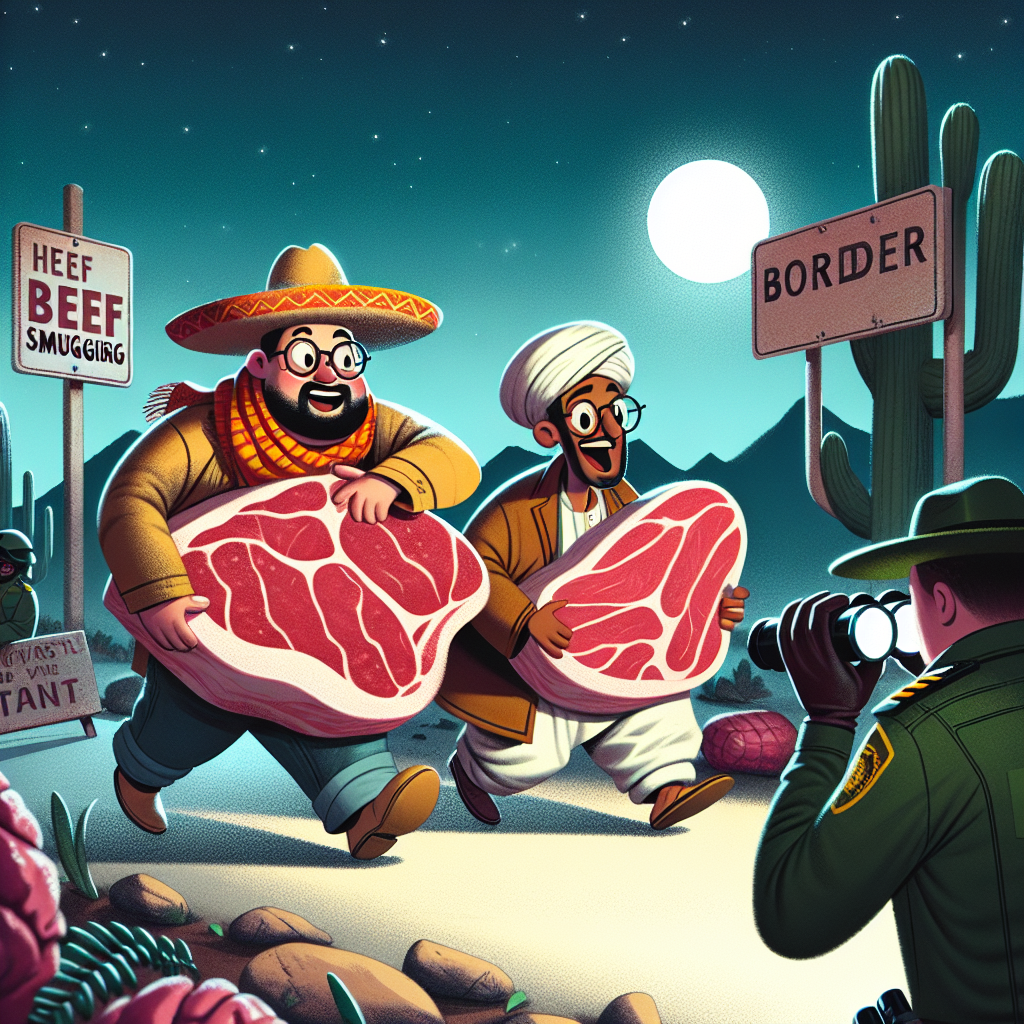
In a surprising twist amid escalating trade tensions, Australia's beef industry breathed a sigh of relief as U.S. President Donald Trump announced a 10% tariff on Australian beef imports. This modest increase, insiders reveal, won't significantly impact the robust beef export levels to the U.S. currently averaging $275 million monthly.
As Trump's tariffs ripple through the market, China's retaliatory restrictions on U.S. beef imports offer Australia, Brazil, and Argentina a prime opportunity to expand their footprint in China's $125 million monthly market. Australian producers like Bindaree Food Group have seen renewed U.S. interest, seizing the chance to boost exports to both the U.S. and China.
The latest tariffs come amid declining U.S. cattle numbers, prompting greater reliance on imported beef. Australia's abundant supply, thanks to favorable weather, positions it as a major supplier to the U.S., offering competitive prices even after the tariff adjustment. The fluctuating Australian dollar further supports this trade dynamic, making Australian beef more attractive to American buyers.
ALSO READ
-
EU Firms Rethink Supply Chains as Geopolitical Risks Reshape Global Trade
-
Trade War Chessboard: Agriculture, Energy, and Rare Earths in Focus
-
Prospects of a New Summit: South Korean Optimism Amid Uncertainty
-
Nomination Turbulence: White House Withdraws Jeffrey Anderson for ICAO Post
-
Potential EU Partnerships Stir International Debate


 Google News