

Yuan in Crisis: Navigating Trade War Turbulence
China's yuan rebounded from a 2007 trough against the dollar amid an ongoing trade war with the U.S., leading to increased tariffs on imports. The People's Bank of China aims to stabilize the yuan to avoid financial instability while policymakers seek economic revival post-COVID-19 slump.
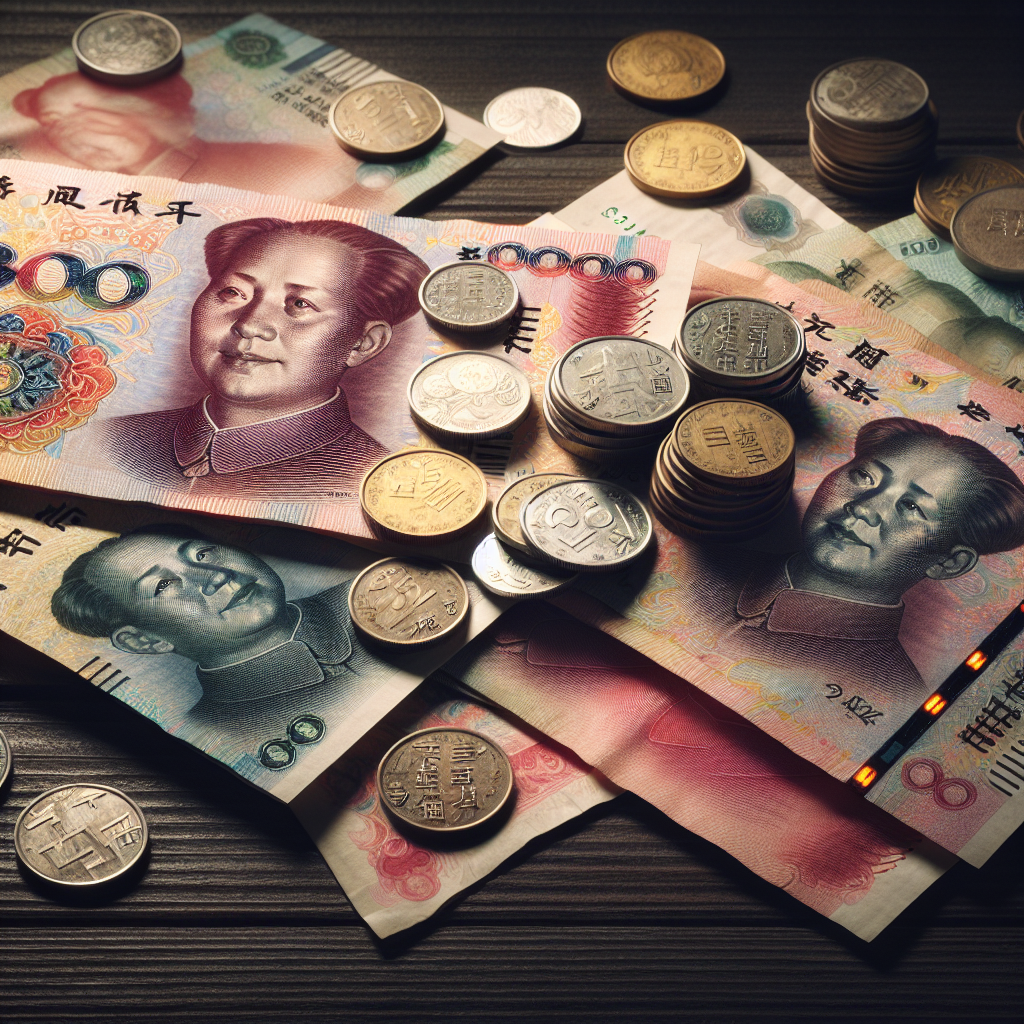
The yuan, China's currency, has regained some ground despite being battered by ongoing trade disputes with the United States. Both countries have enacted harsh tariffs, exacerbating economic tensions further.
Following a brief market rally, President Donald Trump's tariff pause did not extend to China, leading to heightened import duties from both nations. Notably, China raised its tariffs on U.S. goods to 125%.
Despite challenges, China's central bank is working to maintain the yuan's stability, reversing trends of significant market dips to bolster exports while preventing capital outflow and financial instability.
ALSO READ
-
WTO Sets Up Panel on EU Carbon Border Rules as Russia Challenges Restrictions
-
WHO Brings Global Experts Together to Strengthen Herbal Medicine Quality and Safety
-
Human Cost of Faster Work: Chinese Employees Weigh AI’s Promise Against Pay Fears
-
China's August Disasters Yield $5.38 Billion in Losses
-
Trade War Chessboard: Agriculture, Energy, and Rare Earths in Focus


 Google News