

Turbulence in Global Markets: The Impact of U.S.-EU Tariff Deal
Global financial markets are under pressure as investors react to the new U.S.-EU trade deal with significant tariff hikes. These increases are negatively impacting growth and inflation, triggering market fluctuations. Additionally, oil prices spiked due to tensions involving Russia, further complicating the global economic outlook.
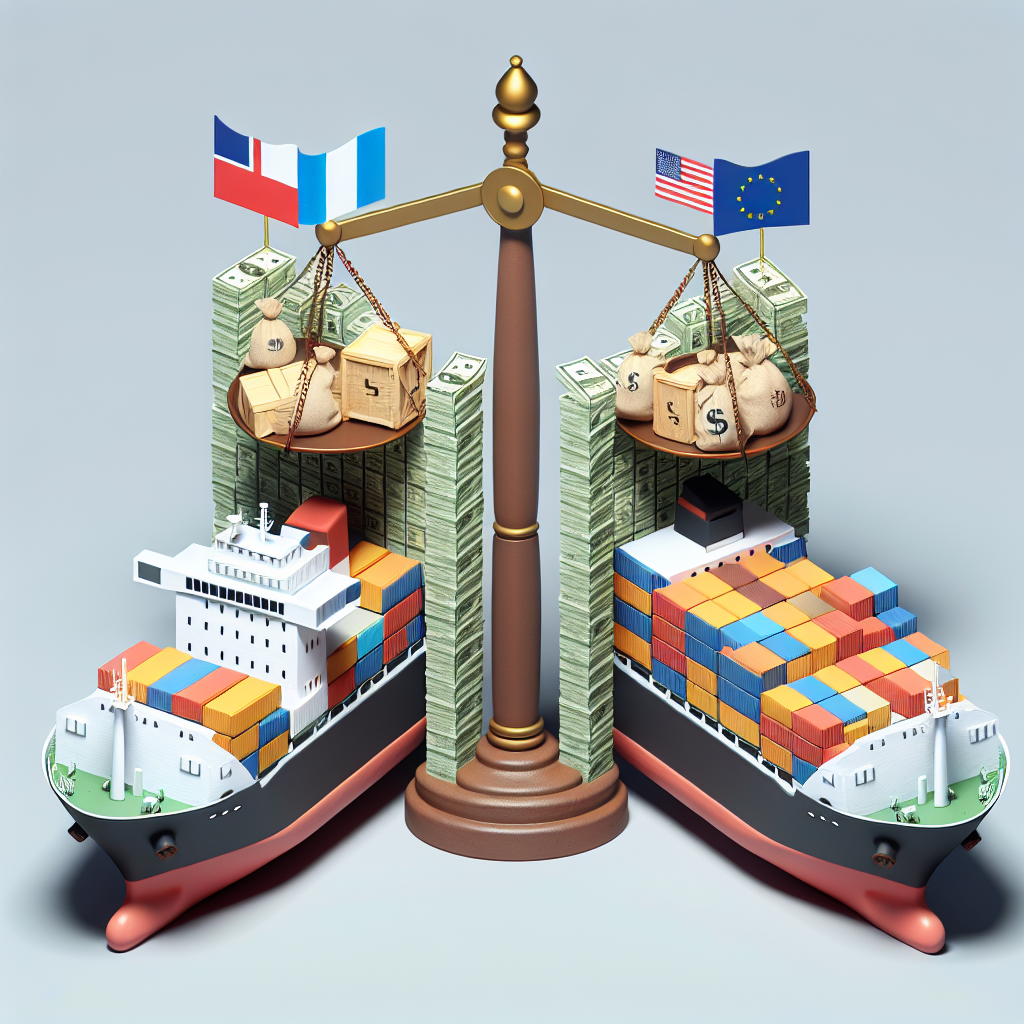
In a turbulent start to the week, Asian shares declined while the euro struggled to recover losses amid the realization of lasting tariff impacts from the U.S.-EU trade deal. Investors were initially relieved by Europe's 15% levy, but optimism dimmed upon reflecting on previous rates of just 1% to 2% before the Trump administration.
Further global economic tensions were fueled by a potential "world tariff" range of 15% to 20% imposed on all trading partners without negotiating deals. This marks one of the steepest tariff hikes since the 1930s, challenging U.S. dominance in global free trade. Caution also spread with rising oil prices as Trump set new deadlines for Russian compliance regarding the Ukraine conflict, under threat of additional sanctions.
Amidst these developments, major indices like the MSCI Asia-Pacific and Japan's Nikkei saw declines. Meanwhile, U.S. indices showed resilience, buoyed by positive outlooks for major tech company earnings. Financial markets remain on edge with anticipated announcements from central banks this week that could shape future economic strategies.


 Google News