

Trade Tariffs: India-U.S. Agricultural Standoff
U.S. President Donald Trump imposed a 25% tariff on Indian goods after conflicts over access to India's agricultural sector. India resists importing genetically modified U.S. crops and dairy due to health, environmental, and cultural concerns. The standoff is politically sensitive, affecting India's large farming sector and trade policies.
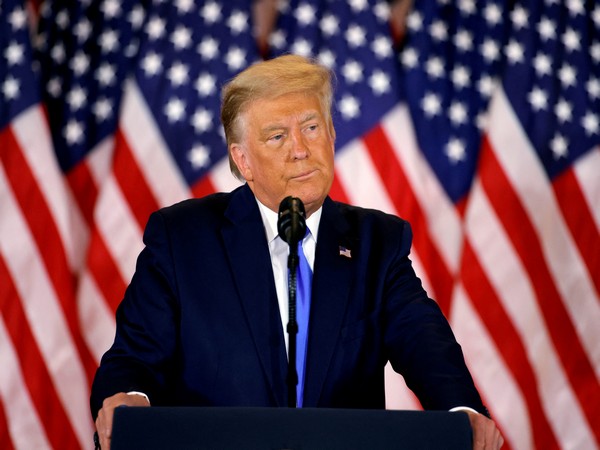
U.S. President Donald Trump ignited trade tensions on Thursday by instituting a 25% tariff on goods from India. The decision followed lengthy negotiations that faltered over access to India's agricultural industry, which remains a critical area of contention due to New Delhi's protective stance.
The United States has been pushing India to open its markets to an array of American products, notably dairy, poultry, and grains like corn and soybeans. However, India's resistance stems from its ban on genetically modified (GM) crops and cultural aversions to certain U.S. agricultural practices.
With agriculture playing a vital role in India's economy and political landscape, any shift in trade policy poses significant risks. The potential influx of cheaper U.S. imports could disrupt local prices and incite political opposition against Prime Minister Narendra Modi's government, particularly with upcoming state assembly elections in important agricultural regions.


 Google News