

Russia's Strategic Shift: Power of Siberia 2 Pipeline and the Sino-Russian Energy Pact
Russia plans to expand its natural gas supply to China via the new Power of Siberia 2 pipeline from the Arctic gas fields, through Mongolia. Despite not yet agreeing on the project's pricing, this collaboration aims to boost energy connectivity as Russia pivots away from its European market.
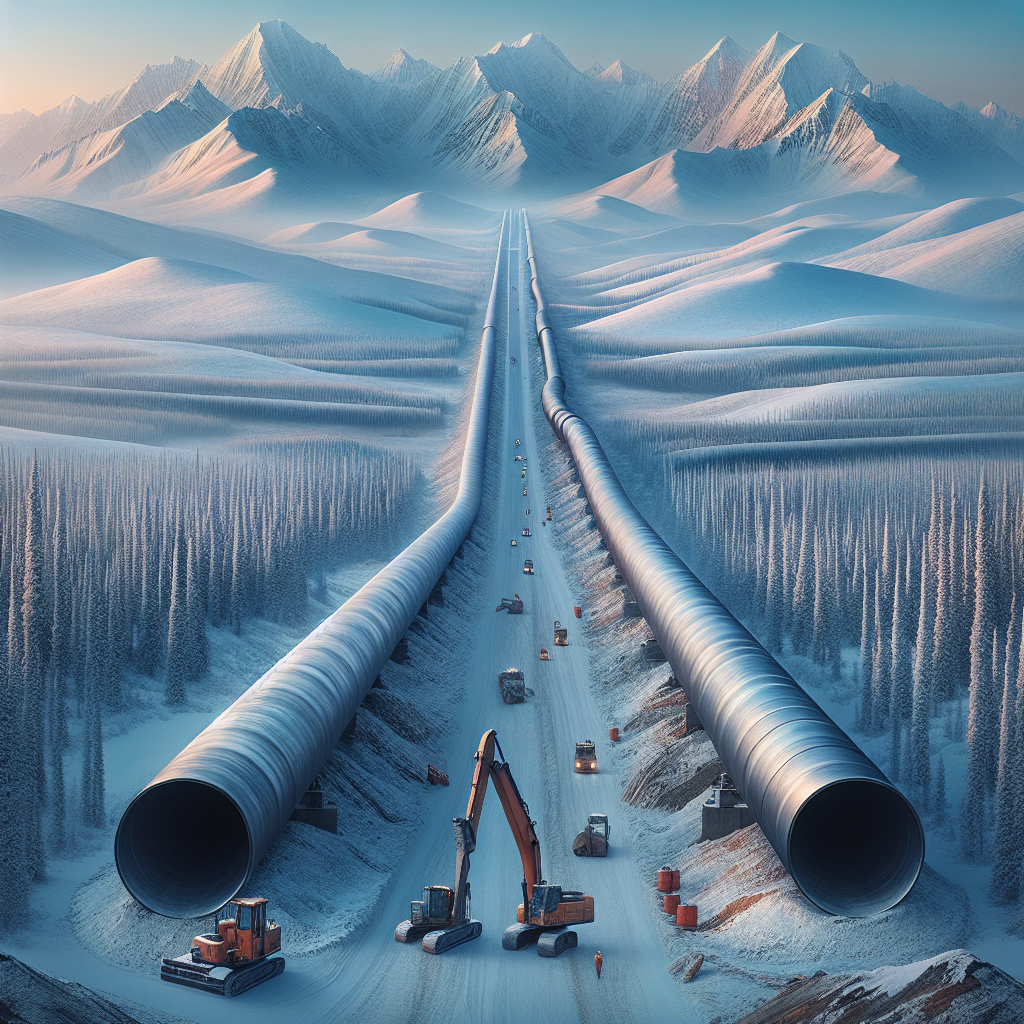
Russia has agreed to increase its natural gas exports to China by utilizing the Power of Siberia 2 pipeline, which will transport gas from the Arctic fields through Mongolia. A memorandum was signed, though pricing details remain unresolved, symbolizing the growing economic relations between Russia and China.
For years, Gazprom has sought a deal with China to expand its extensive network of pipelines, especially since European markets have become less lucrative due to sanctions. Russia's pivot towards China underscores its strategy to realign its energy markets in response to geopolitical dynamics.
The Power of Siberia pipeline, operational since 2019, currently serves as a major conduit for Russian gas to China, with plans to significantly increase its capacity over the next few years. As the West continues to distance itself from Russian energy, this agreement marks a significant economic and strategic partnership between the two nations.
ALSO READ
-
More Than Shorter Commute: How Compact Cities Can Help Migrant Workers Find Jobs
-
Inside Russia’s SMR School, Where Nuclear Experience Shapes Future Energy Decisions
-
ILO Report Reveals How to Bring Social Security Within Reach of Informal Workers
-
WTO Sets Up Panel on EU Carbon Border Rules as Russia Challenges Restrictions
-
WHO Brings Global Experts Together to Strengthen Herbal Medicine Quality and Safety


 Google News