

Mizoram's Railway Revolution: Connectivity and Concerns
Mizoram's new Bairabi-Sairang railway line marks a significant stride in improving connectivity across India's Northeast. While promising economic growth, concerns arise over potential environmental impacts and demographic shifts. This development aligns with broader strategic goals, including the Kaladan Multimodal Project, crucial for regional stability and resource access.
- Country:
- India
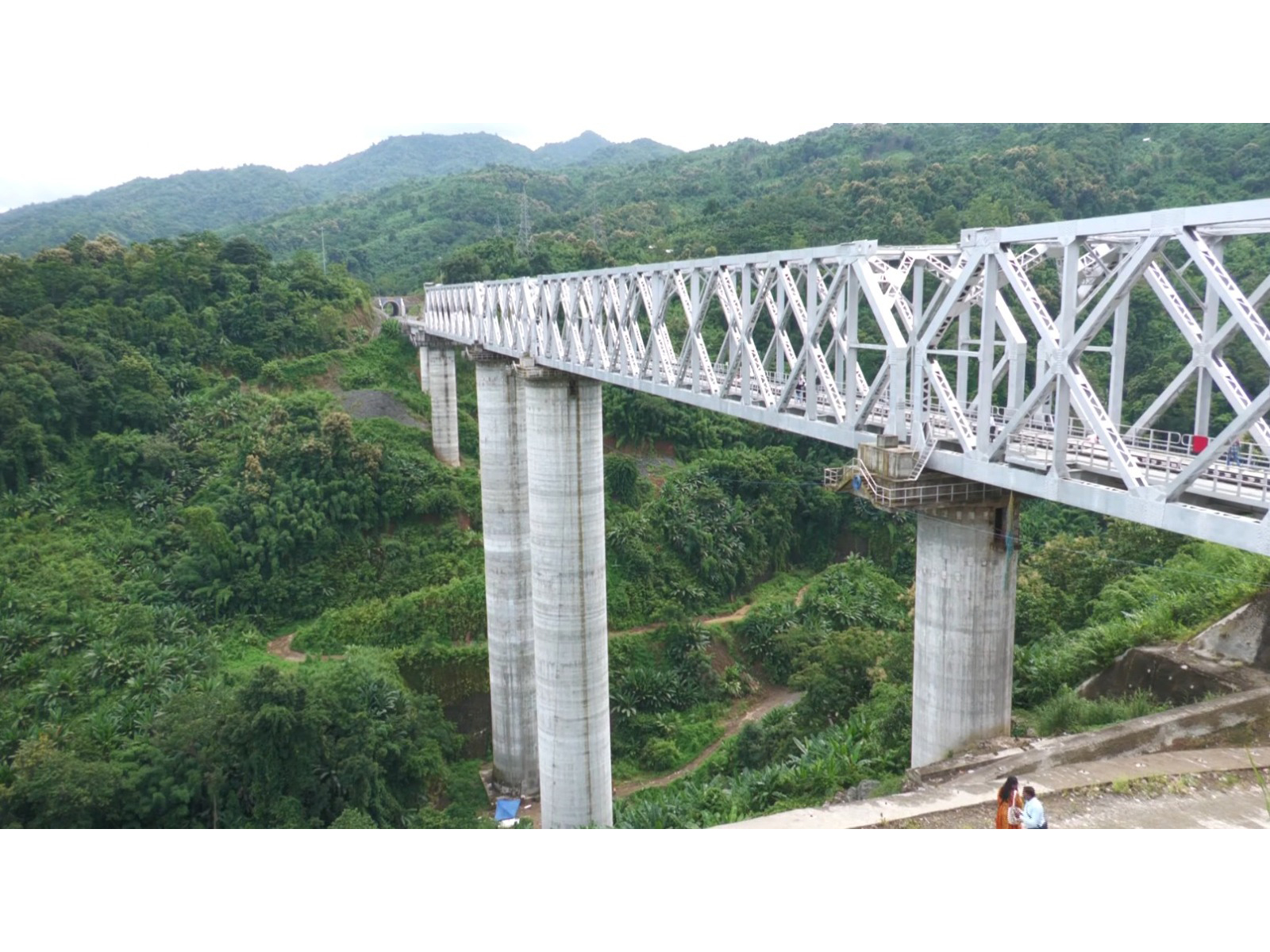
Mizoram's Bairabi-Sairang railway line was inaugurated in a move set to transform connectivity in the Northeastern region of India. It marks a crucial achievement in bridging Mizoram, known for its challenging terrain, with other Indian states through enhanced rail links. Governments are optimistic about the economic upliftment this project promises.
This new railway line follows a series of impactful initiatives aimed at boosting the Northeastern region. It emerges as part of India's ongoing efforts to enhance railway connectivity nationally, evident in the launch of multiple Vande Bharat Express trains. Mizoram, an ethnically diverse state bordered by Bangladesh and Myanmar, stands to gain significantly in terms of economic growth.
However, the project has attracted scrutiny over its environmental implications and potential demographic challenges. Under Article 371 G, Mizoram enjoys special protections concerning land ownership, and any influx of non-locals could strain limited resources. Moreover, ecological concerns, such as deforestation and landslides, are pressing issues that could be exacerbated by increased connectivity.


 Google News