

British Finance Minister Stays Committed to Ending Energy Profits Levy Despite Middle East Conflict
British Finance Minister Rachel Reeves affirmed her commitment to ending the windfall tax on oil and gas profits amid Middle East tensions. The tax, implemented after the Russia-Ukraine conflict, has placed a 78% levy on North Sea producers. Price spikes due to geopolitical events complicate plans to conclude the levy by 2030.
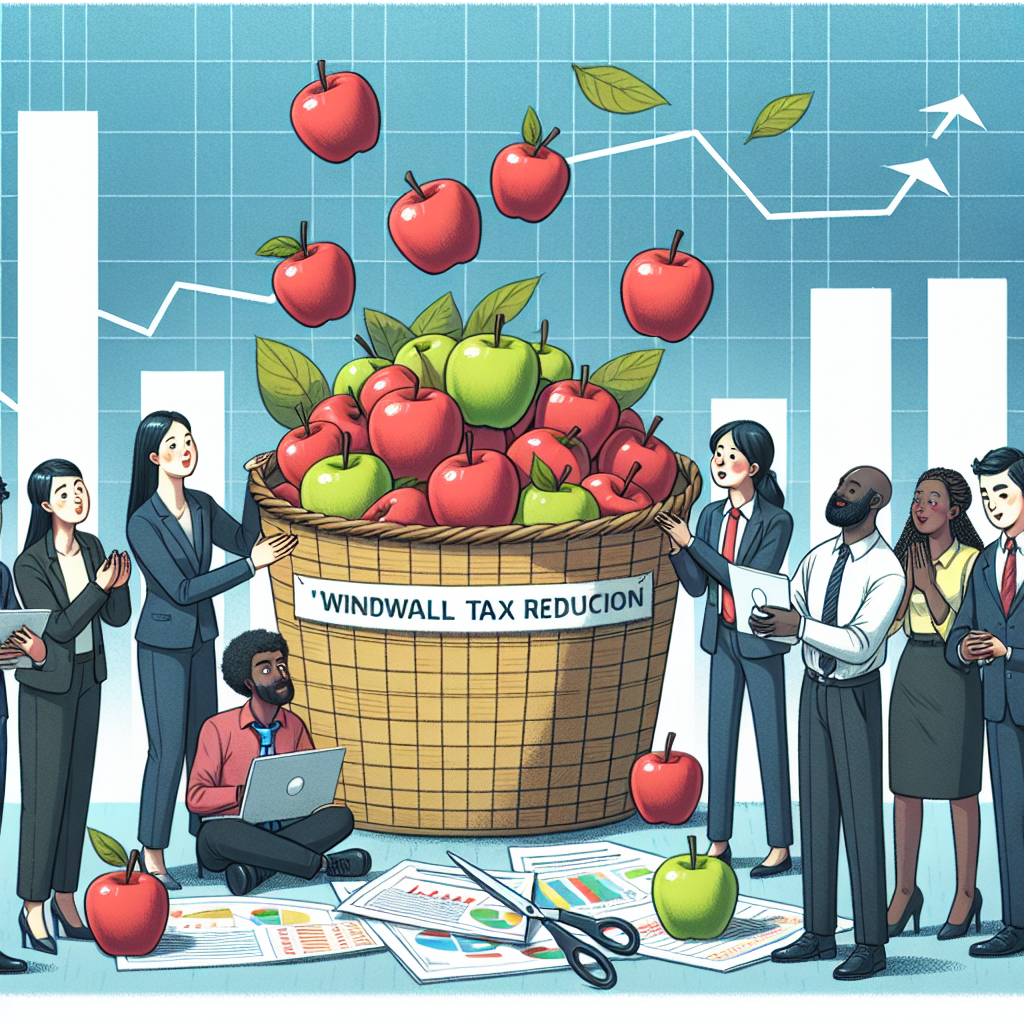
British finance minister Rachel Reeves reaffirmed her commitment to ending the windfall tax on oil and gas profits despite the uncertain geopolitical climate arising from the Middle East conflict. Meeting with industry leaders, she recognized the challenge of fluctuating energy prices but maintained her promise to conclude the levy.
The tax was initially introduced in 2022 following an energy price surge caused by Russia’s Ukraine invasion. The levy increased the effective tax rate on North Sea industry producers to 78%. However, the recent price spikes due to Middle Eastern tensions complicate the timeline for ending this tax.
While Reeves intends to end the Energy Profits Levy by 2030, unexpected geopolitical events create uncertainty. The Treasury emphasized her aim to provide clarity to the sector, even as significant oil price fluctuations have prompted forecasts of rising energy bills for consumers.


 Google News