

Tensions Flare: US Seizes Iranian Cargo Ship Amid Renewed Conflict
The U.S. seized an Iranian cargo ship, intensifying conflict and threatening a brief ceasefire. Iran vows retaliation, rejecting further peace talks, while blockades persist, impacting oil prices. Trump's threats and diplomatic setbacks underscore the fragile situation. Global markets react as tensions impact energy supplies, triggering economic uncertainties.
The United States seized an Iranian cargo ship on Sunday, escalating tensions and jeopardizing a short-lived ceasefire between the two nations. The capture spurred Iran's threats of retaliation and refusal to engage in further peace talks. This move raises concerns about the stability of efforts to solidify peace in the volatile region.
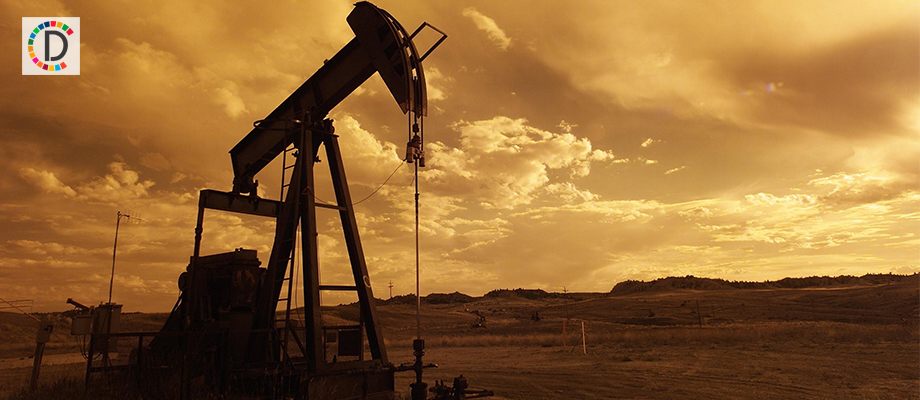
Blockades by both countries remain in effect, with global oil prices experiencing fluctuations due to the restricted passage through the Strait of Hormuz. U.S. military actions have prompted economic ripples, as seen with a significant uptick in Brent crude futures and a dip in S&P 500 futures. The geopolitical landscape remains fraught with uncertainty.
The international community watches closely as diplomatic negotiations flounder. The U.S. grapples with setting the stage for future talks, amid Trump's continued aggressive rhetoric. As Islamabad prepares for the arrival of U.S. envoys, the situation remains precarious, leaving the potential for a surge in oil prices and further economic instability.


 Google News