

Navigating the Nutrition Maze: The Intersection of Health and Sustainability
The global food system accounts for about 30% of annual greenhouse gas emissions. With conflicting advice on health versus environmental sustainability, researchers in New Zealand have developed a computer-based dietary optimisation tool. The tool aims to design diets that are sustainable, nutritionally adequate, affordable, and culturally acceptable.
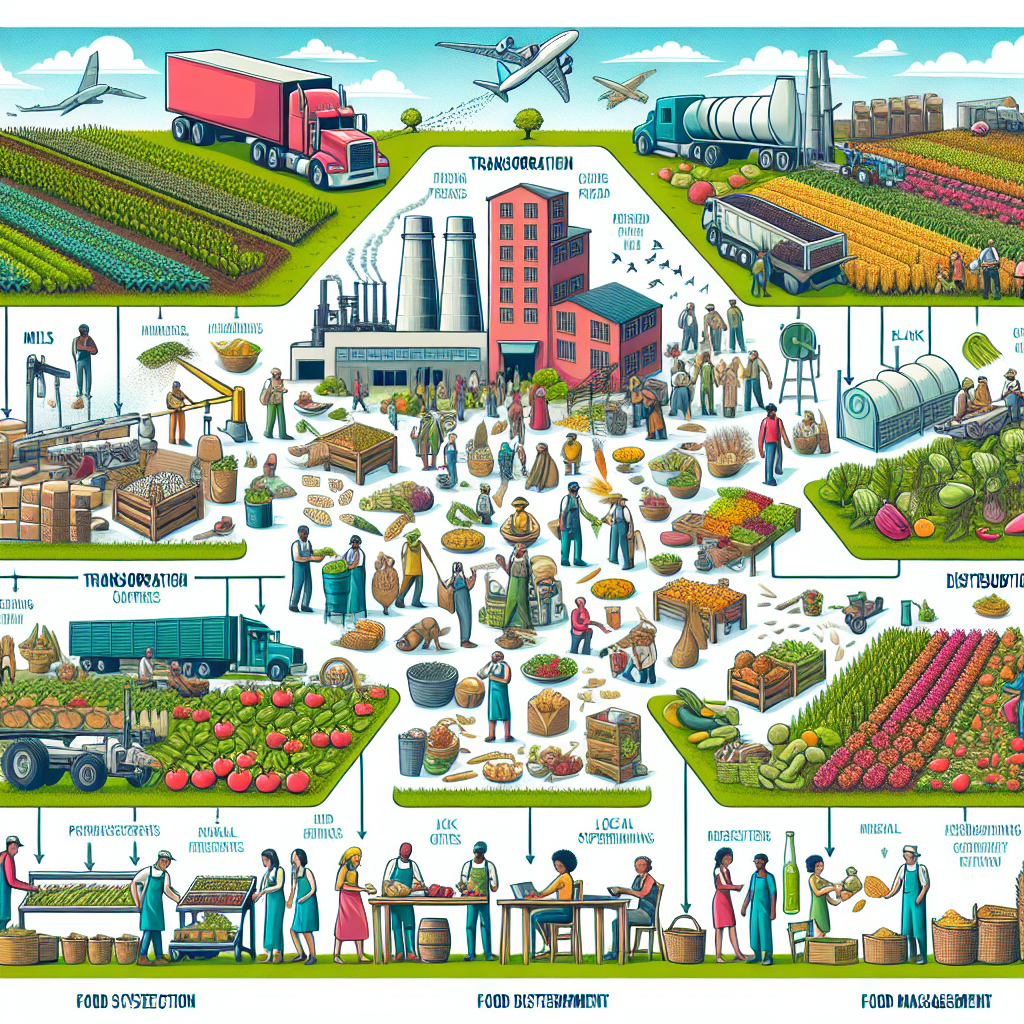
By Mahya Tavan, Sustainable Nutrition Initiative in Palmerston North Palmerston North (New Zealand) June 17 (360info) — Navigating the labyrinth of health-centric and planet-friendly food choices amid a cost-of-living crisis is daunting. Fortunately, research offers a beacon of hope.
About 30% of annual greenhouse gas emissions stem from the global food system. While food production heavily impacts this footprint, our dietary choices play a crucial role, too.
Researchers at the Riddet Institute in New Zealand have pivoted to mathematical modelling. Their dietary optimisation tool, iOTA Model, aligns nutrition and sustainability by suggesting diet patterns that are nutrient-adequate, affordable, and culturally fitting—all with minimal deviation from current habits.
ALSO READ
-
"Whatever we do as parliaments should be people-centric": Ugandan MP Joel Ssenyonyi at BRICS Parliamentary Forum
-
"Exchanged perspectives on wide range of issues": PM Modi on interaction with BRICS parliamentarians
-
12th BRICS Parliamentary Forum: Delegations from 21 nations arrive in New Delhi; PM Modi to meet Speakers today
-
The Creative Advantage: Sustainable Leadership in Digitally Evolving Business World
-
Resilience Stands Out: Saudi Telecom Managers Put Human Skills in Industry 5.0 Frame


 Google News