

Understanding the Rising Threat of Alcohol-Related Liver Disease
New research highlights a significant increase in liver disease, exacerbated by rising alcohol consumption. Both moderate and heavy drinking contribute to liver damage, with binge drinking particularly harmful. Effective policies could reduce alcohol-related liver disease rates, which have surged in Canada and the United States over the past two decades.
- Country:
- Canada
Recent research has unveiled a troubling surge in liver disease, closely linked to increasing alcohol consumption. This trend marks a substantial public health concern, as evidence mounts regarding the harms of both moderate and heavy drinking levels.
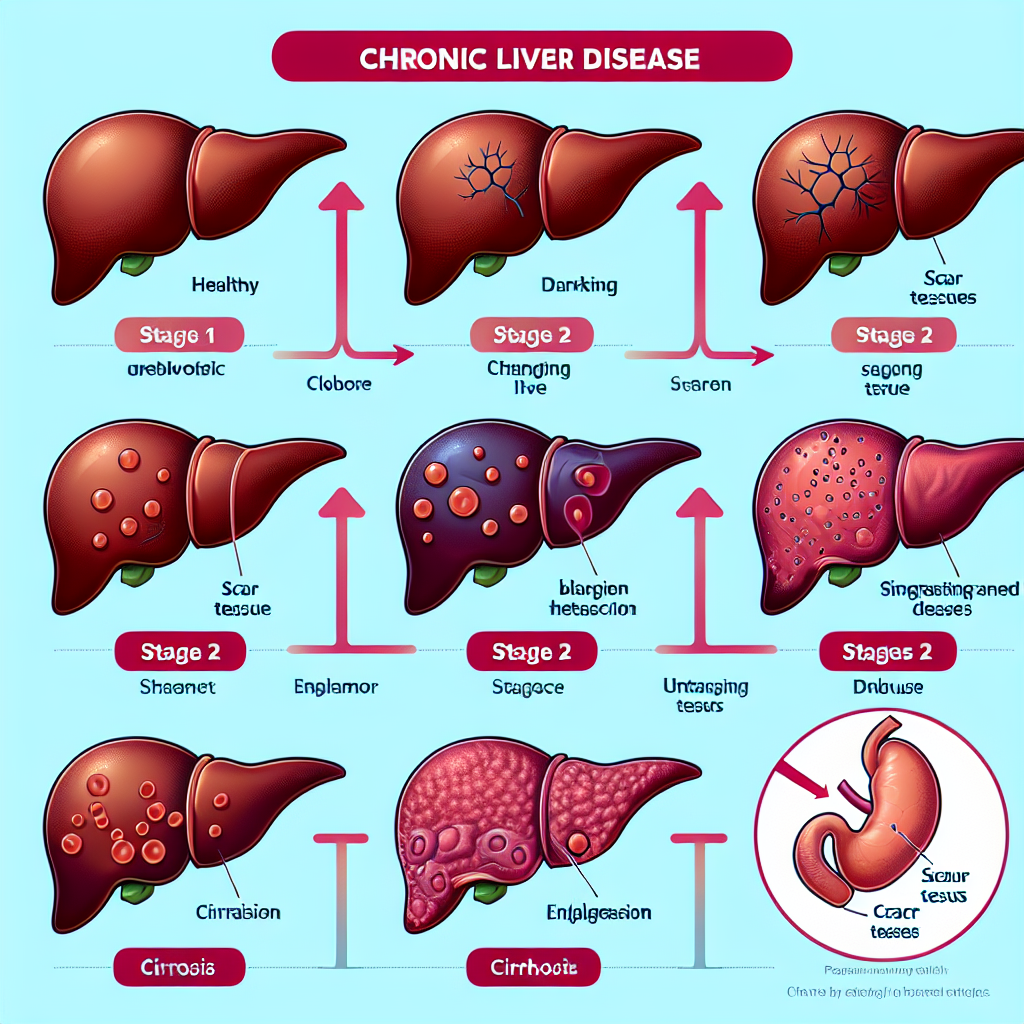
Internal medicine physicians and epidemiologists observe significant overlap between alcohol use and liver disease, emphasizing the liver's critical role in metabolism and immune function. Alcohol, primarily metabolized in the liver, can cause inflammation and damage at the cellular level, eventually leading to conditions like hepatitis and fibrosis.
To combat the rise in alcohol-related liver disease, experts call for comprehensive public health strategies. Such measures include more stringent alcohol control policies, targeting consumption through increased pricing, limited availability, and reduced marketing appeal. These steps, they argue, could effectively lower the incidence of liver disease and its associated complications.


 Google News