

WHO Urges Wider Newborn Screening to Save Young Lives
WHO Director-General Dr Tedros Adhanom Ghebreyesus said every child deserves the opportunity for a healthy future and that timely screening provides one of the most effective ways to achieve that goal.
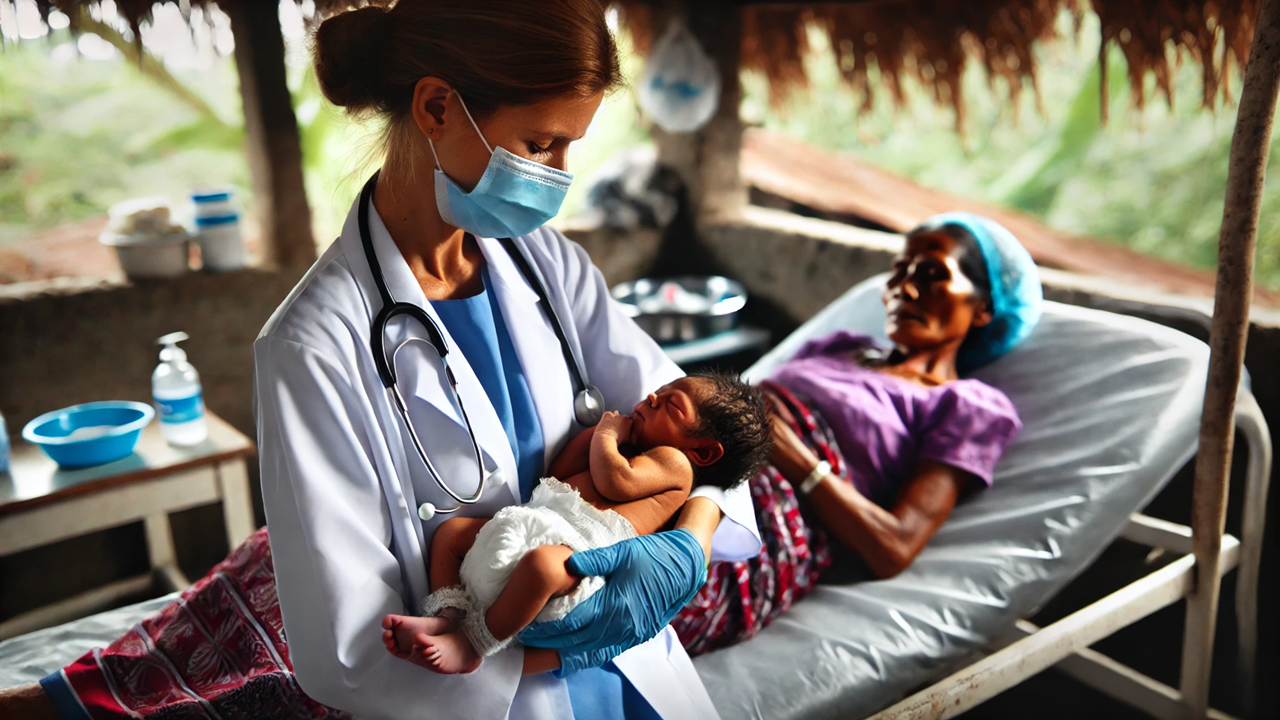
The World Health Organization is calling on governments around the world to expand newborn screening programmes, saying early detection of birth defects and congenital conditions can dramatically improve survival rates and reduce lifelong disability for millions of children.
The appeal accompanies the release of a new WHO report, Strengthening Capacity for Newborn Screening, Diagnosis and Management of Birth Defects, which highlights the growing role newborn screening can play in improving child health outcomes.
Health experts say many serious conditions can be successfully treated or managed when they are identified shortly after birth. These include congenital hypothyroidism, sickle-cell disease, hearing impairment and several metabolic disorders. Without early diagnosis, children may face avoidable complications, developmental delays or even premature death.
WHO Director-General Dr Tedros Adhanom Ghebreyesus said every child deserves the opportunity for a healthy future and that timely screening provides one of the most effective ways to achieve that goal. He noted that many countries have already demonstrated how newborn screening programmes can save lives and prevent long-term disability when integrated into routine healthcare services.
Millions of children still lack access to screening
Birth defects remain a significant but often overlooked public health challenge worldwide. WHO estimates that around 8 million babies are born with a birth defect every year, while these conditions account for nearly eight percent of all deaths among children under the age of five. The burden is particularly severe in low- and middle-income countries, where approximately 90 percent of children born with serious birth defects live. In many of these nations, access to screening programmes, specialist diagnosis and treatment services remains limited.
The report highlights major differences between countries. Some health systems routinely screen every newborn for more than 50 conditions, allowing early intervention and treatment. Others lack the infrastructure and resources needed to screen for even a single condition.
WHO is encouraging countries to begin with one priority condition that reflects their specific health needs and gradually expand programmes as expertise, funding and healthcare capacity increase. As progress has been made in reducing deaths from infectious diseases and other preventable causes, birth defects now account for a larger share of under-five deaths in many regions. In sub-Saharan Africa, the proportion of under-five deaths linked to birth defects rose from 1 percent in 2000 to 4 percent in 2023. In South Asia, the figure increased from 3 percent to 11 percent over the same period.
Countries demonstrate success through national programmes
Several countries highlighted in the report show how newborn screening can be successfully integrated into public health systems regardless of income level. Argentina has expanded screening coverage to reach nearly all newborns nationwide, while Brazil has strengthened its programme to include multiple life-threatening conditions. Egypt has incorporated hearing and congenital hypothyroidism screening into primary healthcare services through its national newborn care pathway.
India's national programme has screened more than 28 million children within three years, identifying roughly 900,000 children with birth defects and connecting them to treatment, rehabilitation and long-term support services. In the Philippines, a programme that began in just 24 hospitals now operates through more than 7,000 healthcare facilities and screens newborns for 29 conditions. Screening services are supported through national health insurance and backed by legislation.
Sri Lanka has integrated newborn screening into routine healthcare and now screens around 80 percent of newborns for congenital hypothyroidism. Uganda has established a government-led sickle-cell disease screening programme in high-risk areas, helping affected infants receive treatment and ongoing medical care at an early stage.
WHO says these examples demonstrate that newborn screening can become a routine part of healthcare systems when governments prioritise investment, training and long-term planning. The organisation is urging countries to include newborn screening, diagnosis and treatment services within universal health coverage programmes and routine maternal and child health services. WHO believes wider adoption of these programmes could help reduce preventable child deaths, improve quality of life and ensure more children receive the care they need from the very beginning of life.
ALSO READ
-
Kazakhstan Connects Over 200 Health Workers With Global Clinical Research Experts
-
Higher Tobacco Taxes Cut Smoking and Show How Health Levies Can Change Daily Lives
-
Better Heat Planning Can Protect Crowds and Ease Pressure on Hospitals, WHO Says
-
WHO and KEI Explore Community Rights in Traditional Medicine Research and Innovation
-
Cholera Deaths Rise 30% as WHO Reports Highest Annual Toll in More Than Two Decades


 Google News