

Hormone-Disrupting Chemicals Can Affect Health Before Birth and Beyond, UN Report Finds Evidence
The State of the Science on Endocrine-Disrupting Chemicals 2026 report is the first major global update since the joint UNEP-WHO assessment published in 2012.
- Country:
- West Bank and Gaza
Exposure to chemicals that interfere with the body's hormones can begin before birth and affect health in more ways than previously understood, a new UN report warns. Released today by the United Nations Environment Programme and the World Health Organization, the assessment examines growing evidence of harm to people and wildlife. Its findings highlight the need to identify risks earlier and reduce harmful exposure through everyday products and the environment.
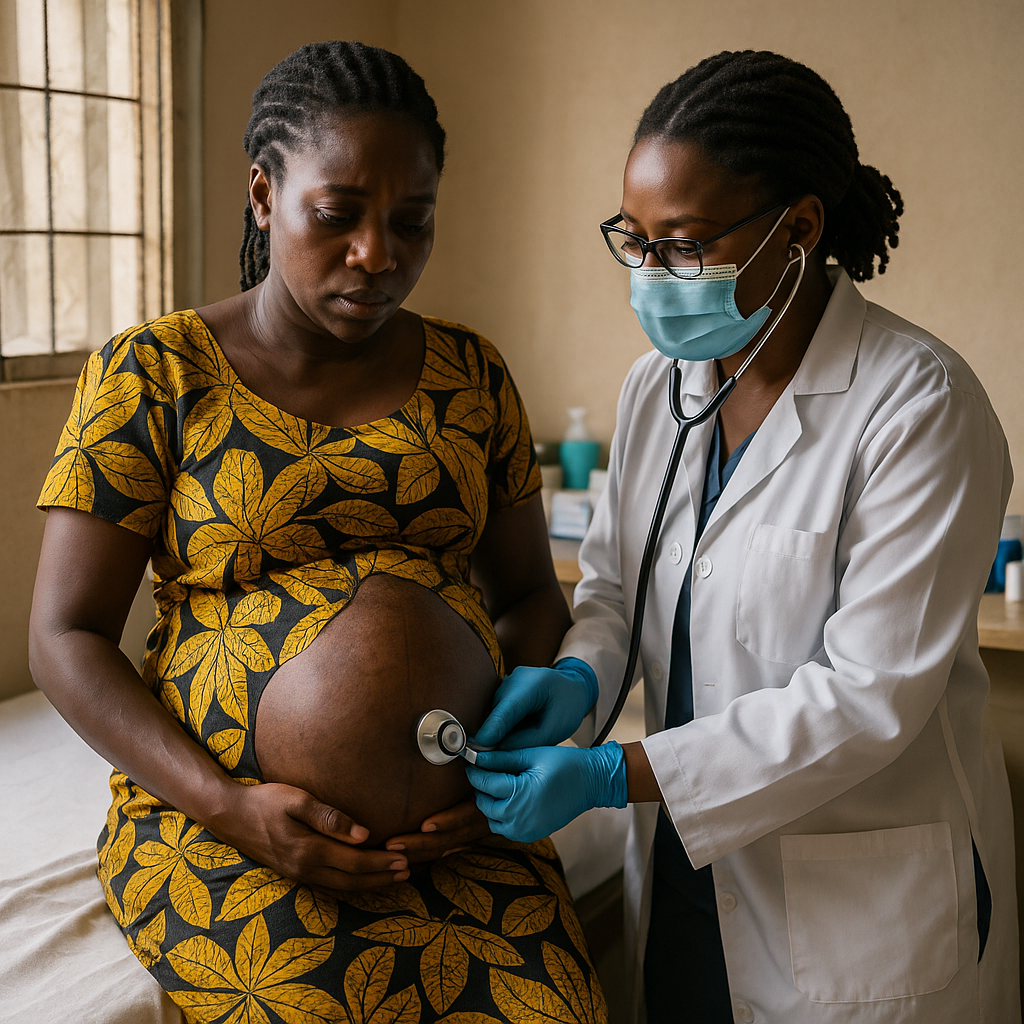
Endocrine-disrupting chemicals, known as EDCs, have been detected in blood, breast milk and cord blood, showing that exposure can occur at the earliest stages of life. Disruption during these sensitive periods can have lasting consequences for brain development, growth and reproductive health. Hormones regulate essential functions throughout life, making interference with these systems a concern extending beyond any single organ or stage of development.
The State of the Science on Endocrine-Disrupting Chemicals 2026 report is the first major global update since the joint UNEP-WHO assessment published in 2012. More than a decade of research has strengthened and broadened the evidence linking exposure to health and environmental harm. The assessment distinguishes well-supported concerns from emerging findings where important scientific questions remain unresolved.
Evidence points to effects across the body and wildlife
Researchers found stronger evidence connecting EDC exposure with effects on fertility, reproductive development, brain development and neurological function. The findings cover thyroid and other hormone regulation, metabolism, immunity and cardiovascular health, revealing the breadth of systems potentially affected. Metabolic liver disease and possible kidney effects are newer areas of concern requiring further investigation to address remaining knowledge gaps.
Fish, birds, amphibians and mammals face risks, with exposure linked to impaired reproduction, development and behaviour across these groups. Sheila Aggarwal Khan, Director of UNEP's Industry and Economy Division, said interference with hormones can disrupt essential functions in humans and wildlife. She warned that the resulting effects can persist over time and, in some cases, become irreversible.
Testing gaps leave chemical mixtures insufficiently assessed
More than 350,000 chemicals and chemical mixtures are registered for production and use globally, but only a small fraction has been evaluated for endocrine-disrupting properties. People and wildlife encounter mixtures of substances in daily life, creating exposure patterns that extend beyond individual chemicals. Many regulatory systems continue to assess substances separately, leaving a gap between how exposure occurs and how risks are evaluated.
Aggarwal Khan said manufacturers have considerable influence over which chemicals enter everyday products through their design and production choices. Early testing, clear disclosure of ingredients and careful substitution can help businesses prepare for regulation and reduce future liabilities. Her remarks place responsibility on companies to examine chemical choices before harmful exposures become embedded in widely used products.
Prevention requires action across industries and governments
WHO's Bruce Gordon called for early identification of risks, stronger scientific monitoring and safer chemicals in everyday products, particularly to protect pregnant women, children and future generations. He stressed that preventing harmful exposure requires coordinated work across sectors to protect health throughout life. UNEP's companion report, From Evidence to Action: Addressing Endocrine Disrupting Chemicals Across Sectors, translates the science into suggested practical measures for policymakers.
The companion report covers food packaging, cosmetics, toys, textiles, healthcare, agriculture, pharmaceuticals, waste and other sectors where decisions can influence exposure. Both publications are being launched at the first International Conference of the Global Framework on Chemicals in Geneva. Governments, industry and civil society are meeting from 16 to 20 November to accelerate efforts towards a planet free from harm caused by chemicals and waste.
ALSO READ
-
A Century After Insulin’s Discovery: WHO's Type 1 Diabetes Guidelines Call for Wider Access
-
Six Months Into DRC’s Ebola Outbreak, Lifesaving Gains at Risk From Conflict
-
From Dengue to Deadly Heatwaves: How AI Is Changing the Fight Against Climate Health Threats
-
Chile's Clean Air Revolution: How Climate Policies Could Save Lives and Protect the Economy


 Google News