

Health News Roundup: Four co-workers in Germany contract coronavirus; WHO weighs science and politics in global virus and more
Following is a summary of current health news briefs.
Teens breathe less secondhand smoke after car smoking ban
A law in the UK banning smoking in cars carrying children has been associated with a reduction in secondhand smoke exposure among teens, a new study suggests. England banned smoking in vehicles carrying kids in 2015, and Scotland followed suit in 2016, researchers note in Thorax. To assess how the first smoking ban impacted secondhand smoke exposure, they examined survey data collected in 2012, 2014 and 2016 from 15,318 teens in England and 822 in Scotland.
Exclusive: OxyContin maker Purdue is 'Pharma Co X' in U.S. opioid kickback probe - sources
OxyContin maker Purdue Pharma LP is the unnamed company that surfaced in criminal charging documents filed earlier this week in a probe of illegal kickbacks from drugmakers, according to people familiar with the matter. Purdue Pharma, which faces U.S. Justice Department probes and sprawling litigation over allegations that it played a central role in the deadly U.S. opioid epidemic, faces new scrutiny in connection with a case Vermont federal prosecutors unveiled on Monday against a San Francisco electronic health records vendor.
Trump administration resolves fentanyl dispute but congressional support needed for a broader crackdown
The Trump administration has resolved an internal dispute over how to handle new variants of fentanyl that it believes can beef up the fight against the deadly synthetic painkiller without hindering research to ease the opioid crisis. The administration had hoped the deal, a copy of which was turned over to the House of Representatives and the Senate in the fall and discussed during a congressional hearing on Tuesday would pave the way for Congress to pass their draft legislation, but so far it has failed to do so.
Four co-workers in Germany contract coronavirus after Chinese colleague visits
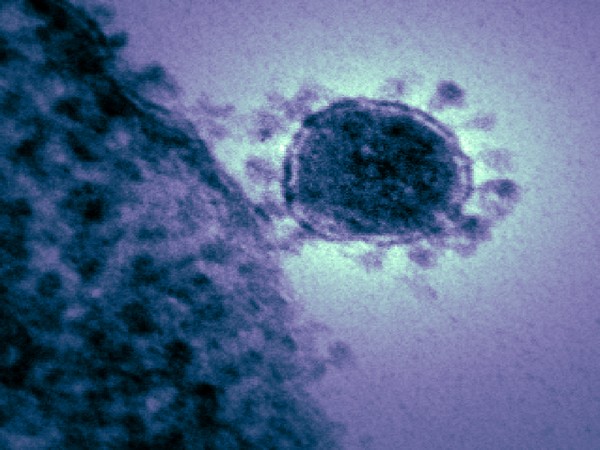
Four people who work at the same company in southern Germany have been infected with the coronavirus, and one of them contracted it from a colleague visiting their workplace in China, officials said on Tuesday. The cases raise concerns about the spread of the flu-like virus that broke out in the central Chinese city of Wuhan at the end of last year and has killed 106 people and infected more than 2,800 people. It spreads in droplets from coughs and sneezes and has an incubation period of up to 14 days.
WHO weighs science and politics in global virus emergency decision
Most of the World Health Organization's (WHO) criteria for declaring a global emergency have been met, but it is awaiting clear evidence of a sustained spread of the new coronavirus outside China before doing so, some experts and diplomats said. The U.N. agency is seeking to balance the need to ensure China continues to share information about the virus while also giving sound scientific advice to the international community on the risks, according to several public health experts and a Western diplomat who tracks the WHO's work.
U.S., Japan pull nationals from China as virus toll jumps
The United States and Japan evacuated their nationals from a quarantined city while British Airways suspended flights to mainland China as deaths from a fast-spreading new virus leaped to 132 and the first cases emerged in the Middle East. Beijing's pledge to slay the "devil" coronavirus has won the trust of the World Health Organization (WHO) but confirmation of another 1,459 cases - taking the total to 5,974 in China - only fueled public alarm around the world.
Where the Purdue Pharma-Sackler legal saga stands
OxyContin maker Purdue Pharma LP and its controlling Sackler family have been negotiating with cities, counties, and states on a proposed settlement worth an estimated $10 billion to resolve more than 2,600 lawsuits alleging they helped fuel the U.S. opioid crisis. Those negotiations could be complicated by a Reuters report on Tuesday that Purdue is the unidentified company that was involved in an alleged kickback scheme aimed at improperly boosting prescriptions of opioid medications, though it was not charged with wrongdoing and has said it is cooperating with Justice Department investigations.
Heavy traffic pollution may affect kids' brain development
High levels of exposure to traffic-related air pollution at a very young age may lead to structural changes in the brain, a new imaging study suggests. Brain scans of 12-year-old children show the reduced thickness of the cortex and decreased gray matter volume in those who lived less than a quarter of a mile (400 meters) from a major highway at age 1, according to a report in PLoS ONE.
CVS to offer diabetes drugs at no out-of-pocket costs for PBM members
CVS Health Corp said on Wednesday its pharmacy benefit management (PBM) unit is launching a new program, under which employers and insurers will be able to offer diabetes drugs, including insulin, at no out-of-pocket costs to their members. The company said the program would not raise costs for health insurers and employers, and eliminating out-of-pocket costs would ensure better adherence by diabetic patients to their drug regimens.
The U.S. reports no new deaths tied to vaping, lung illness cases rise to 2,711
U.S. health officials on Tuesday reported no new deaths from the mysterious respiratory illness tied to vaping after their last update on Jan. 16, keeping the total deaths at 60. As of Jan. 21, the Centers for Disease Control and Prevention (CDC) reported 43 more cases from the illness associated with the use of e-cigarettes or vaping products. The number of people hospitalized now stood at 2,711.


 Google News