

Closing the Gender Gap: How Social Protection Programs Drive Equality and Economic Empowerment
The World Bank report emphasizes the role of social protection programs, like cash transfers and economic inclusion, in addressing gender inequalities, empowering women, and reducing gender-based violence. It calls for expanding gender-responsive systems and improving data collection to enhance coverage and impact for women and girls.
 CoE-EDP, VisionRI
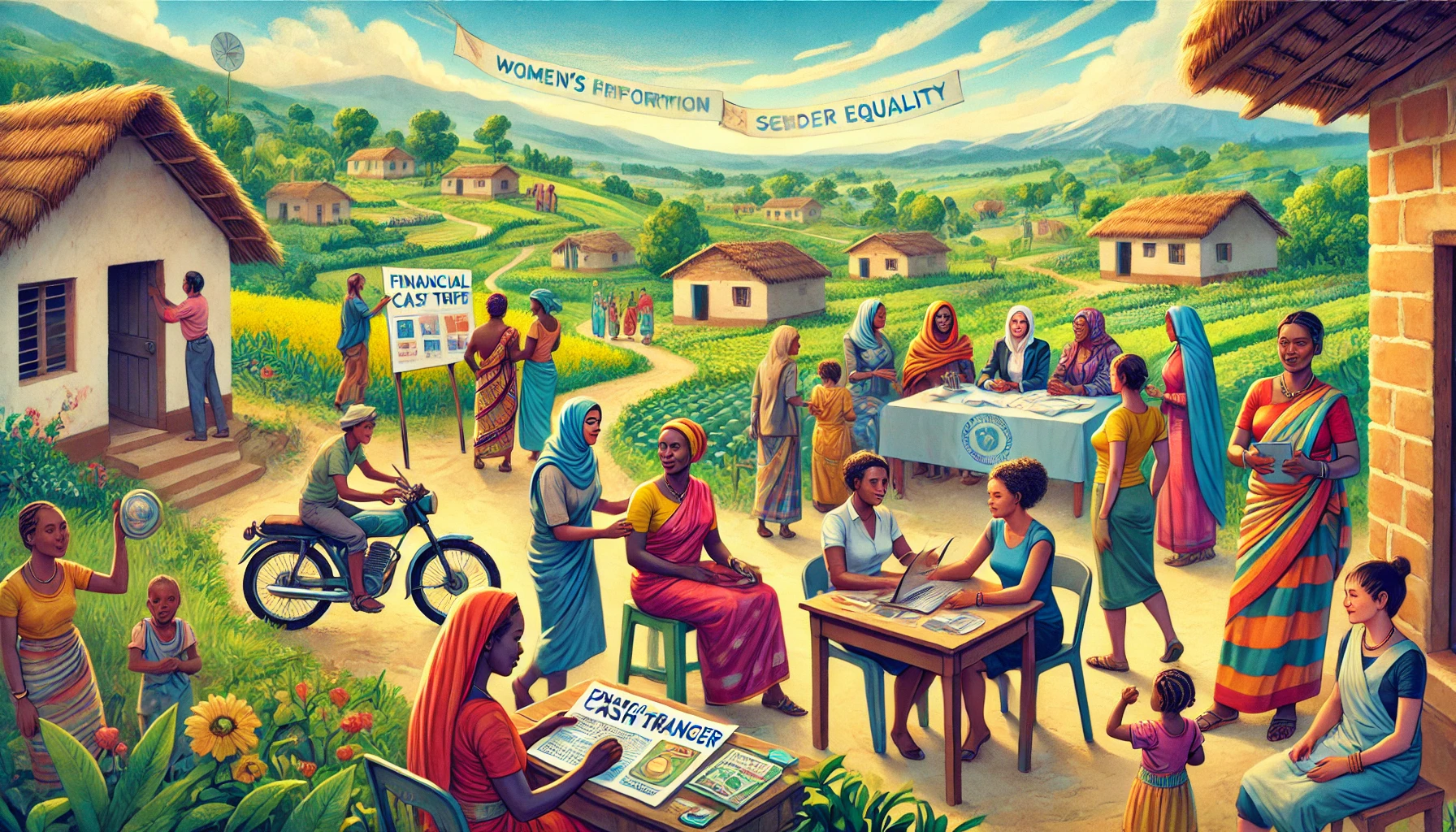
The World Bank report authored by Afrah Al-Ahmadi, Alessandra Heinemann, Lindsay Mossman, and Laura Rawlings, provides an in-depth analysis of how social protection interventions can play a critical role in advancing gender equality and empowering women and girls. It is part of the World Bank Gender Thematic Policy Note Series and aligns with the institution's Gender Strategy for 2024-2030. The note examines the latest research and operational experiences across various regions, demonstrating that social protection measures, such as cash transfers, social insurance, and economic inclusion programs, can effectively address structural gender inequalities, improve economic opportunities for women, and mitigate crises' impacts, such as those related to climate and conflict. Social protection programs not only help individuals, especially women and girls, build human capital and access jobs and financial resources, but they also play a role in reducing gender-based violence (GBV) and shifting harmful social norms.
Persistent Gaps in Global Coverage for Women and Girls
Despite significant progress in extending social protection worldwide, nearly half of the global population still lacks adequate coverage, with women and girls disproportionately affected by these gaps. These disparities are rooted in structural inequalities such as lower formal labor force participation rates, gender pay gaps, and the burden of unpaid care work that falls primarily on women. As a result, women often have less access to income security and unemployment benefits than men, particularly in low- and middle-income countries. The COVID-19 pandemic exacerbated these challenges, worsening economic conditions for women and heightening rates of GBV. It also revealed the need for more gender-responsive social protection systems that can help women recover from the pandemic's economic and social impacts.
The Promise of Cash-Plus Programs for Gender Equality
The report emphasizes the importance of gender-smart social protection programs, particularly cash-plus approaches. Cash-plus programs, which combine financial assistance with services like education, healthcare, vocational training, and support for income-generating activities, have proven particularly effective in addressing complex gender issues. For instance, evidence from Zambia's Girls Education and Women's Empowerment Project highlights the positive impact of such interventions. The program offers cash transfers to poor households, including those with adolescent girls, while providing life skills training and business coaching for women. This multi-layered approach not only improves economic outcomes for women but also helps shift entrenched social norms by engaging men and community leaders in supporting women's empowerment.
Addressing Gender-Based Violence through Social Protection
The document also addresses the role of social protection in reducing GBV, highlighting that cash transfers can lower instances of intimate partner violence (IPV) by improving household income security and reducing stressors that often trigger violence. Moreover, by empowering women economically and socially, social protection programs help strengthen women's decision-making power within their households and communities, contributing to long-term reductions in violence. The World Bank's operational experiences in regions like South Sudan, Zambia, and Cameroon demonstrate that community-based interventions, such as discussion groups and awareness campaigns, can effectively challenge and transform harmful social norms that perpetuate GBV.
Expanding Women's Economic Opportunities through Inclusion
Expanding women's economic opportunities is another critical focus of the report. Economic inclusion programs that provide cash transfers, skills training, and access to financial services have shown success in improving women's employment prospects and income levels. In regions like the Sahel, economic inclusion initiatives have not only improved women's resilience to climate shocks but also enhanced their mental health, social cohesion, and sense of empowerment. These programs, which often focus on the poorest and most vulnerable women, highlight the potential for social protection to drive transformative changes in women's economic participation and leadership.
Overcoming Challenges to Scale Gender-Responsive Systems
However, the report also points out several challenges to scaling up gender-responsive social protection systems. Coverage gaps remain a significant issue, particularly in regions like Sub-Saharan Africa, where only 17% of the population has access to at least one form of social protection. The high levels of informality in women's employment also limit their access to social insurance, such as pensions and unemployment benefits, further exacerbating the gender disparities in social protection coverage. Additionally, the lack of sex-disaggregated data in many countries hampers efforts to assess and address gender gaps effectively. Without individual-level data, it is difficult to measure how social protection programs benefit women and girls specifically, making it harder to design interventions that fully meet their needs.
To maximize the impact of social protection on gender equality, the document calls for several key actions. These include expanding the coverage of gender-smart programs, promoting women's economic empowerment, leveraging cash-plus approaches to challenge harmful social norms, and investing in adaptive social protection systems that can respond to crises and fragility. Furthermore, it emphasizes the importance of collecting and utilizing sex-disaggregated data to monitor progress and improve program targeting. Engaging the private sector in adopting gender-responsive policies and practices is also highlighted as a crucial step toward amplifying the positive impacts of social protection. By working collaboratively across sectors and with a focus on addressing the root causes of gender inequality, social protection programs have the potential to accelerate progress toward gender equality and contribute to broader poverty reduction and economic growth efforts.
- FIRST PUBLISHED IN:
- Devdiscourse
ALSO READ
-
Mexico’s Women Searchers Face Murder and Disappearance as UN Demands State Protection
-
World Bank Backs Tonga’s Push for Better Jobs and Business Growth With $15M Grant
-
Clean Energy’s $2 Trillion Funding Challenge Puts People and Nature in the Spotlight
-
World Bank Approves $110 Million to Rebuild Sri Lanka’s Cyclone-Hit Roads and Lives
-
Vienna’s Vegetable Garden Shows Why Local Voices Matter in Climate Adaptation Plans


 Google News