

UAE's Pioneering Role in Global Energy Transition
The UAE is leading the global energy transition with ambitious strategies and significant investments in renewable energy projects. Spearheading initiatives like Masdar and the Barakah Nuclear Plant, the UAE is committed to achieving net-zero emissions by 2050 and becoming a global leader in hydrogen production.
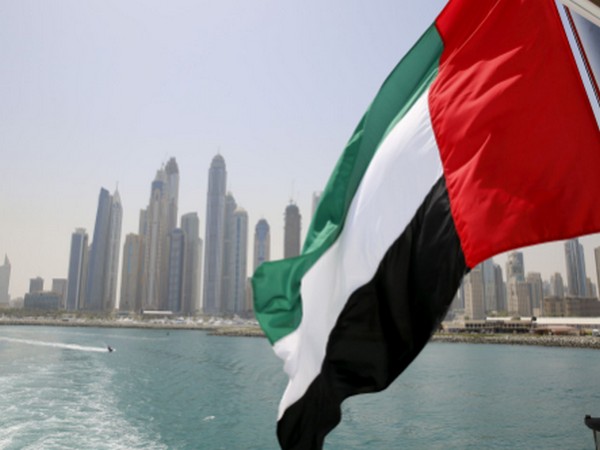
- Country:
- United Arab Emirates
Abu Dhabi [UAE] - The UAE is carving a pioneering path in the global energy transition, propelled by ambitious strategies and investments. Ahmed Al Kaabi, Assistant Undersecretary for the Electricity, Water, and Future Energy Sector at the Ministry of Energy and Infrastructure, highlighted the nation's leadership at a high-level panel by the International Renewable Energy Agency (IRENA).
Al Kaabi emphasized the UAE's early recognition of the need for cleaner energy solutions, citing heavy investments in renewable projects. As the first in the region to sign the Paris Agreement and commit to a net-zero target by 2050, the UAE remains at the forefront of the clean energy shift.
Masdar, a key player in renewable energy, along with the Barakah Nuclear Energy Plant, represents milestones for the country. The UAE's renewable sector, buoyed by projects like the Distributed Solar System, is set to reach 14.2 GW capacity by 2030. Meanwhile, the nation targets becoming a global hydrogen leader, aiming for substantial production growth by 2050.
ALSO READ
-
Clean Energy’s $2 Trillion Funding Challenge Puts People and Nature in the Spotlight
-
EIB Backs Romania’s 1.3 GW Dama Solar Plant With €100m for Energy Growth
-
Naftogaz Sets Out Cleaner Energy Future With EIB Support and 2050 Net Zero Target
-
Benin Secures €500 Million Financing to Expand Public Services and Create More Jobs
-
Europe’s Rare Earth Wake-Up Call: Turning Years of Research Into Factories That Last


 Google News