

Australia seeks to stabilize China ties, says FM Wong ahead of the meeting
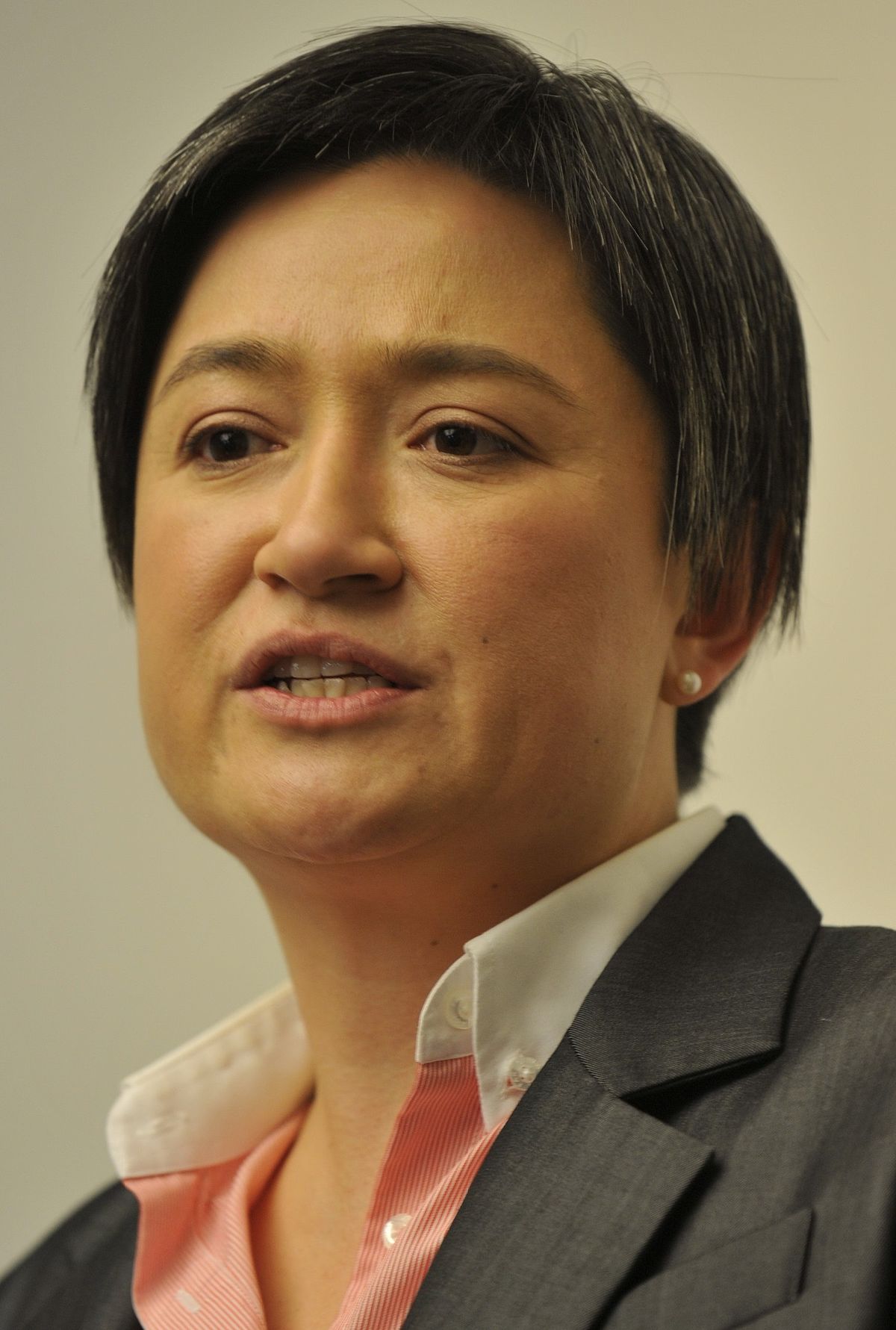
Australian Foreign Minister Penny Wong said the country's new government wants to stabilize its relationship with Beijing but will not make any concessions on national interest when she meets her Chinese counterpart on Friday.
- Country:
- Australia
Australian Foreign Minister Penny Wong said the country's new government wants to stabilize its relationship with Beijing but will not make any concessions on national interest when she meets her Chinese counterpart on Friday. Chinese Foreign Minister Wang Yi will meet Wong on the sidelines of the G20 meeting in Bali on Friday evening, the first meeting between foreign ministers of the major trading partners in three years.
"We all know we have our differences, there are challenges in the relationship. We believe engagement is needed to stabilize the relationship," Wong told reporters in Bali on Friday. China is Australia's largest trading partner and the biggest customer for its iron ore but relations have deteriorated in recent years.
China imposed trade sanctions on Australian products ranging from coal to seafood and wine in response to policies and decisions such as Canberra's call for an investigation into the origins of COVID-19, its 5G network ban on Huawei, and foreign interference investigations. Beijing has called for Australia to take "concrete actions" to repair the relationship, without detailing what these would be.
"We won't be making any concessions when it comes to Australia's national interests," Wong said on Friday. Since being elected in May, Prime Minister Anthony Albanese's government has said it wants China to withdraw the trade measures that it has taken against Australia. Wong has also raised concerns about two Australian journalists detained in China and awaiting verdicts in national security cases.
China's new ambassador to Australia, Xiao Qian, said in a recent speech Australia should respect China's socialist political system, have "favorable and fair" economic policies, be rational on security, and cooperate in regional affairs. The meeting between Australia and China in Bali comes days ahead of a Pacific islands leaders' meeting in Fiji. China's push to extend its security ties in the South Pacific, which is opposed by Australia, will be discussed at the meeting in Fiji.
On Friday, Albanese said the Pacific region was in a period of strategic competition and that Australia wanted to remain the security partner of choice for its Pacific islands neighbors. "Under Xi, China has changed its position. It is more forward-leaning, it is more aggressive," he told reporters in Sydney at a joint press conference with his New Zealand counterpart.
"Australia's position is that we will continue to engage and co-operate, we want to co-operate with China where we can. But we will stand up for Australian values when we must."
ALSO READ
-
East Asia’s AI Boom Fuels Growth and Opens a New Path to Better Jobs
-
ADB’s $15m Deal Backs Naoero Airlines Upgrade to Strengthen Pacific Air Links
-
New Zealand Gives NZ$300,000 to Help Developing Countries Build Safer Food Trade
-
Pacific Leaders Back Stronger Early Warnings as Cascading Hazards Threaten Islands


 Google News