

Special Report: Pollution without borders
- Country:
- United Kingdom
Air pollution is linked to 1 in 9 deaths globally. At the end of last month, the United Nations General Assembly passed a resolution recognising that a clean, healthy and sustainable environment is a human right. The Assembly called upon countries, international organisations, businesses and others to enhance international cooperation to ensure cleaner land, air and water for all.
It comes ahead of the first meeting in October of a new international task force on air pollution, which also aims to strengthen international cooperation.
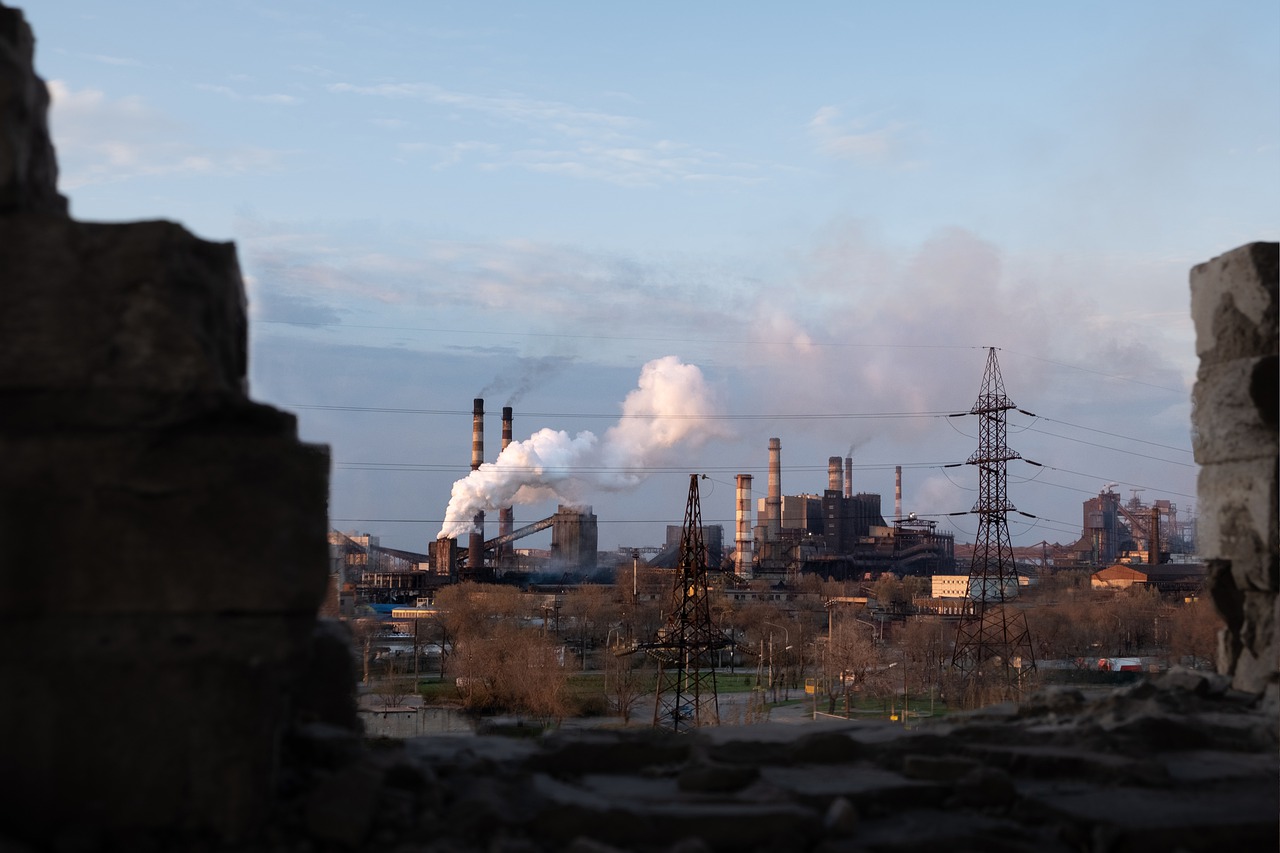
Increasingly, the boundary-defying nature of pollution is being recognised. A smoke stack in one country chokes the air of neighbouring nations almost as much as its own. It's a situation Southeast Asia is intimately familiar with: forest fires in Indonesia often blanketing the region in smoke at this time of year.
And as globalisation continues, goods are increasingly manufactured in developing economies; the associated pollution of production effectively exported to nations with less stringent air quality regulation. Almost everyone in the world is breathing unhealthy levels of air pollution, with people in low and middle-income countries suffering the highest exposures.
Technology exists to prevent air pollution. It then becomes a matter of political will to see it applied. As with the UK in the 1950s, Europe in the 1970s, and China in the 2000s, people won't tolerate foul air forever. The pressure is rising for nations to work together to create global standards on air quality and bring their most polluting neighbour up to them.
At the General Assembly, UN Environment Programme (UNEP) executive director Inger Andersen urged "all nations of the world to get to work – so we can place a healthy environment at the centre of human wellbeing, sustainable development and the enjoyment of all human rights''.
REALITY CHECK Almost the entire global population (99 per cent of us) breathes air that exceeds World Health Organisation air quality recommendations, threatening our health.
If we continue business as usual, air pollution will cause 40 per cent more premature deaths than today.
Over 6,000 towns or cities in 117 countries monitor pollution from coarse and fine soot particles (PM10 and/or PM2.5).


 Google News