

India's Historic Legal Overhaul: A New Dawn in Criminal Justice
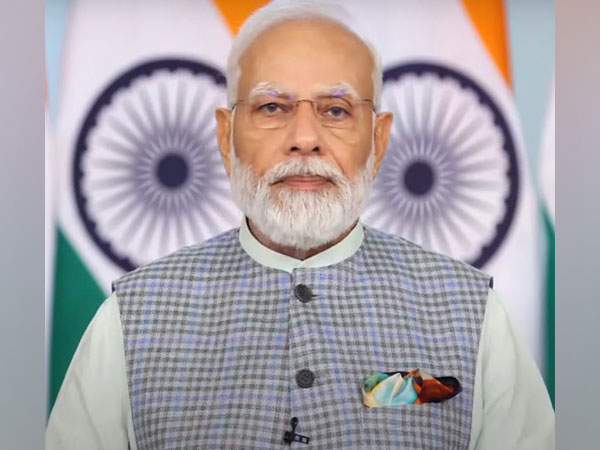
Prime Minister Narendra Modi inaugurated three new criminal laws aimed at modernizing India's justice system, replacing British-era statutes. Fully implemented in Chandigarh, these laws promise rapid justice within three years of an FIR. The initiative underscores India's commitment to updated legal frameworks addressing contemporary issues like cybercrime.
- Country:
- India
In a significant move towards modernizing India's legal system, Prime Minister Narendra Modi on Tuesday announced the nationwide implementation of three new criminal laws: Bharatiya Nyaya Sanhita, Bharatiya Nagarik Suraksha Sanhita, and Bharatiya Sakshya Adhiniyam.
Replacing the colonial-era Indian Penal Code, Code of Criminal Procedure, and Indian Evidence Act, these laws came into effect on July 1, positioning Chandigarh as the first administrative unit with complete implementation. Union Home Minister Amit Shah highlighted their promise to deliver justice within three years of an FIR, making India's justice system one of the most advanced globally.
The new legislation aims to address challenges like cybercrime, expressing a milestone reform for transparency and efficiency. The laws were demonstrated live at an event attended by prominent figures, including Punjab Governor and Chandigarh Administrator Gulab Chand Kataria.


 Google News