

The Sound of Deception: Unmasking AI Voice Cloning Threats
AI technology is making it easier to clone voices, posing a threat to democracy and personal identity. Current Australian laws are inadequate to protect individuals from unauthorized use of their image or voice. Establishing personality rights like in the US could provide better protection against harmful deepfakes.
- Country:
- Australia
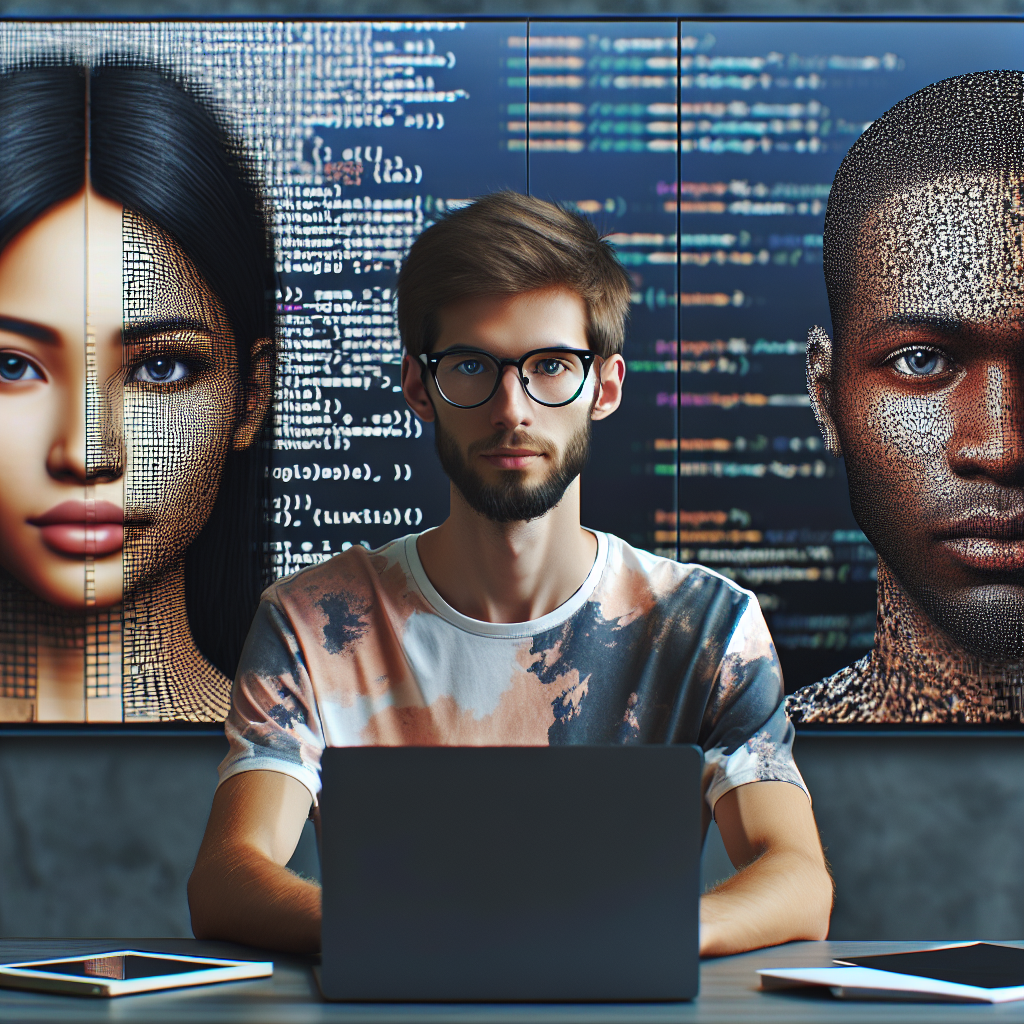
Artificial intelligence has made voice cloning accessible, costing as little as 100 Australian dollars to replicate a public figure's voice, like Senator Jacqui Lambie. This surge in AI-driven deepfakes poses risks to democratic processes and personal identities.
Australia's current legal framework, including copyright and consumer protection laws, struggles to address these threats adequately. Issues arise when AI-generated clones lack original human authorship, making them difficult to protect under existing copyright laws.
Some US jurisdictions offer 'personality rights,' protecting individuals' attributes from unauthorized commercial use. Australia should consider adopting similar measures, especially as deepfakes become more prevalent, influencing elections and public perception.


 Google News