

CENJOWS Hosts High-Level Seminar on UAS Warfare and Counter-UAS Strategies
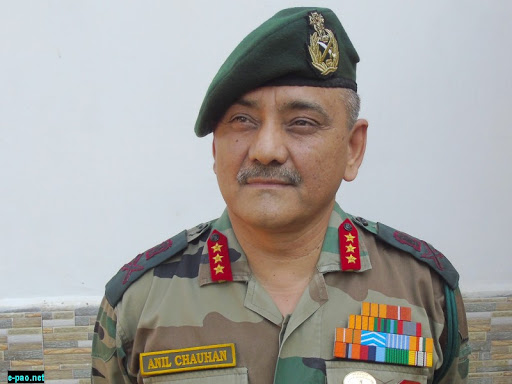
General Anil Chauhan, Chief of Defence Staff (CDS), delivered a keynote address, highlighting the transformative impact of UAS on modern warfare.
- Country:
- India
The Centre for Joint Warfare Studies (CENJOWS) successfully organized a high-profile seminar on "UAS Warfare with Special Focus on Counter-UAS" in New Delhi today. The event brought together top military officials, strategic policymakers, industry leaders, and domain experts to deliberate on advancements in Unmanned Aerial Systems (UAS) and the evolving landscape of counter-drone strategies.
General Anil Chauhan, Chief of Defence Staff (CDS), delivered a keynote address, highlighting the transformative impact of UAS on modern warfare. He emphasized key technological trends—celerity, robotics advancements, and AI-driven intelligence—that make drones highly disruptive tools on the battlefield. Referencing contemporary conflicts, he underscored how drones are reshaping the economics of warfare by providing cost-effective, high-impact solutions.
Gen Chauhan also called for the establishment of a unified vocabulary and doctrinal clarity in the Indian Armed Forces concerning UAS, drones, and uncrewed systems. He outlined the classification of four generations of UAS and stressed the urgent need to develop comprehensive Counter-UAS (C-UAS) systems. Additionally, he advocated for enhanced synergy among end-users, designers, and manufacturers to propel India's self-reliant defence future.
Key Achievements of the Seminar:
1. Showcasing India's Advancements in UAS and Counter-UAS Technologies The seminar highlighted India's progress in indigenous drone development and counter-drone technologies, reinforcing the nation's commitment to self-reliance under the 'Aatmanirbhar Bharat' initiative.
2. Strategic Dialogue on Drone Warfare Experts provided critical insights into India's drone warfare requirements, the integration of AI in unmanned systems, and valuable lessons from ongoing global conflicts. The discussions focused on the operational and strategic imperatives necessary for India to maintain a technological edge.
3. Strengthening Border Security With increasing drone threats along India's northern and western borders, as well as in the Indian Ocean Region (IOR), the seminar focused on the necessity of advanced detection and neutralization systems to bolster national security.
4. Enhanced Collaboration Between Military and Industry Prominent defence industry representatives, including JSW UAV Ltd, Mahindra Defence, Adani Defence Systems, Kepler Aerospace, and Shyam VNL Pvt Ltd, showcased state-of-the-art counter-UAS solutions. The event facilitated direct engagement between military stakeholders and the private sector to drive innovation in drone and counter-drone warfare.
5. Policy Recommendations for a National Counter-UAS Strategy The seminar laid the groundwork for a "Whole-of-Nation" approach to counter-drone threats. Discussions revolved around strengthening legal frameworks, advancing electronic warfare capabilities, and leveraging multi-domain unmanned systems to create a robust national security policy.
High-Profile Participation and Expert Deliberations
Several key military leaders chaired discussions, providing strategic insights into evolving counter-drone strategies. These included Lt Gen NS Raja Subramani, Vice Chief of Army Staff; Air Marshal SP Dharkar, Vice Chief of Air Staff; Vice Admiral Tarun Sobti, Deputy Chief of Naval Staff; and Lt Gen Vipul Shinghal, Deputy Chief of Integrated Defence Staff.
The event also brought together representatives from vital security agencies such as the Border Security Force (BSF), Indo-Tibetan Border Police (ITBP), Coast Guard, and state police forces, ensuring a comprehensive approach to counter-UAS planning and implementation.
An accompanying exhibition showcased groundbreaking advancements in drone and counter-drone technologies, further cementing India's role as a leader in modern warfare capabilities. The seminar reinforced the importance of integrating indigenous technology with strategic policy frameworks to enhance national security and operational preparedness in an era of rapid technological evolution.


 Google News