

South Africa Reaffirms Peace Commitments as SADC Withdraws Troops from DRC
Mashatile paid tribute to the fallen SANDF soldiers, describing them as “brave patriots who gave their lives in the service of peace.”
- Country:
- South Africa
Deputy President Paul Mashatile has reaffirmed South Africa's unwavering commitment to continental peace and security efforts, despite the Southern African Development Community's (SADC) recent decision to begin a phased withdrawal of its military mission in the eastern Democratic Republic of the Congo (DRC).
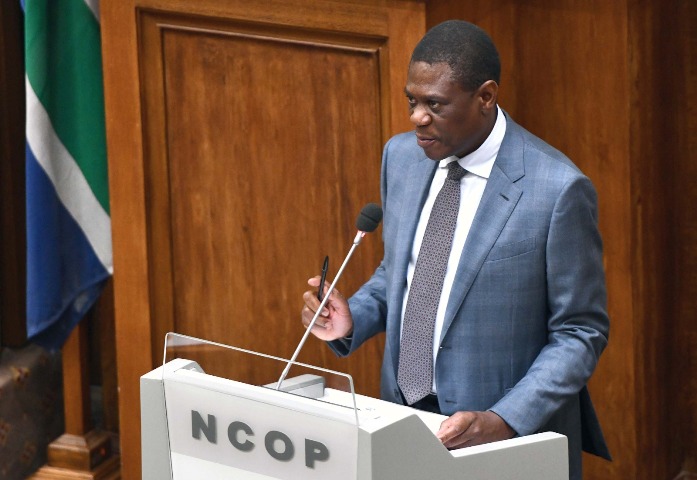
Speaking during a parliamentary session with Members of the National Council of Provinces (NCOP) in Cape Town on Thursday, Mashatile emphasized that the withdrawal of the SADC Mission in the DRC (SAMIDRC) should not be misinterpreted as a retreat or failure in the face of adversity. Instead, he described the move as a strategic confidence-building measure aimed at laying the groundwork for sustainable peace and stability in the region.
Context of the SAMIDRC Withdrawal
The SADC, a 16-nation regional bloc, announced two weeks ago that it would begin withdrawing the SAMIDRC force deployed in the volatile eastern DRC, where armed conflict has escalated significantly in recent months. The mission, established to help restore peace, security, and state authority in Africa's second-largest nation, has faced increasing resistance from rebel groups operating near the Goma region.
Since the beginning of 2025, the mission has experienced tragic losses, with at least a dozen soldiers from the broader SADC coalition losing their lives in combat. Among them were 14 members of the South African National Defence Force (SANDF), who perished in intense fighting between January 23 and 27. Several others sustained injuries in the operation.
Mashatile paid tribute to the fallen SANDF soldiers, describing them as "brave patriots who gave their lives in the service of peace." He extended heartfelt condolences to the families of the deceased and wished a swift recovery to the injured troops.
South Africa's Broader Role in African Peace Missions
Reiterating South Africa's long-standing foreign policy of supporting peace and prosperity across Africa, Mashatile said the country's involvement in peacekeeping missions must be seen within the broader framework of multilateral collaboration.
"South Africa's contribution to peace and support operations should not be measured in isolation," he explained. "We participate through missions mandated and authorised by multilateral institutions such as the United Nations and the SADC."
He further emphasized that South Africa remains steadfast in its dedication to collaborative efforts aimed at resolving regional conflicts, noting that the withdrawal of troops does not signal the end of South Africa's involvement in peace processes.
As part of continued diplomatic engagements, South Africa has welcomed the appointment of former President Kgalema Motlanthe to a high-level mediation panel of former heads of state tasked with promoting peace in the eastern DRC. This panel was announced during a virtual summit held jointly by the SADC and the East African Community (EAC) on Monday.
"We also welcome the government of the DRC and Rwanda's recent commitment to an immediate and unconditional ceasefire," Mashatile noted.
Beyond the DRC, he confirmed that both President Cyril Ramaphosa and himself will remain actively engaged in South Sudan to prevent a return to full-scale conflict and to help facilitate peaceful national elections.
Domestic Focus: Water Services and Land Reform
While addressing questions from members of the NCOP, Mashatile also provided key updates on domestic issues, including the government's efforts to improve water delivery and expedite land restitution claims.
Water as a Constitutional Right
Mashatile reaffirmed the constitutional mandate for access to clean and safe water, describing it as a fundamental human right outlined in Chapter 2 of South Africa's Constitution.
He revealed that President Ramaphosa has established a dedicated Water Task Team, chaired by Mashatile himself, which is working closely with Ministers and Water Authorities to address ongoing water and sanitation challenges across all provinces.
"This Task Team is conducting outreach programmes, site inspections, and oversight visits to directly engage with communities affected by water scarcity and infrastructure breakdowns," he explained.
Progress on Land Restitution and Reform
On the issue of land claims, Mashatile acknowledged the slow pace of restitution but affirmed the government's continued prioritization of finalizing outstanding claims, particularly those known as "old-order" claims submitted before the 1998 deadline.
"Over successive years, we have made good progress in settling land claims and restoring land to dispossessed communities," he said. "However, we recognize that more must be done to fast-track this process."
To support this goal, the government will allocate R11.6 billion over the medium term to settle approximately 844 land restitution claims. Of this amount, R3 billion has been set aside to allocate about 138,000 hectares of land to verified claimants.
The initiative includes not only the transfer of secure, legally registered tenure but also settlement packages aimed at ensuring sustainable land use and development by beneficiaries.
Looking Ahead
Mashatile's remarks reinforced South Africa's dual commitment to international peacekeeping and domestic transformation. Whether on the battlefields of eastern Congo or in the villages still waiting for clean water and rightful land ownership, the Deputy President painted a picture of a country deeply engaged in shaping a better future—both at home and across the continent.
"Through collaboration, leadership, and unwavering commitment to peace and justice, we can build a prosperous Africa, free from conflict and deprivation," he concluded.


 Google News