

South Africa Seeks Diplomatic Solutions Amidst Trump's Tariff Turmoil
South Africa will negotiate for exemptions to U.S. tariffs announced by President Trump, avoiding immediate retaliatory measures. These tariffs impact AGOA benefits for African countries. Ministers stress the need to diversify South Africa's export markets while supporting key affected industries like car manufacturing, agriculture, and metals.
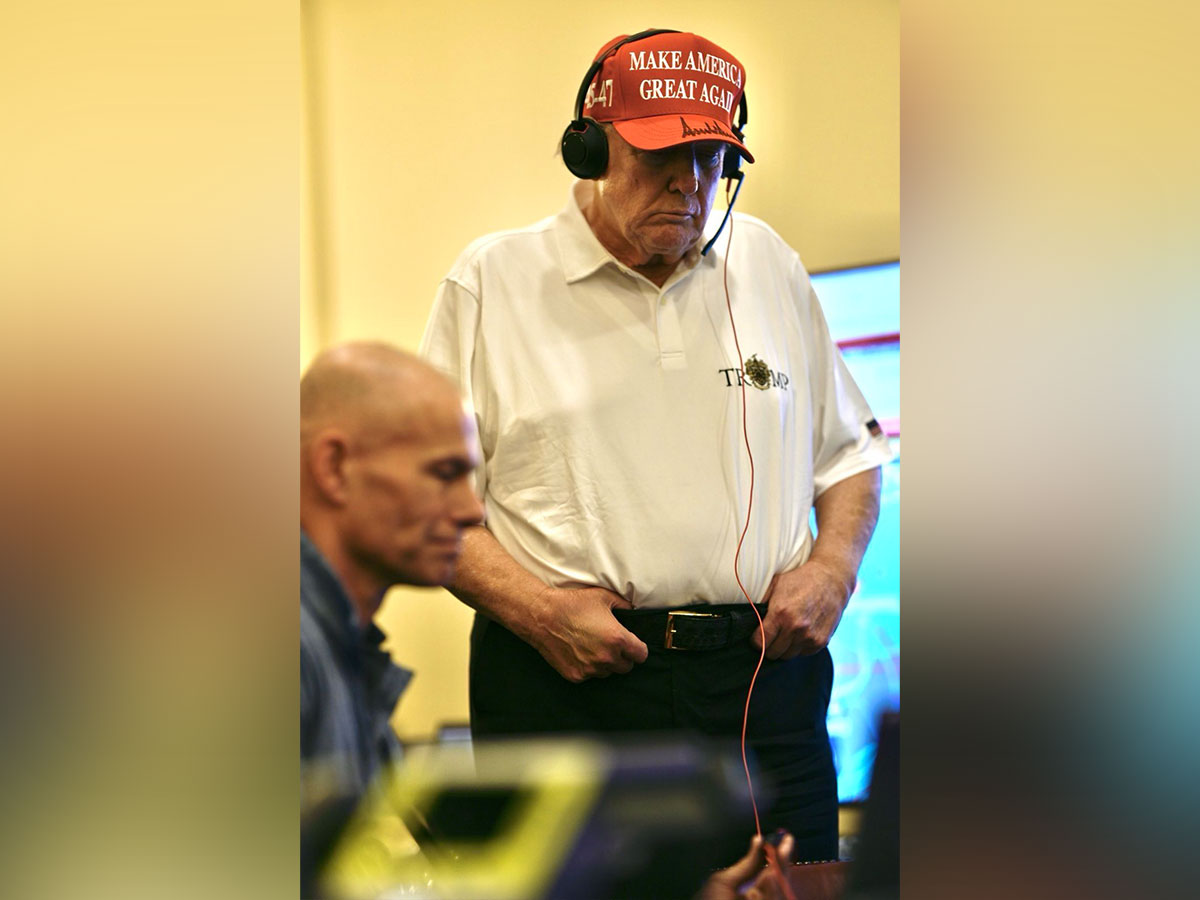
Amid escalating trade tensions, South Africa has opted for negotiation over retaliation in response to the U.S. tariffs imposed by President Donald Trump. These tariffs, particularly impactful on South African exports, have prompted the government to seek economic diversification while negotiating potential exemptions.
Trade Minister Parks Tau emphasized the importance of understanding the U.S. rationale behind the 31% tariff before considering reciprocal measures, highlighting South Africa's average tariff rate of 7.6%. Foreign Affairs Minister Ronald Lamola warned that the tariffs could undermine benefits formerly available under the African Growth and Opportunity Act, which expires soon.
Despite the trade barriers, government officials are committed to supporting affected industries such as automotive, agriculture, and metal production. The central bank has modeled several scenarios predicting minimal impact on economic growth, yet uncertainty looms as the U.S. tariffs threaten a crucial trade relationship.
ALSO READ
-
AfDB selects four green hydrogen projects of $20 million grants in Africa
-
Following Money: South Africa’s Trade Gaps Point to Possible Illicit Flows
-
EU Firms Rethink Supply Chains as Geopolitical Risks Reshape Global Trade
-
Lee Jae Myung's Diplomatic Milestones: Balancing Amidst Global Tensions
-
Diplomatic Moves: Takaichi's UN Meeting with Trump


 Google News