

Trade Tensions Escalate: China's Retaliatory Tariffs and Global Economic Impact
Beijing increased tariffs on U.S. goods to 125%, intensifying global trade tensions. The move follows U.S. President Trump's tariff hikes on Chinese imports. The escalating trade war is causing economic turbulence, with market volatility and concerns about a potential recession looming large.
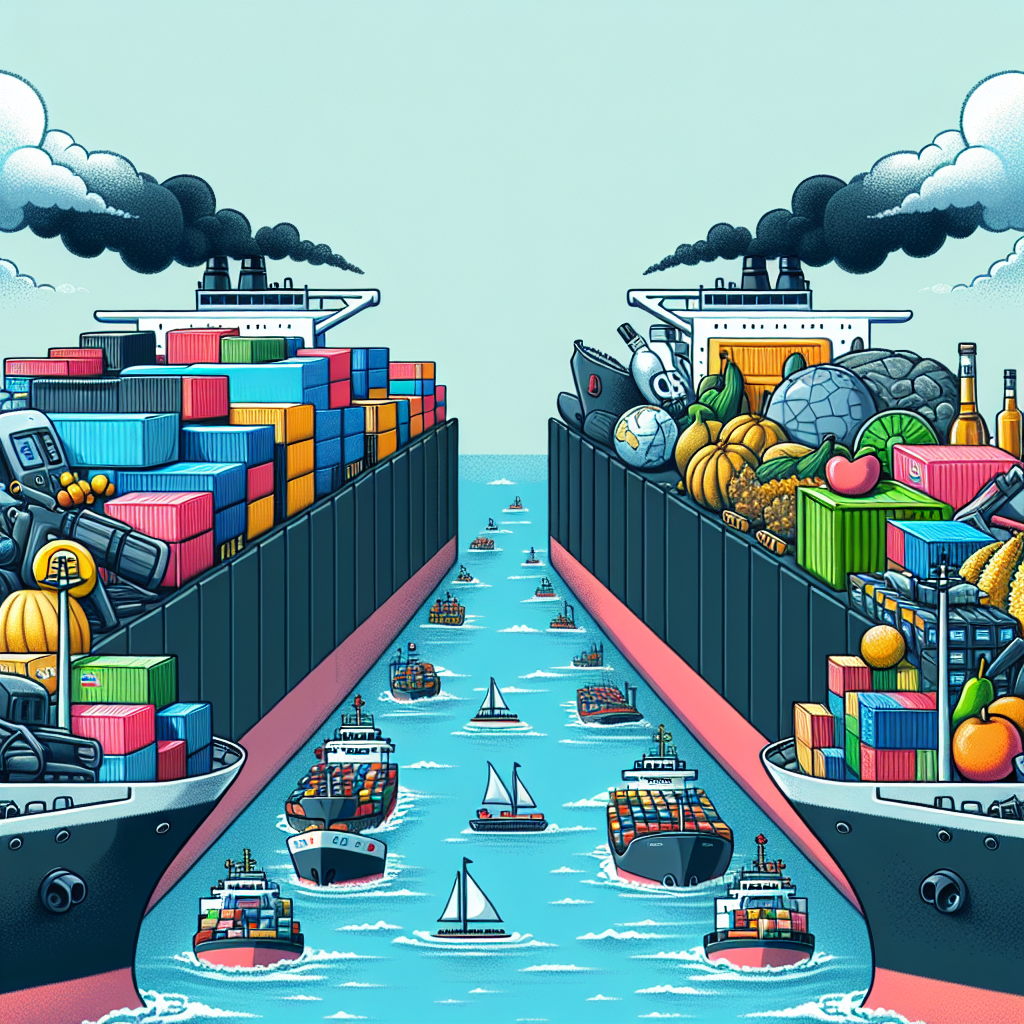
Beijing has retaliated against U.S. tariff hikes by raising its own tariffs on American imports to 125%, escalating the trade war initiated by President Donald Trump. This heightened tension is causing significant disruptions in global supply chains and sparking widespread economic instability.
Adam Hetts, global head of multi-asset at Janus Henderson, emphasized the increased risk of recession. Despite a temporary suspension on tariffs for some countries, Trump's aggressive trade strategy continues to dominate economic discussions, casting uncertainty over U.S.-China relations.
China's latest response includes a refusal to further reciprocate tariff hikes, but tensions remain high, with global markets reacting negatively to the ongoing trade conflict. The volatility is palpable, with investors seeking refuge in gold, and analysts predicting challenging economic times ahead.
ALSO READ
-
ILO Report Reveals How to Bring Social Security Within Reach of Informal Workers
-
WTO Sets Up Panel on EU Carbon Border Rules as Russia Challenges Restrictions
-
WHO Brings Global Experts Together to Strengthen Herbal Medicine Quality and Safety
-
Human Cost of Faster Work: Chinese Employees Weigh AI’s Promise Against Pay Fears
-
China's August Disasters Yield $5.38 Billion in Losses


 Google News