

ADB Launches $86.7M Project to Improve Services for Myanmar Displaced and Hosts
Bangladesh continues to host more than 1 million Rohingya refugees in 33 camps across Cox’s Bazar, with over 36,000 relocated to Bhasan Char, an island in the Noakhali district.
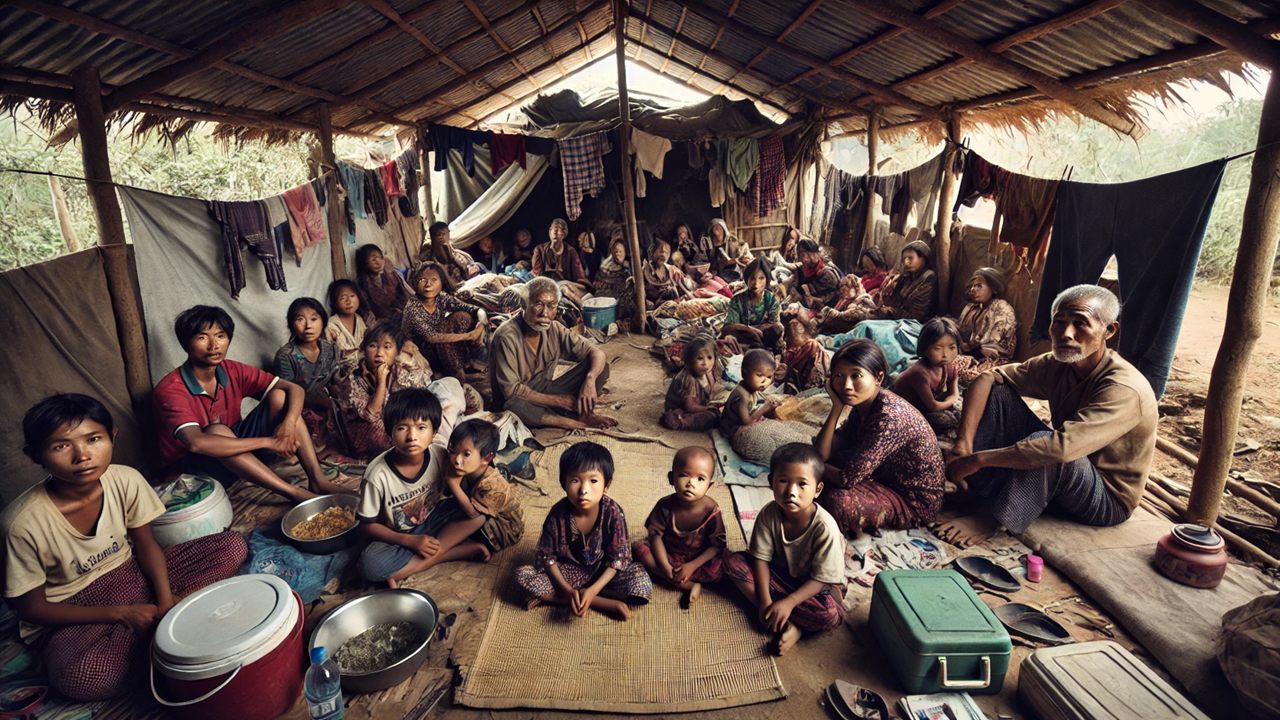
The Asian Development Bank (ADB) has approved a comprehensive funding package to enhance infrastructure and essential services for displaced people from Myanmar (DPFM) and their host communities in Bangladesh. The financing includes a $58.6 million grant from the Asian Development Fund (ADF) and a $28.1 million concessional loan, combining for a total of $86.7 million in support. This strategic intervention aims to uplift living conditions, strengthen resilience, and foster social cohesion across communities affected by the longstanding humanitarian crisis.
The new project—Integrated Services and Livelihood for Displaced People from Myanmar and Host Communities Improvement Project—targets critical areas such as water and sanitation, infrastructure, disaster resilience, and livelihood opportunities. It also strengthens institutional capacities to deliver long-term solutions in the Cox's Bazar and Bhasan Char regions.
A Response Rooted in Urgency and Inclusion
Bangladesh continues to host more than 1 million Rohingya refugees in 33 camps across Cox's Bazar, with over 36,000 relocated to Bhasan Char, an island in the Noakhali district. Roughly 75% of the displaced are women and children, underscoring the importance of inclusive planning and service delivery.
The ADB's support recognizes the dual challenge faced by Bangladesh: addressing the humanitarian needs of displaced populations while preserving social harmony and preventing strain on the local population and ecosystems. As ADB Country Director Hoe Yun Jeong noted, "This new assistance builds on our earlier support—totaling $171.4 million—under the Emergency Assistance Project since 2018, which has played a key role in supporting both displaced and host communities."
Key Components of the Project
1. Infrastructure for Camp Areas (Cox's Bazar and Bhasan Char):
-
Solar-Powered Streetlights: Installed or upgraded to improve safety and extend usable hours of public space.
-
Fecal Sludge Management: Rehabilitation of the system in Bhasan Char to reduce environmental risks and improve sanitation.
-
Biogas for Cooking: Optimization of biogas production systems for safe, sustainable energy solutions.
-
Nature-Based Drainage Solutions: Rehabilitation of canals using environmentally friendly techniques to mitigate flood risk.
-
Food Distribution Centers: Built with universal design principles to improve access for women, children, and people with disabilities.
2. Infrastructure for Host Communities:
-
Multipurpose Cyclone Shelters: These structures in Hatia will serve as both disaster-safe havens and educational institutions.
-
Mini Piped Water Systems: Implemented in nine upazilas of Cox's Bazar to ensure year-round access to clean water.
-
Surface Water Treatment Plant: Located in Palongkhali Union, Ukhia, delivering treated water via a new transmission pipeline to Teknaf, a water-stressed region.
-
Road Upgrades: Improved roads in Cox's Bazar and Bhasan Char to ensure better connectivity and mobility for communities and aid workers alike.
Long-Term Vision: Strengthening Government and Community Resilience
Beyond infrastructure, the project includes a strong governance and capacity-building component. It will enhance the government's ability to plan, implement, and manage complex, multi-sector humanitarian and development projects. By investing in sustainable and inclusive infrastructure, the initiative aims to bridge the humanitarian-development divide, promoting self-reliance among displaced communities while alleviating pressure on host areas.
This initiative reinforces Bangladesh's commitment to protecting vulnerable populations under challenging geopolitical and environmental conditions, while ADB's involvement ensures international standards of planning, environmental safeguards, and social inclusion.
Building on Past Successes
The project follows up on earlier ADB interventions in Cox's Bazar and Noakhali districts, including the Emergency Assistance Project initiated in 2018. That earlier phase, backed by $171.4 million in grants and loans, supported vital works such as shelter construction, basic utilities, and initial road development. The new phase represents a transition to more sustainable and durable solutions, with a clear development-oriented focus.
With this new round of funding and strategic initiatives, ADB is reaffirming its support for one of the world's most protracted humanitarian crises—while paving the way for development-led stability and resilience in one of the most climate-vulnerable and socially sensitive regions of South Asia.
ALSO READ
-
ADB Backs Indonesia With $650 Million to Expand Markets and Safer Digital Finance
-
ADB Approves $100 Million to Build Job Skills for Young Sri Lankans
-
Can Microfinance Close Bangladesh’s Housing Gap? A $100 Million ADB Project Puts It to the Test
-
Bangladesh Secures $100m ADB Loan to Help 40,000 Families Build Safer Homes
-
ADB’s Five-Year Plan Backs Better Services and More Jobs Across Papua New Guinea


 Google News