

Ecuadorian President Marches Against Court's Suspension of Security Laws
Ecuadorian President Daniel Noboa led a protest against the constitutional court's suspension of certain security laws, which critics claim threatens judicial independence. The UN and Ecuador's National Justice Court emphasized the need to uphold judicial impartiality, while the debate continues amid concerns over judges' safety and law enforcement reforms.
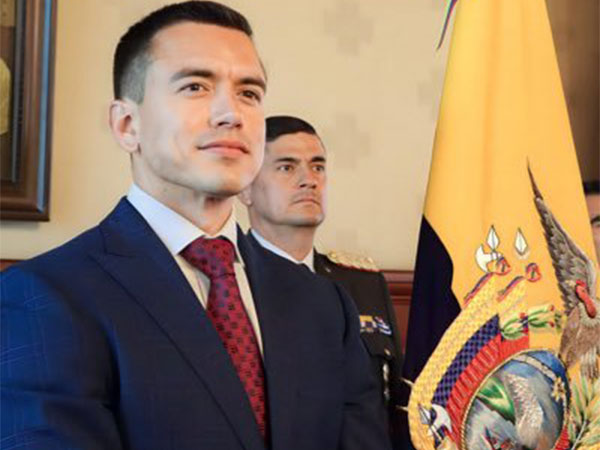
Ecuadorian President Daniel Noboa spearheaded a march on Tuesday against the constitutional court's decision to temporarily place certain security laws on hold. While Noboa maintains the protest aims to sustain critical actions against criminal gangs, opponents argue it undermines judicial independence, pressuring judges to align with government reforms.
A United Nations human rights authority stressed the necessity for the court's independence, as did the National Justice Court, advocating for resolving disputes through due process. The contested suspension followed claims from rights groups that the laws, which include clauses for security force immunity and data disclosure, could infringe on citizens' rights.
Dramatic billboards along the march route displaying the images of the constitutional court's judges suggested they were obstructing societal peace. Though Noboa's staff denied government sponsorship of these ads, concerns about judges' safety and court independence were heightened. The court now urges resolution through public hearings scheduled for the following week.


 Google News