

Bridging the Divide: Addressing Human-Wildlife Conflict with Justice and Governance
Supreme Court Justice Surya Kant highlighted the rise of human-wildlife conflict due to urban expansion and industrialisation at a NALSA conference. Emphasis was placed on the need for enhanced awareness and justice for vulnerable communities affected. New schemes and legal frameworks aim to balance coexistence with biodiversity.
- Country:
- India
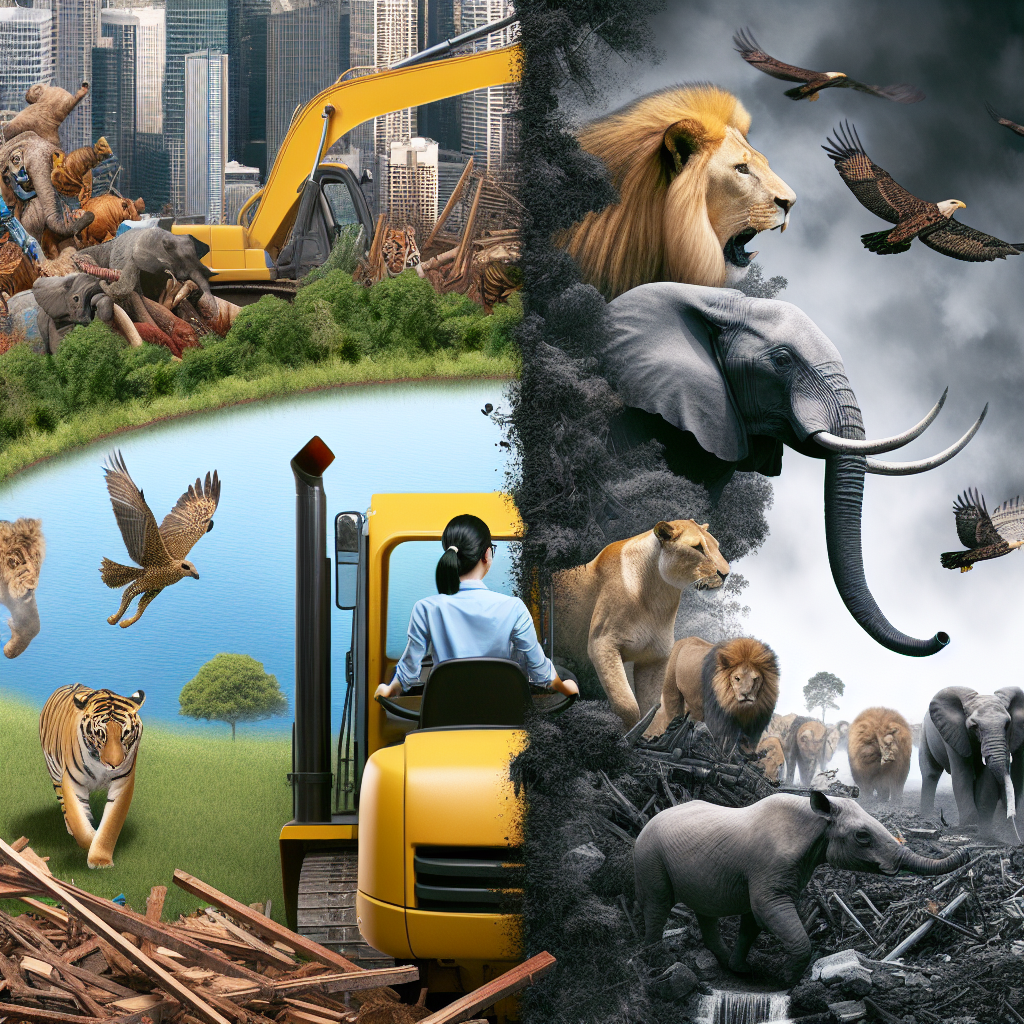
Supreme Court Judge Justice Surya Kant has cast a spotlight on the intensifying issue of human-wildlife conflict during a recent conference organized by the National Legal Services Authority (NALSA). Speaking at the event, Justice Kant attributed the surge in conflicts to rampant urban growth and industrialisation, leading to a convergence between human habitats and wildlife territories.
He underscored how this proximity has not only resulted in clashes but also placed marginalized communities at a disadvantage, lacking the means and awareness to claim legal rights or compensation. Addressing these gaps, a new NALSA scheme aims to provide legal aid and assistance, a move hailed as a 'game changer'.
The event saw participation from various judicial and state officials, highlighting the urgency for a holistic approach to policy reform. The introduction of resources like a 'Compendium on Human-Wildlife Conflict' and enhanced legal support schemes demonstrate a commitment to fostering coexistence and justice for all affected parties.


 Google News