

SA Pushes Growth With Reforms, Infrastructure Spend and Greylist Exit Plans
Masondo announced that government will allocate over R1 trillion towards public infrastructure projects over the next three years.
- Country:
- South Africa
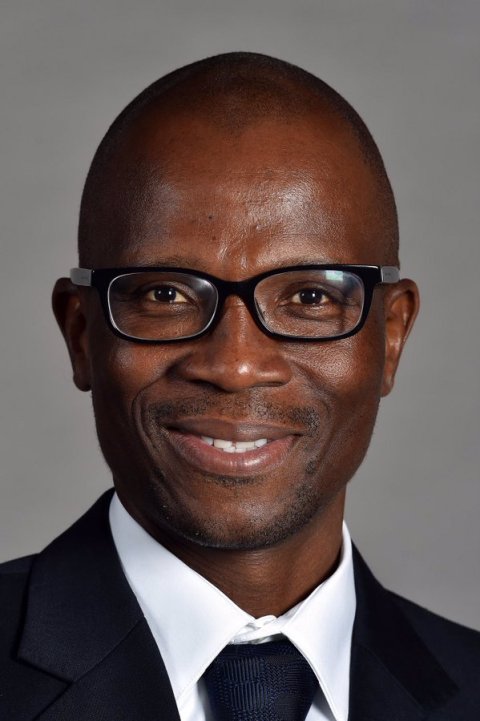
South Africa's economic growth has remained subdued over the past decade, but government is intensifying efforts to reverse this trend through a combination of fiscal reforms, private-sector partnerships, trade diversification, and targeted infrastructure investment. Addressing the Moneyweb Economy and Investing Summit in Johannesburg on Tuesday, Deputy Minister of Finance Dr David Masondo stressed that government is "serious about growing the economy" and restoring investor confidence.
R1 Trillion Infrastructure Spend to Drive Growth
Masondo announced that government will allocate over R1 trillion towards public infrastructure projects over the next three years. The spending will prioritise roads, energy, water, and sanitation — sectors identified as critical to lowering the cost of doing business and boosting competitiveness.
"However, this is not enough. To deliver sustainable infrastructure at the speed and scale that supports our development aspirations, we are mobilising greater private-sector participation in public infrastructure investments," he said.
Unlocking Private Sector Investment
To attract private funding and expertise, government has introduced the Credit Guarantee Vehicle (CGV), a mechanism to de-risk large infrastructure projects — beginning with transmission infrastructure — without resorting to sovereign guarantees.
Public-private partnerships (PPPs) remain central to the strategy. Revised PPP regulations now exempt projects below R2 billion from requiring National Treasury approval, thereby cutting red tape and accelerating delivery. Masondo said this simplification is aimed at easing private sector entry into infrastructure development, ultimately reducing costs and improving delivery timelines.
Structural Reforms Under Operation Vulindlela
Operation Vulindlela, government's flagship structural reform initiative, continues to tackle barriers to growth. The first phase focused on critical areas including energy, water, freight logistics, telecommunications, and the visa regime. These interventions aim to cut costs, attract skills, and improve productivity.
The second phase now extends reforms to strengthen local government performance, address spatial inequality through housing policies, and drive digital transformation. Masondo noted that these reforms are essential to building a globally competitive economy.
Fiscal Discipline and Debt Sustainability
South Africa's high debt-service costs remain a significant challenge, diverting funds from social spending and investment. Masondo said government is committed to debt sustainability, arguing that lowering borrowing costs and bond yields will attract investors and free up resources for productive use.
"As debt-service costs decline, savings may be redirected to fiscal buffers and productive infrastructure. Improvements in infrastructure reduce the cost of doing business and support long-term growth," he explained.
Inflation Targeting and Price Stability
On monetary policy, Masondo reaffirmed South Africa's commitment to the Inflation Targeting Regime to ensure both stability and low inflation. He emphasised that low inflation translates to lower interest rates, benefiting consumers and producers alike.
"High inflation erodes purchasing power, drives up wage demands, and reduces competitiveness. It leads to declining profitability, lower production, and rising unemployment. Stability in prices is critical for sustainable growth," he cautioned.
The Macroeconomic Standing Committee is currently drafting recommendations on refining South Africa's inflation target, to be tabled before the Minister of Finance and the SARB Governor.
Trade Diversification Amid Global Uncertainty
Global geopolitical tensions have complicated trade flows, making diversification of markets a priority. Masondo cited recent agreements, such as the trade deal with China on stone fruit exports, as examples of how South Africa is broadening its trade base beyond traditional partners.
Diversification, he said, reduces vulnerability to shocks and provides new opportunities for domestic producers to access fast-growing markets in Asia, Africa, and the Middle East.
Progress on FATF Greylisting
One of the most pressing financial stability issues has been South Africa's greylisting by the Financial Action Task Force (FATF) in February 2023, which raised concerns over the country's ability to combat money laundering and terror financing.
Masondo confirmed that South Africa has substantially completed all 22 action items of the FATF Action Plan. An on-site assessment by the FATF Africa Joint Group was concluded in July 2025, paving the way for a possible removal from the greylist at the FATF's October 2025 plenary session.
"If the outcome of the visit is positive, the FATF will delist South Africa from the greylist at its next plenary. This will mark a turning point in restoring credibility to our financial system," Masondo said.
Building Investor Confidence and Economic Resilience
The Deputy Minister concluded that South Africa's recovery depends on decisive implementation of reforms, fiscal discipline, and stronger partnerships between the public and private sectors.
"We are committed to reducing the cost of doing business, stabilising debt, investing in infrastructure, and diversifying trade. These measures will build resilience, attract investment, and accelerate inclusive growth," he said.
ALSO READ
-
Benin Secures €500 Million Financing to Expand Public Services and Create More Jobs
-
Latin America’s $65 Billion Transport Pipeline Puts Smarter Infrastructure in Focus
-
EIB and BNP Paribas Back Europe’s Energy Grids With €2.8 Billion Investment
-
CAREC Marks 25 Years With $60.2 Billion Invested to Grow Regional Trade
-
ADB’s New Malaysia Office to Drive ASEAN Power Links and Unlock Private Investment


 Google News