

Supreme Court Blocks National Guard Deployment Amid Controversy
The U.S. Supreme Court denied a request to deploy National Guard troops to Chicago, a move seen as part of Trump's contentious domestic military expansion strategy. This decision follows legal challenges and differing views on protests in Democratic-led areas against Trump's policies. Critics argue this reflects an abuse of power.
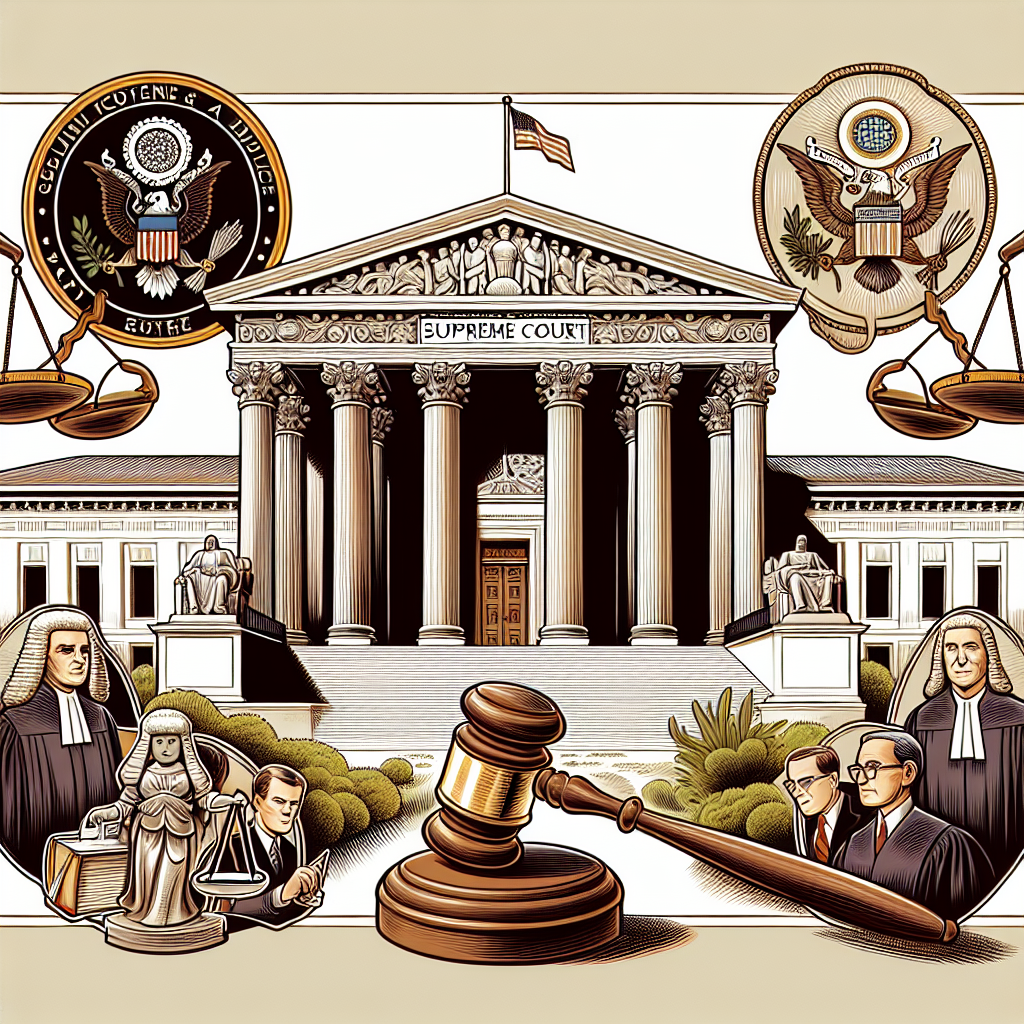
On Tuesday, the U.S. Supreme Court thwarted President Donald Trump's bid to deploy National Guard troops in the Chicago area, marking a significant check on his use of federal forces for domestic purposes. Concerns had mounted over what critics described as a punitive measure against Democratic strongholds.
The decision came amid a protracted legal battle initiated by Illinois state representatives and local officials. A district judge had previously halted the deployment order, deeming it unwarranted and grounded on exaggerated claims of violence. Skepticism notably surrounded the narrative of widespread unrest as local officials depicted more restrained, peaceful protests.
The Supreme Court's ruling reflects ongoing tension over the scope of presidential authority regarding the National Guard's role in quelling civil disorder. The administration's appeal, suggesting an untenable threat to federal assets, faced strong opposition, with officials asserting that state and local mechanisms sufficiently managed any disturbances.
ALSO READ
-
Lee Jae Myung's Diplomatic Milestones: Balancing Amidst Global Tensions
-
Diplomatic Moves: Takaichi's UN Meeting with Trump
-
Trade War Chessboard: Agriculture, Energy, and Rare Earths in Focus
-
High-Stakes Diplomatic Dance: Trump and Xi's Crucial Summit
-
Trump's Battle with the Airwaves: A Broadcast Controversy


 Google News