

Indonesia's Historic Overhaul: New Penal Code Era Begins
Indonesia has begun enforcing a major legal transition by adopting a new penal code, marking the end of an 80-year-old Dutch-era law. Critics argue it curtails freedoms, while advocates say it modernizes justice. The code retains strict provisions on morality and blasphemy, sparking both support and opposition.
- Country:
- Indonesia
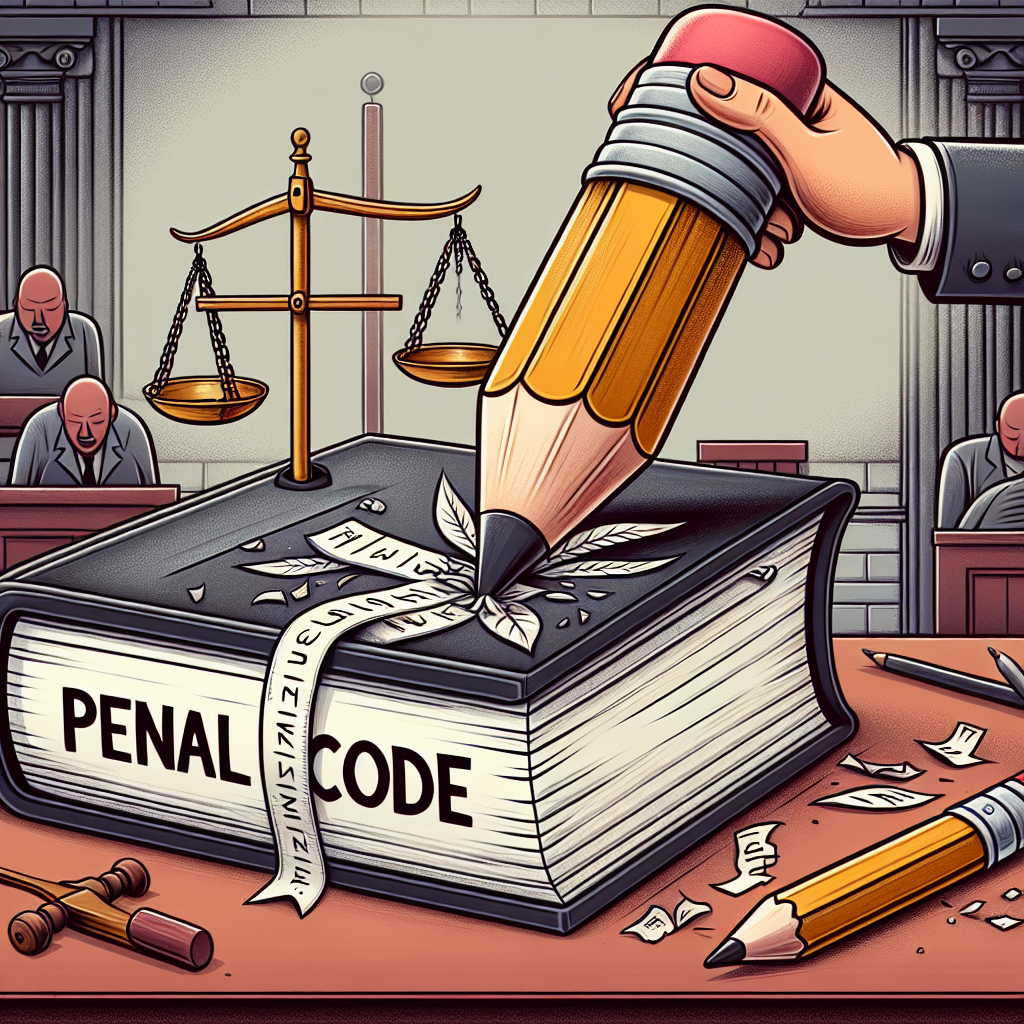
Indonesia has launched a significant legal shift with the implementation of its new penal code, replacing a Dutch-era law. This marks the end of more than 80 years under an outdated framework as the Southeast Asian nation seeks to reconcile local norms with legal modernization.
Criticism and support have met the new regulations, which include penalties for sex outside marriage and restoring bans on insulting state leaders. Human Rights Watch warns about potential privacy invasions, while government officials defend the overhaul as a modern justice reform focused on rehabilitation.
Despite expanding non-custodial sentences, the code retains strict measures such as the death penalty, highlighting Indonesia’s balancing act between traditional norms and progressive legal shifts. Critics remain vocal about its impact on civil liberties, forecasting challenges in freedom of expression.


 Google News