

Iran's Turmoil: Protests, Inflation, and International Tensions
Over 16 people have died in Iran during protests sparked by soaring inflation. The unrest, larger than any in three years, has drawn international attention and threats from the U.S. Iranian authorities have responded with arrests and warnings, highlighting Iran's complex socio-economic challenges.
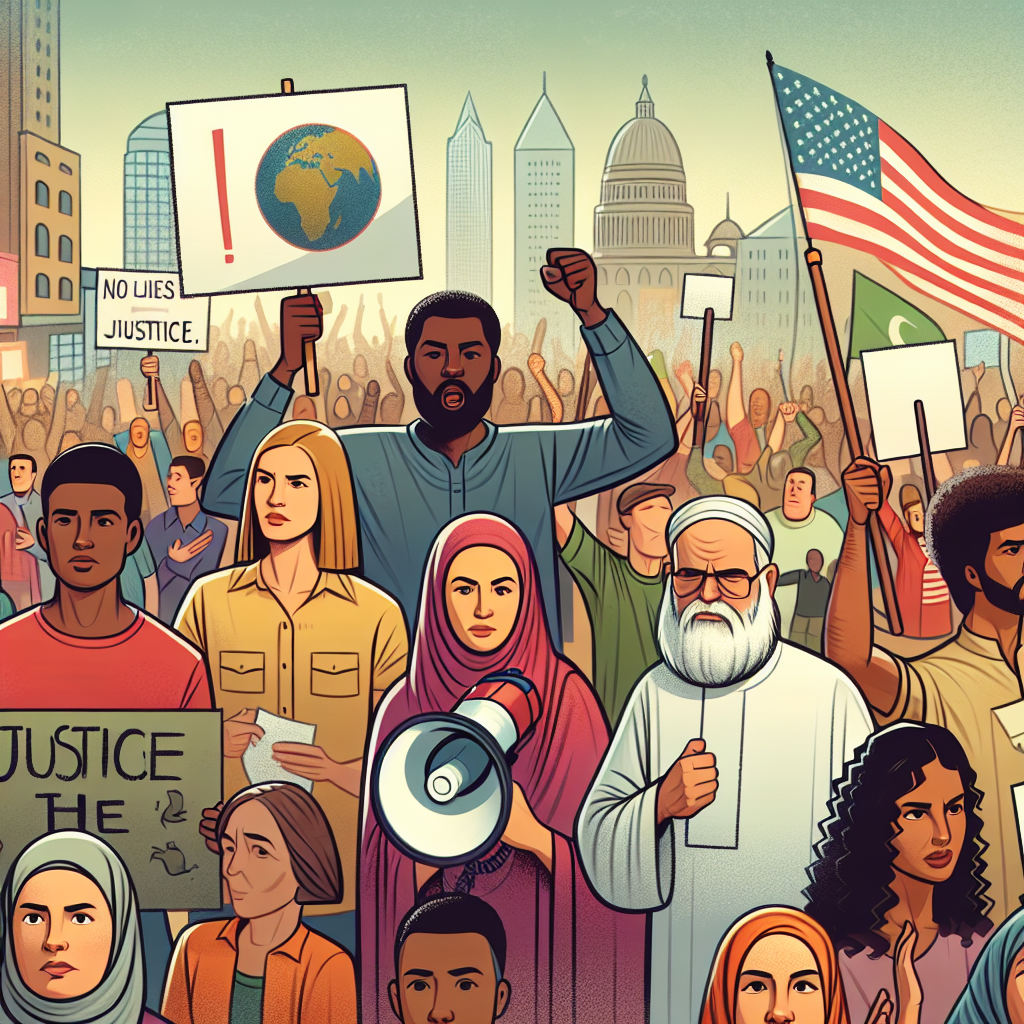
At least 16 people have tragically died following a week of unrest in Iran, according to rights groups, as protests triggered by soaring inflation continue to escalate. The demonstrations, the largest in three years, have led to violent clashes between protesters and security forces. Although state media and rights groups reported varying figures for deaths and arrests, the numbers remain unverified by independent sources like Reuters.
The unrest comes during a period of significant vulnerability for Iran, with its economy in disarray and mounting international pressures. U.S. President Donald Trump has vowed to support the protesters against violence, fueling tensions further. Additionally, Supreme Leader Ayatollah Ali Khamenei affirmed Iran's resilience, promising not to yield to foreign adversaries.
The protests initially began among bazaar traders and have since spread to students and other cities. Iran's inflation and a depreciated rial have compounded the dissatisfaction, aggravated by international sanctions and poor provision of essential services. Authorities have adopted a mixed strategy of dialogue and crackdowns, signaling both an acknowledgment of grievances and a pledge for firm responses to rioters.
ALSO READ
-
ADB Approves $1.5 Billion to Protect Philippines From Conflict-Driven Price Hikes
-
Malawi’s Fragile Recovery Faces Jobs Test; Debt and State Firms Strain Economy
-
Poverty in the Line of Fire: UN Experts Demand Iran End Border Courier Killings
-
Asia’s Growth Slows to 5% as Energy Shocks and El Niño Put Regional Recovery at Risk
-
Iran’s Civilians Trapped Between State Repression and Deadly Strikes, UN Warns


 Google News