

UN Experts Demand Answers on 40 Uyghurs Forcibly Returned by Thailand
“The disappearances reflect a broader pattern of transnational repression targeting ethnic and religious minorities and individuals perceived to be critical of the Chinese Government,” the experts said.
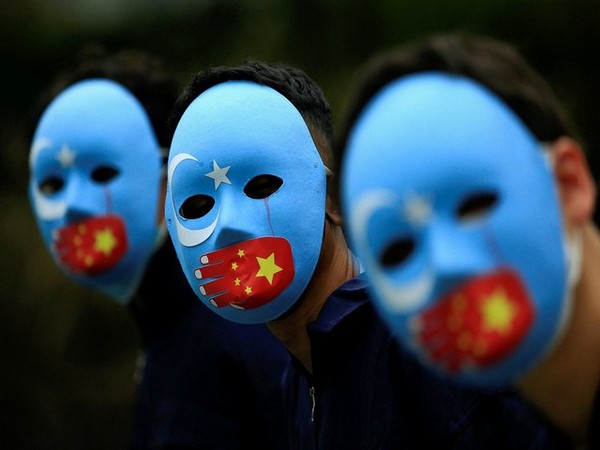
One year after Thailand forcibly returned 40 Uyghur Muslim men to China, United Nations human rights experts say their fate, health and whereabouts remain unknown — raising urgent concerns of enforced disappearance and serious human rights violations.
In a statement issued today, the experts described the case as emblematic of a wider pattern of transnational repression targeting ethnic and religious minorities and those perceived to be critical of the Chinese Government.
"The disappearances reflect a broader pattern of transnational repression targeting ethnic and religious minorities and individuals perceived to be critical of the Chinese Government," the experts said.
Deportations Despite Global Warnings
On 27 February 2025, Thai authorities deported the 40 men to China, reportedly under intense pressure from Beijing. The experts said Thailand failed to apply safeguards required under the customary international law principle of non-refoulement, which prohibits returning individuals to a country where they face a real risk of persecution, torture or other grave violations.
The deportations exposed the men to potential enforced disappearance, torture and arbitrary deprivation of life.
Prior to their return, the men had been held incommunicado for more than a decade at Bangkok's Suan Phlu Immigration Detention Centre. According to the experts, they were detained in substandard conditions and denied contact with their families, legal representatives or the outside world.
Families Left in Agonising Uncertainty
"Despite China's response, the lack of reliable, comprehensive and independently verified information surrounding these men's fate and whereabouts is profoundly alarming," the experts said.
Families have reportedly received no confirmation of where the men are being held, no access to communication, and no assurances that they are alive.
"We are dismayed that the forced returns from Thailand were carried out despite urgent and repeated appeals from the United Nations, international human rights mechanisms, Thailand's National Human Rights Commission, and civil society organisations," the experts added.
Climate of Fear and Intimidation
The UN experts also expressed alarm at China's continued denial of confidential and timely access to legal counsel for detainees, often justified on broad "national security" grounds. In many cases, detainees have reportedly been refused legal visits for months or even years.
Families are said to receive inconsistent or misleading information, making independent verification impossible.
According to credible reports and victim testimonies, Chinese authorities systematically subject relatives and wider communities to surveillance, monitoring their movements, communications and social interactions.
"This pervasive oversight creates a climate of fear in which many families are too afraid to search for their loved ones, seek information, or speak publicly about their cases due to fear of reprisals," the experts said.
"Denying legal access while intimidating families into silence creates an environment where serious human rights violations can unfold, unchecked," they warned. "Justice cannot be pursued in silence."
Calls for Immediate Action
The experts urged China to guarantee the safety and wellbeing of the 40 Uyghur returnees by granting independent international monitors unhindered and private access to them, and by ensuring that their families are not subjected to intimidation or reprisals.
They also called on Thailand and other States to end the forced return of Uyghurs to China and to strengthen safeguards against refoulement.
Finally, the experts appealed to the international community to ensure accountability for acts of transnational repression and to reinforce protections for vulnerable minorities at risk of cross-border persecution.
ALSO READ
-
ILO Report Reveals How to Bring Social Security Within Reach of Informal Workers
-
WTO Sets Up Panel on EU Carbon Border Rules as Russia Challenges Restrictions
-
WHO Brings Global Experts Together to Strengthen Herbal Medicine Quality and Safety
-
Human Cost of Faster Work: Chinese Employees Weigh AI’s Promise Against Pay Fears
-
Thailand’s Road to High-Income Status Runs Through Bangkok and Smaller Cities


 Google News