

A New Dawn: Iran, US, and Israel Ceasefire Agreement
The United States, Israel, and Iran have agreed to a two-week ceasefire mediated by Pakistan. Talks between the U.S. and Iran will focus on bridging significant gaps in their proposals for a long-term settlement, particularly regarding uranium enrichment and missile capabilities.
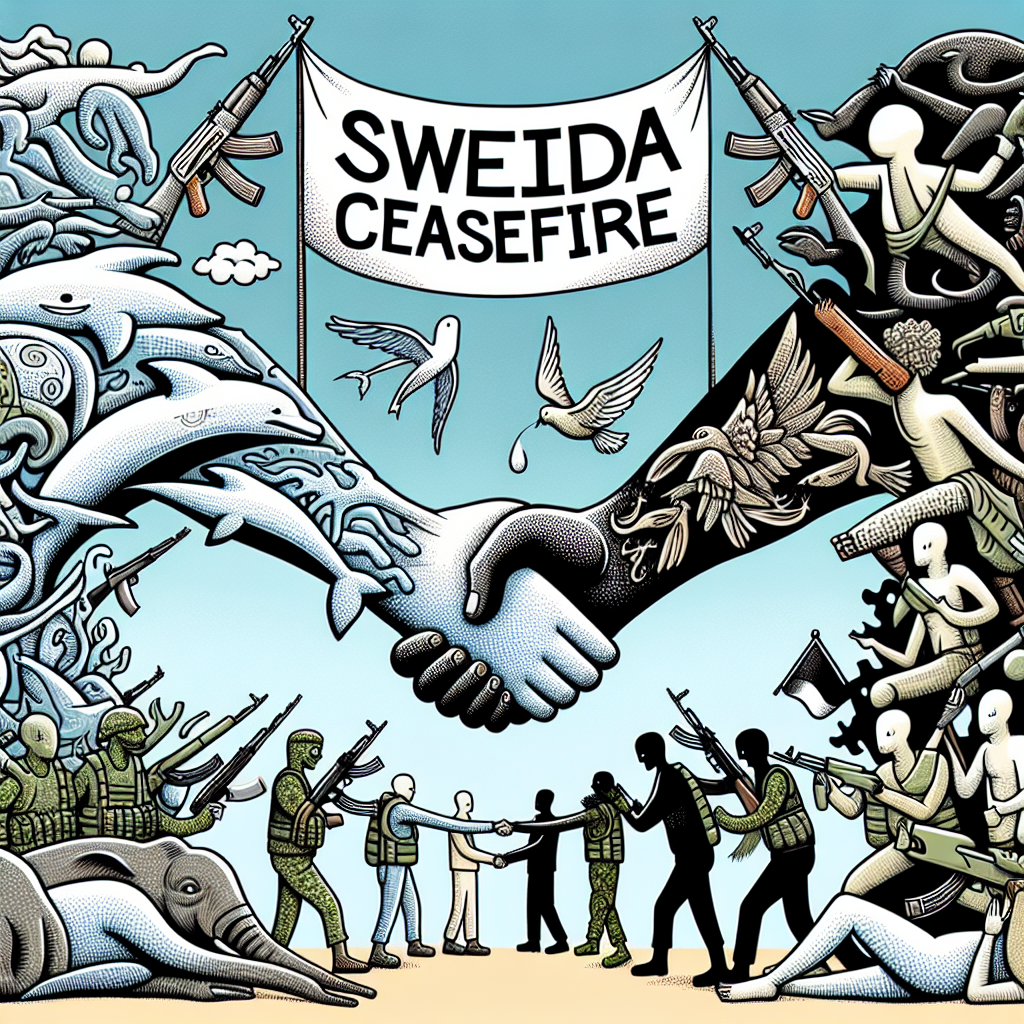
The United States, Israel, and Iran have reached a crucial two-week ceasefire, facilitated by Pakistani mediation. U.S. and Iranian representatives are set to meet on Friday to discuss the path forward for a long-term agreement.
While the ceasefire stands as a significant diplomatic development, fundamental differences remain. Iran's 10-point proposal, deemed a "workable basis" by U.S. President Donald Trump, conflicts with Washington's earlier 15-point plan, especially on issues like uranium enrichment and missile capabilities.
In response, Pakistani Prime Minister Shehbaz Sharif announced the ceasefire via social media, emphasizing peace across all involved regions, including Lebanon, where Israeli strikes were reported. However, challenges remain as Iran demands certain concessions from the U.S. that may not align with Washington's interests.
ALSO READ
-
Poverty in the Line of Fire: UN Experts Demand Iran End Border Courier Killings
-
Iran’s Civilians Trapped Between State Repression and Deadly Strikes, UN Warns
-
Lee Jae Myung's Diplomatic Milestones: Balancing Amidst Global Tensions
-
Hackers Compromise US-Bound Vessels: Security Breach in the Gulf of Mexico
-
Tanker Trouble: Togo Vessel's Fiery Halt in Hormuz


 Google News