

From Boom to Decline: How Nations Are Shaping the Future Through Population Policy
The World Population Policies report by UN DESA highlights the contrasting demographic challenges of high fertility in developing regions and population decline in developed ones, urging adaptive, rights-based policies. It emphasizes global efforts to balance fertility, ageing, migration, and gender equality within sustainable development goals.
 CoE-EDP, VisionRI
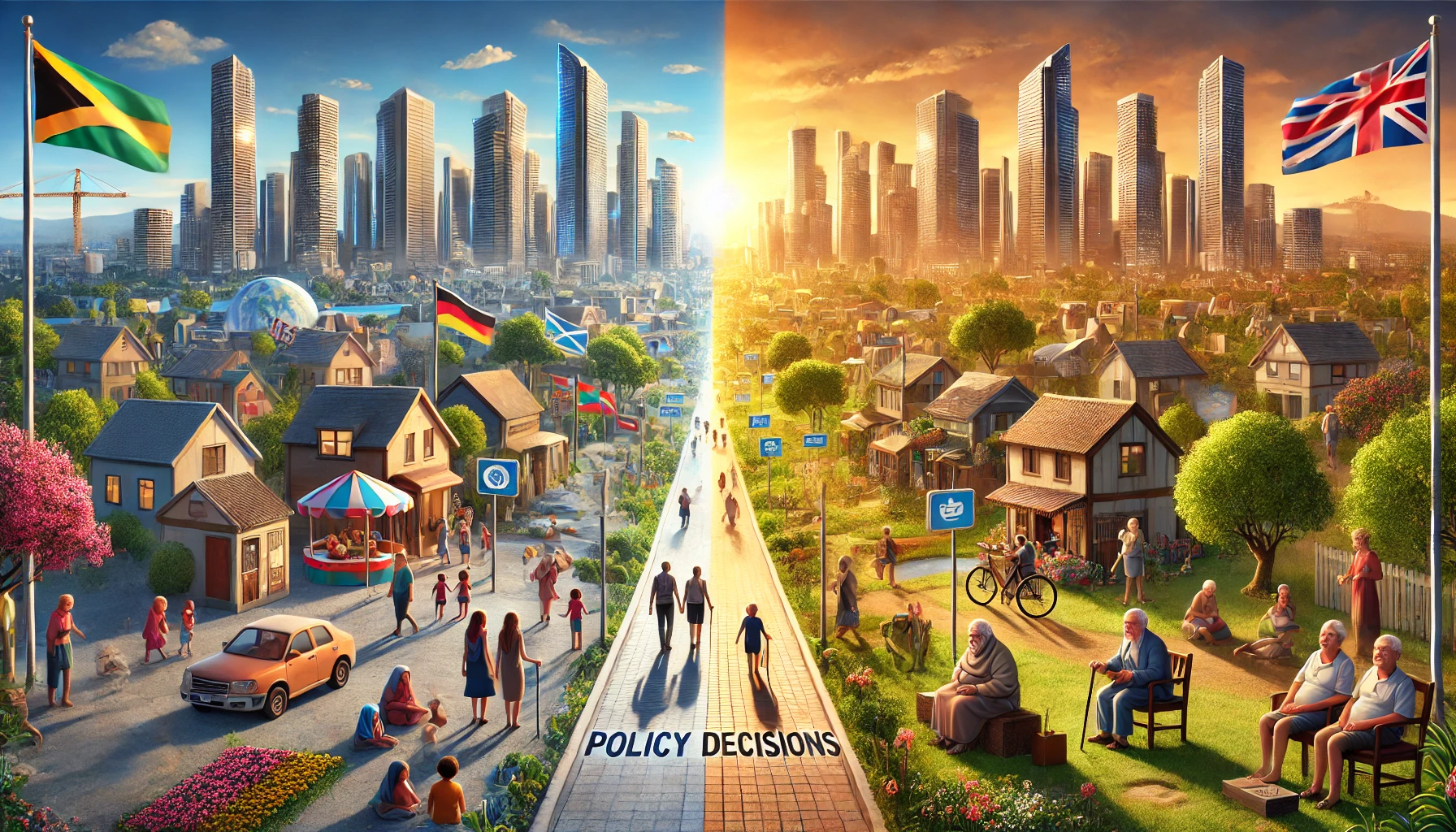
A report published by the United Nations Department of Economic and Social Affairs (UN DESA) in collaboration with its Population Division and supported by key institutions like the United Nations Population Fund (UNFPA), national population councils, and regional demographic observatories, presents a sweeping analysis of the demographic shifts shaping the 21st century. Released in the wake of the global population surpassing eight billion in November 2022, the report captures the starkly divergent realities facing different regions—some grappling with booming growth, others with declining numbers and an ageing citizenry. Drawing on data from 197 countries, it reveals how national policies are evolving in response to these unprecedented demographic changes.
A Tale of Two Trends: High Fertility vs. Population Decline
One of the report's central themes is the global divergence in population trends. Sub-Saharan Africa continues to experience rapid population growth, driven by high fertility rates and improvements in child survival. In contrast, countries in Europe, East Asia, and parts of the Americas are contending with shrinking or stagnating populations, largely due to fertility rates falling well below the replacement level and increasing life expectancy. These shifts have profound implications for economic development, social protection systems, and the labor market. Governments are responding with sharply different strategies. Over two-thirds of low-fertility countries have introduced policies aimed at boosting birth rates. These include financial incentives, tax breaks, extended parental leave, and subsidized childcare, designed to make childbearing more attractive and manageable. Countries such as South Korea, Japan, and Hungary have implemented ambitious pro-natalist programs, though long-term effectiveness remains uncertain.
Policy Priorities: From Contraceptive Access to Family Support
In high-fertility regions, especially across Africa and South Asia, the focus remains on reducing fertility through expanded access to reproductive health services and improved female education. These interventions are seen as key not just for slowing population growth, but also for empowering women and advancing sustainable development. Governments are increasingly aligning demographic policy with social policies that promote gender equality, better health outcomes, and educational attainment. In many countries, the integration of family planning into broader development strategies has yielded positive outcomes. Yet, significant gaps remain, particularly in rural and low-income areas where women continue to face barriers to accessing modern contraceptives, maternal care, and sexual health information. The report emphasizes that addressing these challenges is essential to achieving equitable and sustainable demographic transitions.
Ageing Societies and the Future of Work
Population ageing is emerging as one of the most pressing demographic challenges in developed and emerging economies alike. The proportion of older persons is rising rapidly, especially in countries such as Italy, Germany, China, and Japan. This demographic shift brings a host of economic and social implications: shrinking labor forces, increased demand for healthcare services, and mounting pressure on pension systems. In response, many governments are taking proactive steps to encourage active and healthy ageing. Strategies include raising the statutory retirement age, incentivizing older workers to remain in the labor force, promoting lifelong learning, and fostering age-inclusive workplaces. Some countries are also investing in long-term care systems and community support networks to ensure older adults can live independently and with dignity. The report highlights these policy responses as critical to maintaining intergenerational equity and economic resilience.
Migration Management: Balancing Flows and Integrating Communities
International migration continues to be a defining feature of today's demographic landscape, affecting virtually every region. With more than 280 million international migrants worldwide, many countries are developing more sophisticated approaches to migration management. These include policies to attract skilled migrants, facilitate student and labor mobility, and regulate asylum and refugee flows. Countries facing labor shortages and population decline are increasingly viewing migration as a partial solution to demographic and economic imbalances. At the same time, governments are working to address the social and political challenges of integration, aiming to foster inclusive communities while countering xenophobia and discrimination. The report notes a growing consensus on the need to ensure safe, orderly, and regular migration in line with international frameworks such as the Global Compact for Migration.
The Road Ahead: Rights-Based Approaches and Global Cooperation
Throughout the report, a recurring message is the importance of grounding population policies in human rights principles. Governments are increasingly recognizing that respecting individual autonomy, particularly around reproductive choices, is not only ethically essential but also key to long-term development success. Policies that empower individuals, especially women and girls, through education, health, and economic opportunities are shown to produce the most sustainable demographic outcomes. The report also stresses the need for stronger data systems, greater international cooperation, and cross-sectoral policy integration. As demographic challenges become more complex, from climate-induced displacement to the economic ramifications of population ageing, adaptive, forward-looking policy frameworks will be essential. Ultimately, the report presents a compelling call for countries to treat demographic trends not as obstacles but as opportunities for shaping inclusive, equitable, and sustainable futures.
- FIRST PUBLISHED IN:
- Devdiscourse


 Google News